Havanese
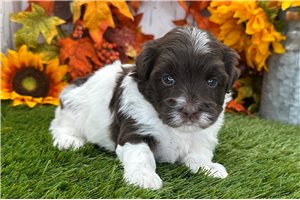
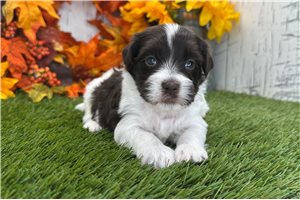
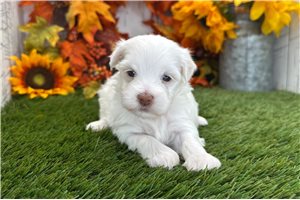
Havanese Puppies for Sale
Also called Bichon havanais
A Havanese wants to be wherever you are, and it will trail you from the kitchen to the couch to prove it. People fall for the long, silky coat, the plumed tail curled over the back and a springy, bouncing walk that looks like pure delight.
A Havanese wants to be wherever you are, and it will trail you from the kitchen to the couch to prove it. People fall for the long, silky coat, the plumed tail...A Havanese wants to be wherever you are, and it will trail you from the kitchen to the couch to prove it. People fall for the long, silky coat, the plumed tail curled over the back and a springy, bouncing walk that looks like pure delight.
Puppy first, every step of the way.
Available Havanese Puppies
 From our Havanese breeders

Health Guarantee
The health of your new puppy is our primary concern. Every puppy comes with a health guarantee for a happy, healthy start to life.
Learn About Our Health Guarantee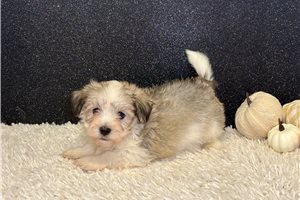
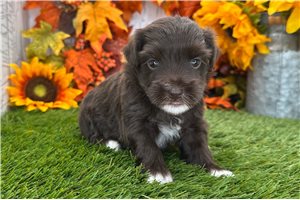
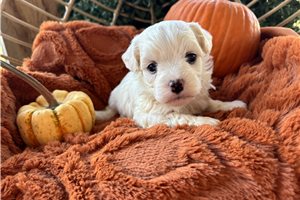
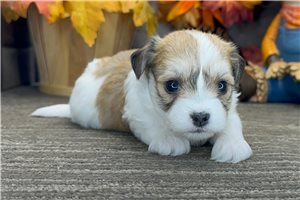
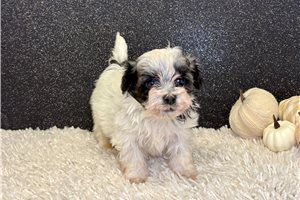

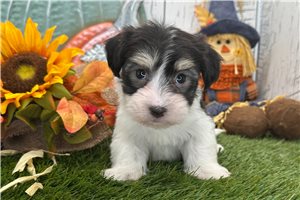
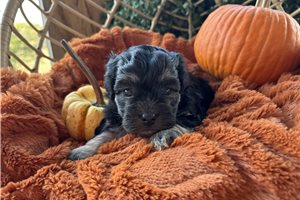
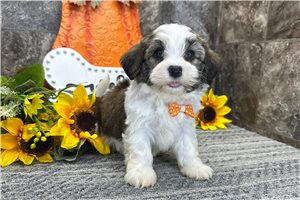
Jackson is such a joy. I appreciate how professional the transaction was. Thank you all for everything
Happier Puppies.

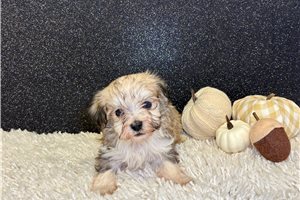
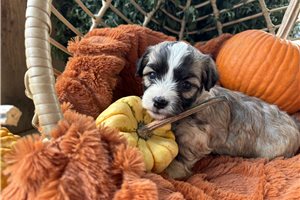
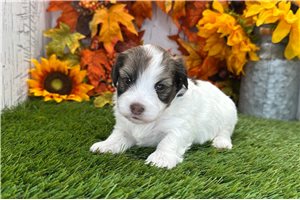
Pawrade helps coordinate safe travel from breeders nationwide, after a licensed-vet exam and with a health certificate for every state line.
Browse by Lifestyle
Find the breed that fits the life you're living.


Discover what real customers have to say about Pawrade! Check out our glowing testimonials.
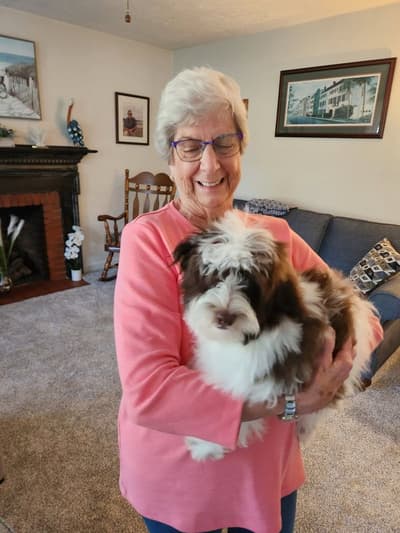 Jackson · Havanese
“Jackson is such a joy. I appreciate how professional the transaction was. Thank you all for everything”
 Elizabeth · Havanese
“Great instructions, support and process! Bravo!”
 Addison · Havanese
“The process of adopting Addie was worry free. It was very simple as well. As far as we can tell she is happy and very healthy.”
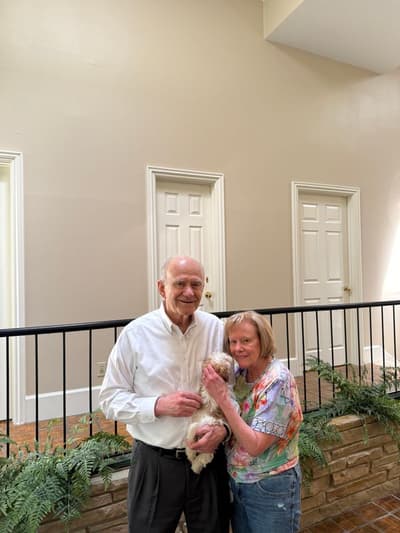 Francesca · Havanese
“Very professional and informative. Our puppy arrived in perfect health, rested, active (oh, yeah, active!) and seemed excited to meat us.”
A real company, on the record, since 2003.
Puppy scams cost U.S. families millions every year. Here's how you know Pawrade isn't one: we're a named, audited business with a public track record you can check anywhere.
Pet Media, Inc. — Inc. audits three years of revenue to rank the list. Scam sites don't make it.
From verified buyers. We can reply, we can't delete.
*NH, NY, RI, SC and TN excluded
1 month of MetLife pet insurance included with every puppy.
A Safer, Happier Way to Find Your Puppy
We take the guesswork out of finding a reputable breeder so you can focus on what matters most — welcoming a healthy, happy puppy into your family.
No Puppy Mill
Pledge
We have zero tolerance toward puppy mills and partner only with honest, reputable breeders who raise puppies with love and compassion.
Learn More
Health
Guarantee
Every puppy is backed by our comprehensive health guarantee because a happy, healthy puppy leads to a lifetime of tail wags.
Learn More
Fight Puppy
Scams
Browse with confidence knowing every breeder is screened, every payment is secured through PetPay and every transaction is manually reviewed.
Learn MoreHavanese at a glance
Parents' weight
8–14 lb fathers 7–15 lb mothers Pawrade data: parents of puppies placed through Pawrade (breeder-reported) 936 records, 2020-07 to 2026-09
Havanese Characteristics
Havanese temperament
Personality and daily life
The Havanese has been a companion dog from the start, first in the homes of Cuba's upper classes. That shows in the dog you bring home. It is sweet-natured and playful, and it would rather be in the same room as you than anywhere else.
Havanese are good with children. An adult should still keep an eye on play with young kids, and most Havanese get along with other dogs and pets as well. With strangers, a Havanese may bark at the first hello and then warm up quickly.
Exercise needs are low. Short walks and play keep most adults content, and a Havanese is happy to spend much of the day indoors with you. Puppies are livelier, and most settle as they grow up. Don't mistake the size for frailty, though: this is a sturdy little athlete that jumps well and takes to agility, obedience, rally and trick dog work.
What a Havanese does not enjoy is long hours alone. Some develop separation anxiety, so the breed does best where someone is home for much of the day. It will bark to tell you a stranger is at the door, but it is not a nuisance barker and usually has a reason.
Is a Havanese right for you?
Who a Havanese suits best
- you want a small, sturdy dog that keeps you company all day
- you live in an apartment or a small home
- you'd rather play and take short walks than go for long runs
- you like the idea of teaching tricks or trying a dog sport together
Among Pawrade Havanese buyers, most have a yard, nearly a fifth have children at home and about a third already have a dog.
- someone at home for much of the day
- an owner who enjoys brushing, since the coat keeps growing even when it is clipped short
- children who play gently, with an adult close by
- a household that doesn't mind a bark or two when someone comes to the door
Havanese breeders & placements
Havanese on Pawrade
Pawrade data: parents of puppies placed through Pawrade (breeder-reported). Placements and reviews come from Pawrade's records.
“We love our new Havanese puppies! Pawrade made it all very easy!”
Glynis T. · Bellevue, WA · 2026-09-13 Verified“Very informative and easy to work with. Our puppy was exactly as she was advertised and was delivered quickly and safely.”
Jen S. · Yerington, NV · 2026-09-12 Verified“I was very pleased with my experience with Pawrade. I found my puppy, purchased, and the next thing I knew he was home! I was in constant contact with a representative from Pawrade, informing me of my dog’s status. My puppy was happily and safely transported to my house. A great experience! So thankful to Pawrade!”
Betsy · Branford, CT · 2026-08-02 VerifiedHavanese care & grooming
Care and training
The routine
| Coat and grooming careWeekly | A full coat needs brushing several times a week, or even daily, on a slightly damp coat rather than a dry one. Many owners keep it clipped short instead. |
|---|---|
| Bath timeWeekly | A full coat also needs a bath every 1–2 weeks. |
| Teeth and gumsDaily | Brush the teeth daily. |
Coat and shedding
The coat is long and silky, sheds very little and never stops growing. The puppy coat is shorter and softer, and the full adult coat takes 2–4 years to grow in. A plain elastic band keeps long hair out of the eyes.
Training
Havanese are bright and easy to train. Most will work happily for a small treat, and praise matters to them just as much. This is a sensitive breed, so skip harsh corrections; they backfire. Use a crate or pen whenever you can't watch the puppy, both for house-training and to teach it that short spells alone are fine.
Staying ahead of things
- Joints and movement · Know when to call: Have any limping looked at by your vet.
- Teeth and gums · Routine vet checks: At teething time, ask your vet to check for puppy teeth that stay in after the adult teeth arrive, because they should come out promptly.
- Body weight · Keep them lean: Keep your Havanese lean.
- Heart checks · Routine vet checks: Once your Havanese reaches middle age, have the heart listened to at every yearly check-up.
Havanese puppy milestones
Growing up: your Havanese's first years
Before your puppy comes home
Your puppy is still with its breeder, and most Havanese litters on Pawrade are already meeting small dogs and children. Many also hear everyday household noise, such as the vacuum cleaner, before they go home.
- Set up a crate or puppy pen in a room where the family spends time, or in your bedroom at night.
- Have a soft brush and a dog toothbrush ready, because brushing the coat and the teeth starts in the first week.
- Plan the first weeks so that someone is home for most of the day.
Why it matters: A Havanese wants to be wherever you are, and long hours alone can lead to separation anxiety in this breed.
Havanese note: Havanese were bred as companions from the start, so expect a puppy that follows you from room to room.
Show the later milestones Hide the later milestones
The first week home
Everything is new, and your puppy is learning where it sleeps, eats and goes potty. A puppy can usually hold its bladder for about as many hours as its age in months, so trips outside come often.
- Take your puppy out first thing in the morning, after every nap and last thing at night.
- Keep it in the crate or pen whenever you can't watch it, and stick to a regular schedule.
- Give the coat and the teeth a short, gentle brush each day, so grooming feels normal from the start.
Why it matters: Frequent trips outside give your puppy lots of chances to get it right, and praise or a small treat for each success suits this sensitive breed.
Havanese note: Breeders on Pawrade report whether they have started crate training, so ask how far your puppy has got.
Weeks 2 to 4
Puppies are most open to new experiences in their first 3 months, so these weeks help shape the adult your Havanese becomes.
- Introduce gentle new people, friendly pets, everyday sounds and short car rides, a little at a time.
- Sign up for a puppy class that uses praise and treats, since classes can start at 7–8 weeks with healthy classmates and clean floors, as your vet advises.
- Until the vaccine series is done, skip dog parks and other spots where unknown dogs gather.
Why it matters: Good early experiences help a Havanese grow into a confident, outgoing adult.
Havanese note: Most Havanese get along well with other dogs and pets, so calm meetings with a friendly, healthy dog make a good start.
3 to 4 months
Most puppies finish their vaccine series at about 16 weeks, as your vet advises. Baby teeth start to fall out from about 12 weeks, as the adult teeth push through.
- Once your vet says the vaccines are complete, take your puppy to new places, surfaces and sounds.
- As the adult teeth come in, look for baby teeth that stay put and point them out to your vet.
- Keep training sessions short and cheerful, with small treats and plenty of praise.
Why it matters: Puppy teeth that stay in are common in Havanese, and the advice is to have them taken out promptly.
Havanese note: The puppy coat is shorter and softer than the adult coat, and it keeps changing as your Havanese grows.
4 to 6 months
Teething is in full swing, and chewing is strongest until the adult teeth are in at about 6 months.
- Keep only a few safe chew toys out at a time, rotate them, and watch your puppy while it chews.
- Have any limp checked by your vet, because a hip problem of young toy dogs, Legg-Calvé-Perthes disease, can start from about 4 months.
Why it matters: Chewing is how puppies ease sore gums, so a safe outlet protects your things and keeps your puppy out of trouble.
Havanese note: Many liver shunts are found on routine bloodwork at 4–6 months, so keep up your puppy's vet visits and mention slow growth.
6 to 12 months
Adolescence usually begins between 6 and 8 months. Teenage dogs test boundaries and can seem to forget their training, which is normal.
- Keep training consistent and patient, and teach new tricks to give that busy mind something to do.
- Agree an exercise plan with your vet, and save hard exercise such as agility jumps until your Havanese has finished growing.
- Talk with your vet about spaying or neutering, a decision that depends on things like your dog's sex and expected size.
- Around the first birthday, ask your vet to check the kneecaps.
Why it matters: The teenage phase passes, and patient, steady training now shapes the adult you want.
Havanese note: The coat keeps growing, so this is the time to choose between a full coat with frequent brushing and a shorter clip.
1 to 2 years
Most dogs are fully grown and settled into adulthood at around 2 years. Your Havanese is now the sweet, playful companion it was bred to be.
- Book a wellness exam with your vet at least once a year, the normal routine for an adult dog.
- Keep up daily tooth brushing and a lean weight, two habits that matter for life.
Why it matters: Some eye changes show up only as a dog gets older, which is why grown Havanese have their eyes checked every year.
Havanese note: Many grown Havanese enjoy agility, rally, obedience or trick work, and some visit hospitals and nursing homes as therapy dogs.
Adult and senior care continues, stage by stage, on the Havanese health page.
Havanese colors & size
Appearance
Show Hide
The Havanese is a sturdy, moderately boned toy dog, never coarse or fragile, and slightly longer than it is tall. The plumed tail is set high and carried arched over the back, and the gait is springy and elastic. The eyes are large, dark brown and almond-shaped; chocolate dogs may have lighter eyes.
The coat is long, soft and wavy, and it may be brushed out or corded. The standard calls for a natural look, with only the feet and hygiene areas trimmed. A short, smooth coat or a coarse, wiry one is outside the AKC breed standard. In adults the topcoat is very long (12–18 cm), and the full adult coat can take 2 to 4 years to develop.
The Havanese comes in a very wide range of colors and patterns, and the AKC and UKC standards accept all colors and markings as equal. Many colors lighten or darken as the dog matures, so a puppy's color may change.
Colors listed by Pawrade breeders
Keeping your Havanese healthy
Havanese are known to be prone to a handful of conditions, and your vet can help you stay ahead of them.
One condition comes down to watching your puppy grow. If your puppy is small for its age or slow to grow, ask your vet for a bile acids blood test. It checks for a liver shunt, a blood vessel present from birth that sends blood around the liver instead of through it.
Havanese history
History and fun facts
Show Hide
The Havanese descends from Bichon-type dogs of the western Mediterranean that reached Cuba by ship, where the breed grew up as the Bichon of Cuba.
Along the way, Bichon types were bred with Poodle-type dogs, and possibly the Maltese, although the exact ancestry is uncertain.
It became the companion of Cuba's upper classes, and today it is the national dog of Cuba and the only dog breed native to the island.
Havanese also performed as circus trick dogs in Europe, and the writers Charles Dickens and Ernest Hemingway owned the breed.
After the 1959 revolution the old Cuban bloodlines largely disappeared.
A few dogs taken out by emigrating families founded the US population.
The breed has also been called the Havana Silk Dog and the Bichon Havanais.
Since 2007, a separate line bred from Havanese stock has used the Havana Silk Dog name, with its own club and registry.
The Havanese Club of America, founded in 1979, is the breed's AKC parent club.
At Westminster in 2019, a Havanese named Bono became the first of his breed to win the Toy Group, and he went on to Reserve Best in Show.
He won the group again in 2020.
Havanese Veterinary Health Report
Your puppy's Veterinary Health Report
Before your Havanese puppy comes home, the breeder's licensed vet gives it a full hands-on exam to PetPay's exam standards, and the results go into its Veterinary Health Report.
The exam, a health certificate and a stool test for parasites all happen 3 to 5 days before your puppy leaves.
It is a check of your own puppy, not paperwork about its family, so you start with a clear record of how your puppy is doing.
If the vet finds something that could put your puppy at risk during travel, your puppy stays with the breeder until it's resolved.
Problems that can be treated before travel are treated by the breeder's licensed vet first.
Anything else the vet notes is shared with you.
A hard copy of the report travels with your puppy for your records, and a digital copy is in your PetPay account.
Puppies grow and change quickly, and their immune systems are still developing, so no exam can find everything. The Veterinary Health Report is a strong early look at your puppy and a written starting point that your own vet builds on.
- Heart
- Breathing
- Temperature, pulse and breathing rate
- Eyes
- Ears and hearing
- Mouth and bite
- Skin and coat
- Kneecaps
- Hips
- Hernias
- Soft spot on the skull
- Body condition and weight
- Reproductive organs
- History of vomiting or diarrhea
- Stool test for parasites
- Past surgery and notes
What the vet looks for in a Havanese
The vet listens to the heart with a stethoscope for a murmur present from birth.
A first heart check is best done at 8 to 10 weeks, before a puppy leaves the breeder.
The vet checks both eyes, including for misplaced eyelashes (distichiasis).
Leftover tissue strands in the eye (persistent pupillary membranes), a cloudy lens (cataract) and eyelid defects also occur in Havanese, so keep up eye checks as your dog grows.
The vet checks the bite and the jaw.
Retained puppy teeth are common in small breeds, so your own vet keeps an eye on the teeth as the adult ones come in.
The vet feels the knees for a kneecap that slips out of its groove (patellar luxation).
The vet weighs the puppy and checks that it is a healthy size for its age.
A puppy that stays much smaller than its littermates or shows nervous-system problems can have a liver shunt, and your own vet can check for it with a blood test.
After your puppy comes home
- Your puppy's vaccination and deworming records are separate documents that travel with your puppy.
- Bring them, with the Veterinary Health Report, to your first visit so your vet starts from the same record.
- Before travel, every puppy follows PetPay's vaccination and deworming schedule as far as its age allows.
- Bordetella and corona are given at the vet's discretion, and no vaccine is given within 3 days of travel.
- Rabies is given by a licensed vet on the schedule your state requires.
- Your own vet completes the series.
- At your first visit, ask your vet to check the heart and eyes.
- Once your Havanese is grown, plan a yearly eye exam, and ask your vet about hip X-rays and thyroid tests.
Havanese puppy health guarantee
Going home and the health guarantee
Puppies travel only once they are at least 8 weeks old and weigh at least 2 lb. Every puppy also comes with a health guarantee administered by PetPay, independent of the seller. The terms are on the health guarantee page.
Breeds like the Havanese
Compare
The Maltese is smaller and has a single coat that is always white, while the Havanese has a double coat in any color.
The Bichon is white only and shown in a trimmed powder-puff coat; the Havanese comes in any color and is shown in a natural, untrimmed wavy coat.
The Shih Tzu is heavier, with a short, square muzzle, while the Havanese muzzle is nearly as long as its skull.
The Poodle's coat is curly, while the Havanese coat is silky and wavy.
Breeds related to the Havanese
Related breeds
More puppies like the Havanese
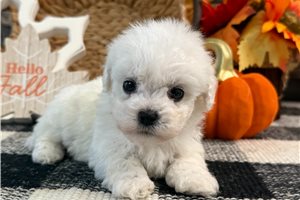
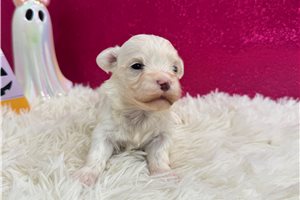
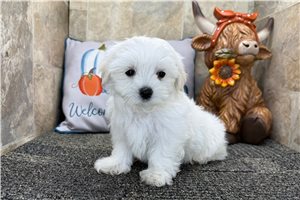

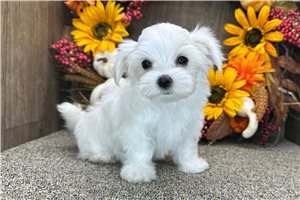
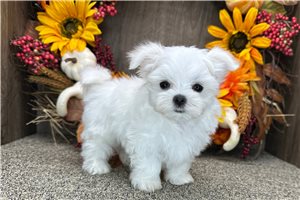

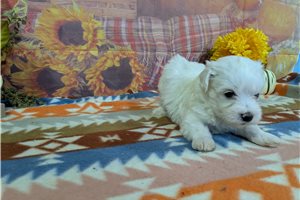

Frequently asked questions about Havanese puppies
Frequently asked questions
A grown Havanese weighs 7–14 lb and stands 8.5–11.5 inches tall at the shoulder. It is a toy breed, but a sturdy one, never fragile.
Parents of Pawrade Havanese typically weigh 8–14 lb (fathers) and 7–15 lb (mothers), going by the weights their breeders report.
Either can make a great pet, and size won't decide it, because the published weight range is the same for males and females. Pawrade buyers bring home males and females in close to equal numbers.
There is no teacup or miniature Havanese. The breed comes in one size, and its standard sets both a minimum and a maximum height.
Havanese come in a very wide range of colors and patterns, and the breed standard treats all colors and markings as equal. The eye rims, nose and lips are black, except in chocolate dogs, where they are brown.
It often will. Many Havanese colors lighten or darken with age, and dark tips on the hair may stay.
The Maltese is smaller and always white, with a single coat, while the Havanese has a double coat in any color. The Bichon Frise is white only and shown in a trimmed powder-puff coat, while the Havanese is shown in a natural, untrimmed coat.
A Havanese is friendly, playful, alert and sweet-natured. It is smart and quick to learn, and it would rather be in the same room as you than anywhere else. Puppies are busy and full of energy, and most grow calmer as adults.
A Havanese is affectionate and prefers to be right at your side. It is also an athletic little dog that can do agility, rally and tracking, so it enjoys play as much as cuddles.
A Havanese is not a nuisance barker and usually barks for a reason. Expect it to let you know when a stranger arrives.
Most are, once they have said hello. A Havanese may bark at a first meeting and then turn friendly, and early socialization keeps it outgoing.
Many can, and the Havanese is widely used as a therapy dog in nursing homes and hospitals. Its friendly temperament and easy trainability suit the work, and puppy classes with plenty of early socialization are the place to start.
Most Havanese get along well with other dogs and pets. Breeders report that 97% of Havanese litters placed through Pawrade were socialized with small-breed dogs before going home.
Havanese are good with children. An adult should still supervise play with young kids, since a toy dog needs gentle handling. Havanese breeders on Pawrade report socializing 89% of their litters with young children before the puppies go home.
Havanese generally get along with other animals, cats included.
The Havanese suits apartments and small homes well. It needs little exercise, and it barks mainly to announce visitors rather than for the sake of it.
Not much, since energy is low and a Havanese is content indoors. A couple of 15–20 minute walks a week plus play at home is enough for most adults. Puppies are lively, and most calm down as adults.
Often, yes, because a small, sturdy Havanese is happiest when it is with its owner. Getting a puppy used to a crate or pen from the first days makes short spells of confinement feel normal.
They can. Havanese do poorly when left alone for long periods, and some develop separation anxiety. Practising short spells in a crate or pen from the first days helps.
Often it is, because low exercise needs and a small, sturdy build make it easy to manage. The part to plan for is the coat, with regular brushing at home or trips to a groomer.
Havanese shed very little, but no dog is truly hypoallergenic. Allergens come from dander, saliva and coat oils, so some allergy sufferers do fine with a Havanese and others do not. Talk to your doctor first.
A full coat needs brushing from several times a week to daily, plus regular baths. Many owners clip the coat short to make that easier. Even then the hair keeps growing, so a short clip still needs regular grooming.
The coat is long, soft and silky, usually with a gentle wave, over a light undercoat. It can also be corded, and the puppy coat is shorter and softer than the adult one. A short, smooth coat is outside the AKC breed standard.
The adult coat comes in slowly. A Havanese puppy has a shorter, softer coat, and the full adult coat takes 2–4 years to grow in. Brushing from the first weeks gets your puppy used to the grooming it will need for life.
Havanese are smart and easy to train, and most will work for food. Use praise and treats, because harsh discipline backfires with this sensitive breed.
Use a crate or pen whenever you cannot watch the puppy, which helps with house-training and keeps it safe. Reward every success rather than punishing accidents, since the breed learns best with positive reinforcement. Start in the first days, with short spells in the crate or pen so your puppy learns to settle when left alone. Breeders on Pawrade report whether they have started crate training, so ask how far your puppy has got.
A common rule of thumb is that a puppy can wait about as many hours as its age in months, so a 3-month-old Havanese can usually wait about 3 hours. The rule works up to about 9 months to 1 year, and every puppy is different. Take your puppy out first thing in the morning, after naps and last thing at night.
Your Havanese is most likely in adolescence, a normal phase that can begin around 8 months and last until about 2 years. Teenage dogs test boundaries and can seem to forget their training. Keep training consistent and patient, with praise and treats rather than harsh corrections, which backfire with this sensitive breed.
Havanese take part in agility, obedience, rally, trick dog, FastCAT, flyball and freestyle events, and in the Canine Good Citizen program. They are excellent jumpers, too.
Pawrade puppies travel only once they are at least 8 weeks old and 2 lb, and the breeder's licensed vet examines each one first. Most Havanese puppies go home at about 13 weeks, usually between 10 and 19 weeks.
Set up a crate or puppy pen in a room where the family spends time, or in your bedroom at night. Have a soft brush and a dog toothbrush ready, and plan the first weeks so someone is home for most of the day. Book a first vet visit that checks the heart and eyes.
Start right away, because puppies are most open to new experiences in their first 3 months. Puppy classes can begin at 7–8 weeks, as your vet advises, as long as classmates are healthy and the floors are clean. Early, positive time with new people, pets and places helps a Havanese grow into a confident, outgoing adult.
Most puppies finish teething by about 6 months, when the adult teeth are in. Baby teeth start to fall out from about 12 weeks, and chewing is strongest in between. Puppy teeth that stay in are common in Havanese, so ask your vet to check for them during teething.
Most puppies finish their core vaccine series at about 16 weeks, as your vet advises. Until your vet says the series is complete, skip dog parks and other places where unknown dogs gather.
You can ask what your puppy is eating now before it comes home. The breeder's vet weighs your puppy before it travels, and the result goes into its Veterinary Health Report. As your Havanese grows, keep it lean.
Breeders on Pawrade report a typical Havanese litter of 5 puppies, usually between 3 and 6.
Breeders report that 97% of Havanese litters placed through Pawrade were socialized with small-breed dogs, 89% with younger children and 88% with older children. Most litters also get used to household noise, and breeders report that 76% heard a vacuum cleaner before going home. These figures come from the breeders' own litter forms.
The Veterinary Health Report is the record of your Havanese puppy's exam before it goes home. The breeder's licensed vet gives the puppy itself a full hands-on exam to PetPay's exam standards and writes down what they find. It gives you and your own vet a clear starting point for your puppy's care.
The breeder's licensed veterinarian examines every puppy before it goes home, to PetPay's exam standards. The results are recorded in the puppy's Veterinary Health Report, and a copy travels with your puppy for your records.
The breeder's licensed vet gives each Havanese puppy a full hands-on exam before it goes home, to PetPay's exam standards. The vet listens to the heart for a murmur, checks both eyes, feels the knees and checks the bite. The vet also weighs the puppy and, in a male, checks that both testicles have come down. Eye conditions and slipping kneecaps run in the breed, so these checks fit a Havanese well.
Before travel, every puppy follows PetPay's vaccination and deworming schedule as far as its age allows: deworming at 2, 4, 6, 8, 10 and 12 weeks, and the distemper, parvo, adenovirus and parainfluenza combination shot at 6–8, 9–11 and 12–14 weeks. Bordetella and corona are given at the vet's discretion, and no vaccine is given within 3 days of travel. Rabies is given by a licensed vet on the schedule your state requires. Your own vet completes the series. Your puppy's vaccination and deworming records are separate documents that travel with your puppy. Bring them, with the Veterinary Health Report, to your first visit so your vet starts from the same record.
If the vet finds something that could put your puppy at risk during travel, your puppy stays with the breeder until it's resolved. Problems that can be treated before travel are treated by the breeder's licensed vet first. Anything else the vet notes is shared with you.
Puppies grow and change quickly, and their immune systems are still developing, so no single exam can find everything. Some Havanese problems, such as cataracts and heart disease, often show up only as a dog gets older. The report is a strong early look at your puppy, and your own vet builds on it at every checkup.
Every puppy comes with a health guarantee administered by PetPay, independent of the seller. The terms are on the health guarantee page.
Havanese buyers rate their Pawrade experience 4.8 out of 5 on average across 449 reviews, and 86% of those reviews give the full 5 stars.
Right now, most Havanese puppies on Pawrade are listed within the typical range shown on Pawrade's Havanese listings. Each breeder on Pawrade sets their own price, and each puppy's listing shows it. A Havanese puppy's price reflects what goes into it: its pedigree and registration, its coat and color, and the breeder's program. Every Pawrade puppy's price also includes the pre-travel exam by the breeder's licensed vet, the Veterinary Health Report and a health guarantee administered by PetPay.
More ways to search
Popular Havanese searches
Other namesWhere families find Havanese puppies
Most Popular Havanese Cities
Havanese puppies by state