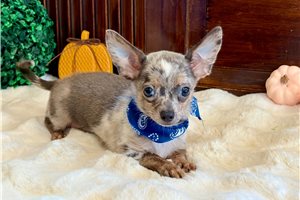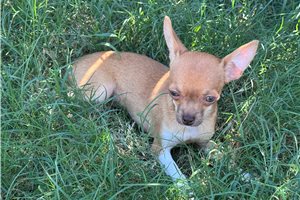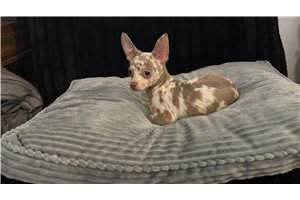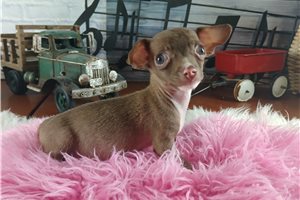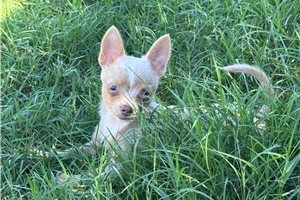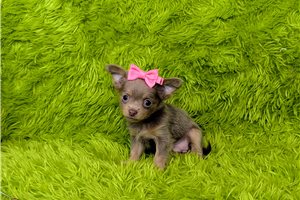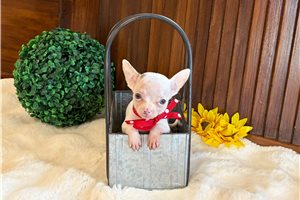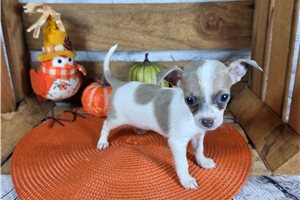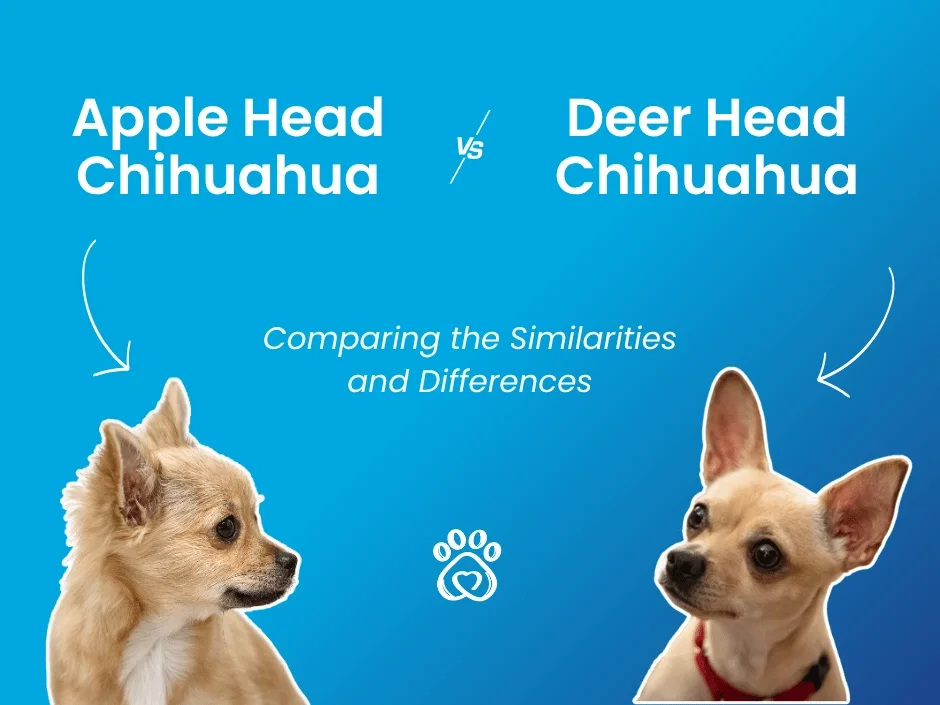
Look through enough Chihuahua puppy listings and you will run into the terms Apple Head and Deer Head almost immediately. Many people have a rough idea that these describe something about the dog's appearance, but the real story goes deeper than skull shape. The difference between an Apple Head Chihuahua and a Deer Head Chihuahua affects health risk, show eligibility, and what to look for when evaluating a puppy. If you are serious about finding the right dog, this breakdown gives you everything you need to make a confident choice.
What Makes a Chihuahua an Apple Head or a Deer Head?
Both terms describe skull shape, not separate breeds. The AKC's official Chihuahua breed standard calls for "a well rounded 'apple dome' skull" as the breed ideal, which is why Apple Head Chihuahuas align with show competition and Deer Head Chihuahuas do not. Understanding that distinction changes how you read a listing, what you ask a breeder, and which health conversations you walk into prepared.
The Apple Head: Rounded Skull, Prominent Eyes, and a Compact Build
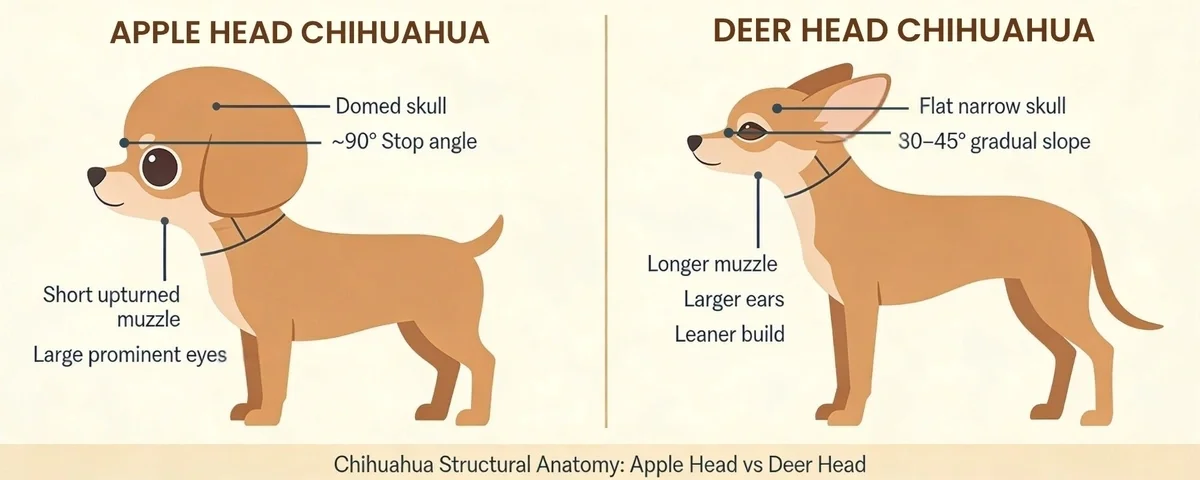
The Apple Head Chihuahua takes its name from the high, dome-shaped skull that sits broad and rounded above a short, upturned muzzle. The most defining anatomical feature is "the stop", the transition point where the forehead meets the nose, which approaches a near 90-degree angle in a well-structured Apple Head. Those large, prominent eyes that make the breed so immediately recognizable are a direct product of that dome; the rounded skull pushes the eye sockets forward and outward. Apple Head Chihuahuas tend toward a compact build overall, with shorter legs and a more delicate, small-framed body.
The Deer Head: Longer Muzzle, Sloped Forehead, and a Leaner Frame
The Deer Head Chihuahua presents a noticeably different silhouette. The skull is flatter and narrower, sloping gradually from forehead to muzzle at an angle closer to 30 to 45 degrees rather than the steep right angle of the Apple Head. Their eyes are less prominent, their ears tend to be proportionally larger, and their legs are longer, giving them a leaner and taller appearance. This longer muzzle and more moderate skull structure is also what sets up many of the health differences between the two types.
Most modern Chihuahuas, especially those bred as companions rather than for the show ring, carry a mix of both head type ancestry. Skull shape, ear size, and leg length are all influenced by multiple genes, which means even littermates can look quite different from one another. The dog in front of you might show a clear apple dome, a pronounced deer profile, or something that falls between the two. That natural variation also explains why the AKC standard is so specific about which version of the skull belongs in the show ring.
What the AKC Standard Says About Chihuahua Head Shapes
Knowing the AKC standard has a practical payoff for prospective Chihuahua adopters and buyers. It determines which dogs appear in show-focused breeding programs, shapes how breeders describe their litters, and affects whether a dog can compete in conformation events. For buyers who have no interest in the show world, it still explains a lot of the pricing and terminology you will encounter in listings.
Why Apple Heads Compete and Deer Heads Do Not
The AKC classifies Chihuahuas into two official varieties, smooth coat and long coat, with no formal distinction between head types. The Apple Head's domed skull aligns with the conformation standard, but it is actually the weight requirement that creates the most consistent barrier for Deer Head Chihuahuas. The AKC requires all Chihuahuas to weigh no more than 6 pounds, and many Deer Heads naturally grow beyond that threshold, which disqualifies them from conformation competition before the skull shape is even evaluated. A Deer Head that stays under 6 pounds still deviates from the skull standard that show judges specifically assess, so in practice neither criterion tends to work in the Deer Head's favor for show purposes.
Does AKC Registration Matter if You Just Want a Companion?
AKC registration and AKC show eligibility are two different things. A purebred Deer Head Chihuahua can be AKC registered and participate in AKC obedience trials, agility events, and canine sports programs even though it cannot enter a conformation ring. Registration documents confirm purebred lineage, nothing more. What shapes a dog's quality as a companion is the health testing, socialization, and temperament selection behind the breeding program, none of which show up on a registration certificate.
Health Differences You Should Know Before You Choose
Deer Head Chihuahuas tend to have fewer structural health risks than Apple Head Chihuahuas, primarily because their longer muzzles reduce the breathing, dental, and skull-related complications that the Apple Head's more compressed facial structure can produce. That is not a reason to dismiss the Apple Head, but it is a conversation you should have with any breeder before committing to a puppy. Both types also share a set of breed-wide health concerns that have nothing to do with head shape and everything to do with being a Chihuahua.
Brachycephalic Risks in Apple Head Chihuahuas
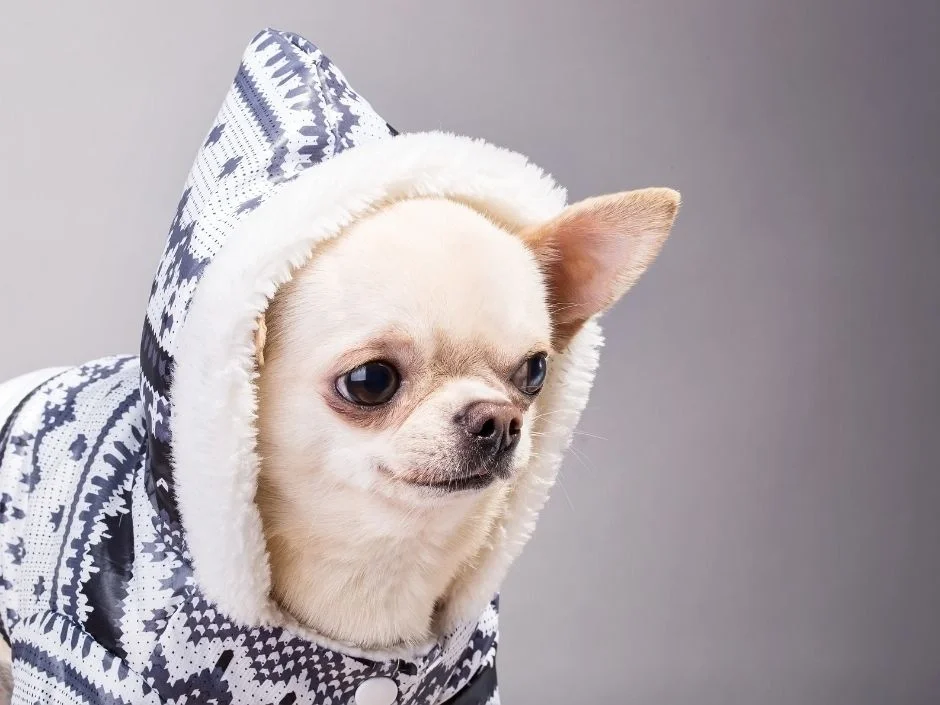
The short, upturned muzzle of the Apple Head Chihuahua compresses the nasal passage and airway, making this Chihuahua type similar to brachycephalic breeds like Pugs and French Bulldogs. This compression can lead to brachycephalic airway syndrome, reverse sneezing, and tracheal collapse, a condition where the cartilage rings of the windpipe gradually weaken and flatten during breathing. Tracheal collapse produces a dry, harsh cough that veterinarians often compare to a goose honk, and it is progressive, meaning the airway can continue to deteriorate over time even with consistent medical management. Using a harness rather than a collar is strongly recommended for Apple Head owners, since collar pressure on the neck can worsen the restriction.
The Apple Head's dome-shaped skull is also associated with the molera, a soft spot on the top of the skull similar to the fontanelle found in a human newborn. A 2021 peer-reviewed study from the University of Helsinki and University of Surrey found that 92% of Chihuahuas evaluated had at least one persistent fontanelle, and that larger fontanelles were associated with syringomyelia and craniocervical junction abnormalities in the brain and spine. The molera typically closes by 9 to 12 weeks in most puppies, but may remain permanently open in some Chihuahuas without causing problems in an otherwise healthy dog, provided the area is protected from direct blows. Apple Head Chihuahuas are more likely to carry a persistent molera than Deer Heads, which is worth raising directly with a breeder before committing.
Why Deer Head Chihuahuas Often Have Fewer Structural Health Concerns
The longer muzzle of a Deer Head Chihuahua reduces the airway compression responsible for so many Apple Head health issues. More room in the jaw also lowers the risk of dental crowding and misalignment that the Apple Head's shorter structure creates. Their less accentuated forehead shape means persistent moleras are far less common, though not impossible. That said, Deer Heads are not entirely without their own vulnerabilities: their wider-set eyes and more exposed eye surface can make them more prone to glaucoma, corneal ulcers, and eye infections, so regular veterinary eye checks remain part of responsible Deer Head ownership.
Health Risks That Affect Both Types Equally
Patellar luxation, where the kneecap slips out of its normal groove, is a hereditary orthopedic condition common across the entire breed and is tied to Chihuahua genetics rather than skull shape. Hypoglycemia, or low blood sugar, is another breed-wide concern that also tends to affect smaller breeds in general, particularly in puppies, and can cause weakness, trembling, and seizures if feeding schedules or blood sugar monitoring lapse. Heart disease is the leading cause of death in Chihuahuas, which is why routine cardiac screening beginning in early adulthood is recommended for both Chihuahua types. The average Chihuahua lifespan of 14 to 16 years means these health conversations are an investment in many years of partnership, not just the first few.
That longevity also means the size and lifestyle fit of your Chihuahua will matter to your household for a long time.
What Size and Weight Differences Should You Expect?
Apple Head Chihuahuas typically weigh between 3 and 6 pounds and stand 5 to 9 inches tall, while Deer Head Chihuahuas can reach up to 12 pounds and stand up to 12 inches at the shoulder. That size gap comes from the Deer Head's longer legs and taller, leaner build rather than excess weight, so a Deer Head that grows beyond that threshold is still a perfectly healthy companion. It just does not qualify for the show ring, which for most owners is a non-issue.
Both types can produce a range of sizes within the same litter depending on parentage, so asking for photos of previous litters from the same breeding pair gives you a realistic preview of how large a specific puppy might grow.
Chihuahuas of both head types rank among the world's tiniest recognized dog breeds, a category that comes with specific care considerations around handling, cold sensitivity, and caloric needs that apply regardless of which skull shape your Chihuahua carries. Small size is a defining Chihuahua trait across both head types, but personality is what most owners fall in love with and stay in love with for the next decade and a half.
Does Head Shape Really Affect Chihuahua Temperament?
Head shape does not determine a Chihuahua's personality, and any claims suggesting Apple Heads are more anxious or Deer Heads are calmer are anecdotal rather than grounded in evidence. Both types share the same core Chihuahua traits: alert, loyal, intensely devoted to their person, and deeply convinced that they are the most important individual in any given room. Individual personality, environment, and training account for behavioral differences far more than skull shape does. Early socialization is the single most impactful investment either type's owner can make, and the results tend to look the same whether the dog has a dome-shaped skull or a deer-like profile.
If you have not yet settled on a breed and are still weighing whether a Chihuahua matches your specific lifestyle, this playful guide to matching dogs with personality types makes a strong case for the Chihuahua as a standout fit for one particular kind of owner.
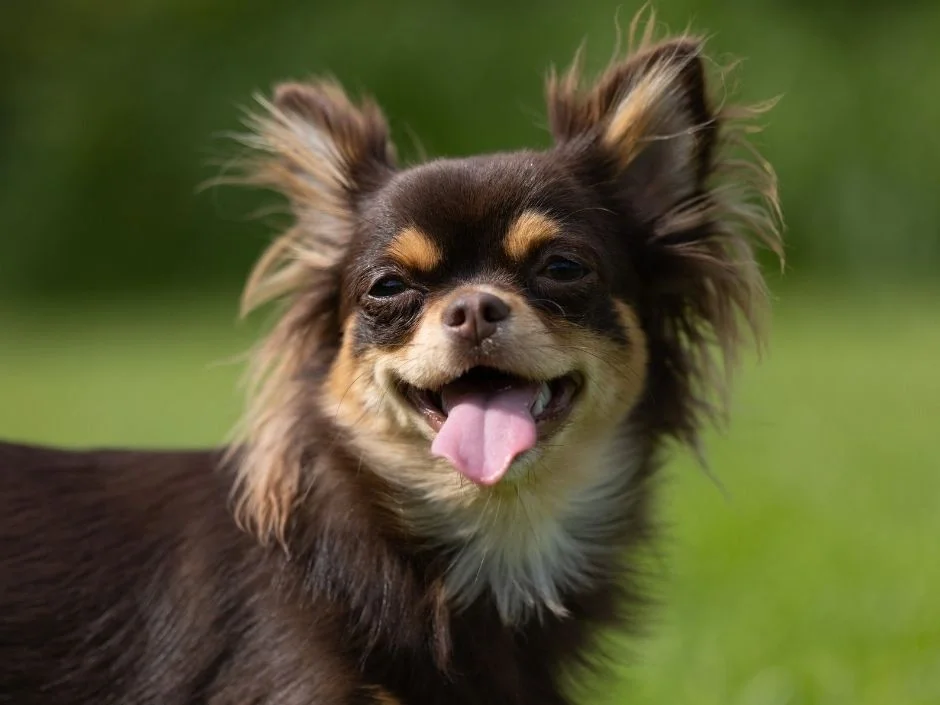
Whether you have your heart set on an Apple Head Chihuahua or a Deer Head Chihuahua, the most important factor is finding a puppy from a breeder who puts health above appearance. Pawrade screens every breeder on its platform, backs every puppy with a 3-year health guarantee, and handles coordination from matching to delivery so you can focus on getting ready to bring your dog home.
Browse available Chihuahua puppies
How Can You Tell Which Head Type Your Chihuahua Has?
Knowing what to look for pays off when you are reviewing listings and preparing questions for a breeder. The Chihuahua's ancestry stretches back to the Techichi dogs of ancient Mexico, and the natural variation in skull shape that has always existed across that lineage is part of what makes Mexican dog breeds so distinct.
Identifying Head Type in Puppies vs. Adult Chihuahuas
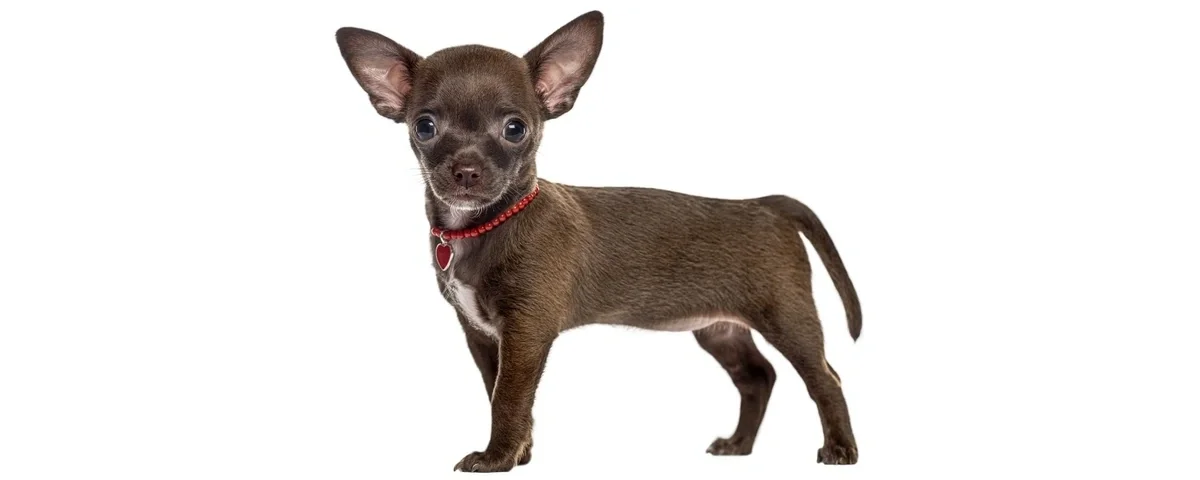
Skull shape in Chihuahua puppies becomes more pronounced between 12 and 16 weeks of age, as the dome develops and becomes palpable in Apple Head puppies. Before that window, the differences can be subtle enough that even experienced breeders hedge their descriptions. To identify an Apple Head, look for a high, rounded top of skull, a near 90-degree angle between the muzzle and the forehead, prominent wide-set eyes, and a compact, lower-slung build. Deer Head characteristics include a flatter skull with a more gradual slope into the muzzle, eyes that sit closer to flush with the face, and notably longer legs relative to the body. The molera, a soft spot at the top of the skull, is also more commonly felt on Apple Head puppies and can serve as a secondary identifier in young dogs, though its presence or absence alone is not definitive.
What to Ask a Breeder About Head Shape
The best time to investigate head type is before you commit, and the breeder conversation is where that happens. Ask whether the breeder knows the head type of both parents, since parental skull shape is the most reliable predictor of what a puppy will look like at maturity. Ask specifically whether health testing has been completed for patellar luxation, cardiac conditions, and eye disorders, conditions that affect both head types but carry different intensities of risk depending on the skull structure. If a puppy shows a persistent molera, ask what handling protocols the breeder recommends and whether they deliberately select away from unusually large or persistent soft spots in their breeding program. Be cautious of any breeder who uses "teacup" language, which refers to breeding for extreme miniaturization and is associated with compounded health risks rather than a feature worth seeking out.
For a full picture of what Chihuahua ownership involves beyond head shape, this comprehensive Chihuahua ownership guide covers everything from puppy care to long-term health management. If this comparison has raised more specific questions, the following answers cover the ones most often brought up in the conversation.
Frequently Asked Questions About Apple Head and Deer Head Chihuahuas
Are Apple Head and Deer Head Chihuahuas different breeds?
Apple Head and Deer Head Chihuahuas are the same breed. The terms describe skull shape only, and the AKC recognizes Chihuahuas in two official varieties: smooth coat and long coat. A Deer Head Chihuahua with a long coat is a long-coated Chihuahua that carries a less exaggerated dome. Head type has no bearing on breed classification, registration eligibility, or temperament.
Can a Deer Head Chihuahua be registered with the AKC?
Yes, a purebred Deer Head Chihuahua is eligible for AKC registration even though the Apple Head Chihuahua is the AKC standard. Registration requires proof of purebred lineage, not adherence to the breed standard's skull conformation. Deer Head Chihuahuas can participate in all AKC programs including obedience trials, agility, and rally events. The only thing the Deer Head skull shape negates is the show ring, and for most buyers that was never relevant to begin with.
Are Apple Head Chihuahuas more expensive than Deer Head Chihuahuas?
Apple Head Chihuahuas may be priced higher from breeders focused on show lines, because they conform to the AKC standard and are produced by programs with significant investment in conformation evaluation and breeding infrastructure. Prices from reputable breeders typically range from $1,500 to $3,000 regardless of head type, with factors like breeder reputation, geographic location, coat type, and individual puppy temperament having more impact on price than skull shape alone. A Deer Head puppy from a rigorous health-focused program can cost just as much as an Apple Head from a comparable one.
Do Apple Head Chihuahuas have more health problems than Deer Head Chihuahuas?
Apple Head Chihuahuas carry a higher risk for structural health issues linked to their skull shape, including brachycephalic airway syndrome, tracheal collapse, dental crowding, and a persistent molera, while Deer Head Chihuahuas are generally less vulnerable to those conditions. Both types share breed-wide risks including patellar luxation, hypoglycemia, and heart disease that are rooted in Chihuahua genetics rather than head shape. What this means in practice is that health risk varies significantly not just by head type but by the individual dog and the quality of the breeding program behind it.
How can I tell if a Chihuahua puppy will have an Apple Head or Deer Head as an adult?
The most reliable method is to look at both parents, since parental skull shape is the strongest predictor of what a puppy's head will look like at maturity. Apple Head characteristics become clearest between 12 and 16 weeks as the dome develops, so if you are evaluating a puppy before that window, ask the breeder for photos of previous litters from the same pairing rather than drawing conclusions from a newborn's appearance. Mixed-ancestry litters, which are common in companion breeding, can produce puppies across the full spectrum from pronounced apple dome to clear deer profile within a single litter. The most transparent breeders will tell you directly when they cannot predict head type with certainty for a specific puppy.
The Apple Head vs. Deer Head distinction is real, worth understanding, and ultimately one factor among many in finding the right Chihuahua for your household. Both types can make extraordinary companions when the breeding behind them is solid. The question is less about which head shape is better and more about your personal preference, and which breeder has done the work to put a healthy, well-tempered puppy in front of you.
When you are ready to find your Chihuahua, Pawrade makes the process straightforward. Every puppy listed comes from a thoroughly vetted breeder and backed by a 3-year health guarantee, with coordinated transportation and post-adoption support from start to finish.