The sizzling temperatures make heatwaves shimmer across the hot ground, and you swear you could fry an egg on the hood of your car. In fact, you probably could in some areas of the country!
With historically soaring temperatures, keeping your puppy cool this summer is paramount to avoid serious health conditions caused by excessive heat. You may have heard the terms heat stress, heat stroke (sometimes written heatstroke), and heat exhaustion in puppies, but what’s the difference, and what can you do about heat stroke to protect your puppy in the scorching heat?
Unlike humans with active sweat glands all over their bodies, dogs sweat by panting and through glands in their paw pads. They need extra help from humans to regulate their body temperature when it’s hot outside. Learn how to recognize, treat, and prevent heat stroke and heat exhaustion in puppies this summer to stay happy, cool, and healthy.
What’s the Difference Between Puppy Heat Stroke and Heat Exhaustion?
Before you know how to recognize a problem due to heat, you’ll need to know the difference between conditions. Heat stress is the general term for when a puppy gets overheated for a short time but recovers quickly. The symptoms may look like mild dehydration easily fixed with a bowl of cool, fresh water, or lethargy and panting that regulates quickly with a rest in the shade or air conditioning.
However, heat exhaustion and heat stroke are much more serious and require immediate attention. Here’s how you can tell the difference between puppy heat exhaustion and heat stroke.
Heat exhaustion in puppies
A puppy’s regular body temperature range is 99.5°F to 102.5°F. When your puppy’s core body temperature rises to over 103°F, heat exhaustion sets in. A fever in a puppy is called hyperthermia, and if not treated, it can increase quickly with dire consequences.
Heat stroke in puppies
A puppy is said to have heat stroke when their core temperature rises above 105.8°F - 106°F, dangerously high temperatures that can damage cells and cause other major health issues. Heat stroke features more severe symptoms and can cause organs to shut down and even be fatal.
Signs of Heat Stroke in Puppies
The signs of heat stroke in puppies can appear either gradually or quickly depending on the situation. As heat exhaustion can easily turn into heat stroke, the signs are very similar for each, so you shouldn’t wait and see if heat stroke develops. Act right away if you notice any of the following:
- Coma
- Drooling
- Seizures
- Lethargy
- Red eyes
- Red gums
- Unsteady gait
- Muscle tremors
- Bloody diarrhea
- Rapid heart rate
- Trouble breathing
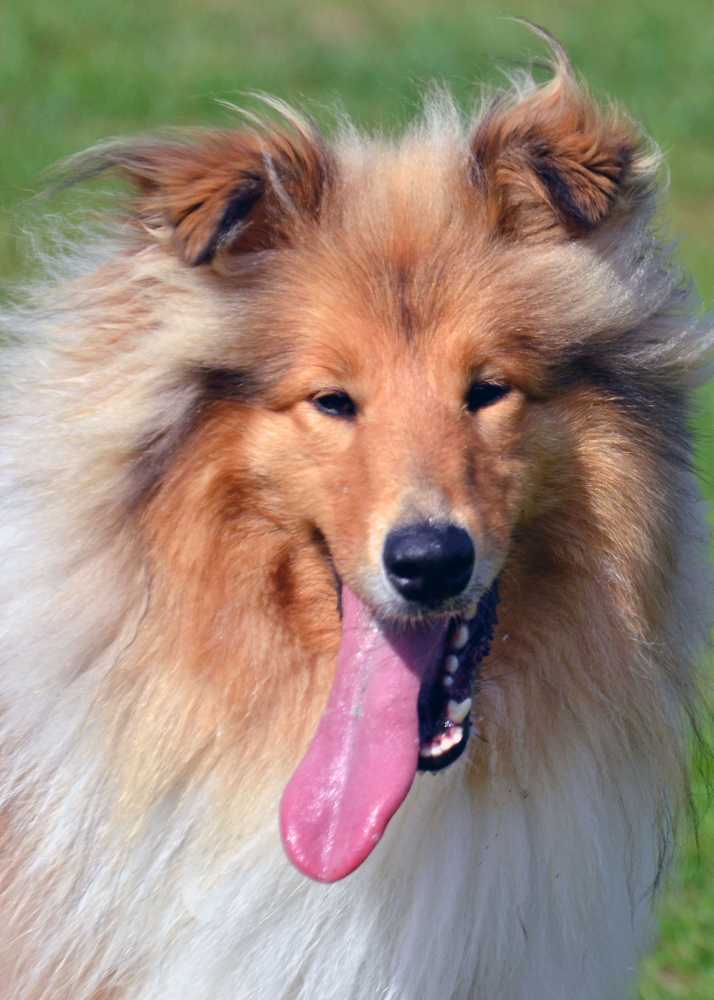
- Excessive panting
- Ears are warm to the touch
- Unresponsive to voices or touch
- Can’t stand up from lying down position
How to Treat Heat Stroke in Dogs
Time is of the essence if you suspect heat stroke in your puppy! You’ll need to know how to treat heat stroke in dogs if you live in a hotter climate as part of being a responsible pet owner so you can administer first aid for your puppy until you can get him to the vet.
Have someone call the veterinarian right away while you move your puppy to a shaded, cool area outside or inside in a climate-controlled area. Always follow the instructions your vet gives you. Your puppy may need intravenous fluids, oxygen, or other medications.
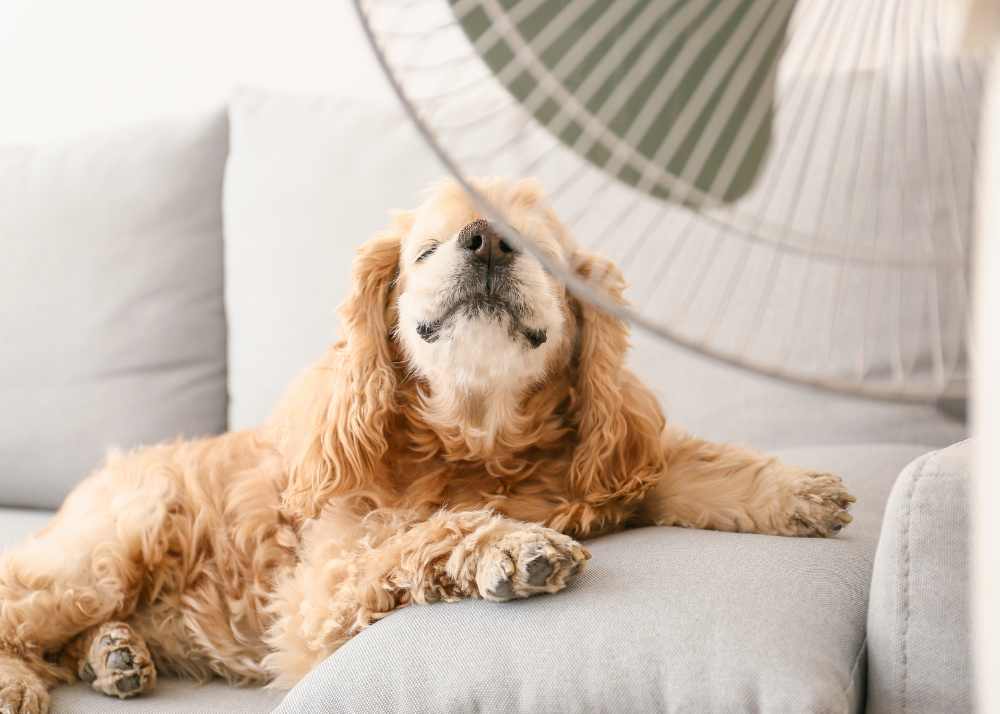
If you are at home, pour cool tap water all over your dog while he is lying down on his side. You may think pouring cold water would be better, but such extreme temperatures can cause a shock to their bodies. Blow cool air over them with a fan while you sponge cool water on them, especially on their underside and paws. Offer them cool water to drink, but don’t force them to drink. Continue monitoring your puppy for 20-30 minutes if your vet says to treat them at home first. Watch for their breathing to settle. If your puppy is not getting any better, take them to the vet immediately!
Which Dogs Are More Susceptible to Heat Stroke?
The short answer is all puppies and adult dogs can experience heat stroke in the right conditions. However, some puppies and dogs may be more susceptible to heat stress for the following reasons.
Brachycephalic breeds
Snub-nosed brachycephalic dogs can have a more difficult time breathing due to restrictive airways, such as English Bulldogs, Boxers, French Bulldogs, Boston Terriers, Pugs, and more.
Long-haired breeds
Dog breeds such as Siberian Huskies, Akitas, Miniature Australian Shepherds, and German Shepherds have thick double coats that need to be brushed and raked to remove excess undercoat hair, especially in the summer when they blow their coats. However, never shave a double-coated dog because the two layers act as an air conditioner of sorts, helping regulate their body temperature. You remove this natural cooling system when you shave them, leaving them more vulnerable – the opposite of what you’re trying to prevent in the first place.
Young puppies and senior dogs
The very young and very old may have trouble regulating their temperature as their bodily systems are either not fully developed or are declining due to age.
Overweight and obese dogs
Obesity in puppies and dogs puts extra strain on all systems. They overheat more easily due to poor circulation, lethargy, and more.
Physically active, high-energy dogs
If you have a puppy that’s like the Energizer Bunny, these active dogs may exert themselves too much while having fun.
Dogs with medical conditions
Dogs with certain health issues such as cardiac diseases and hypothyroidism have a harder time regulating their body temperatures.
Irresponsible owner behavior
Dogs left outside in direct sunlight, contained in a non-air conditioned setting, without access to shade or fresh water, or left in a hot vehicle are more susceptible to heat stress.
Be Proactive in Preventing Heat Stroke In Your Puppy
Even though the temperature may be sizzling outside, the good news is there are so many steps you can take to prevent heat stroke in puppies. Incorporating these suggestions into your daily routine during the summer can prevent symptoms before they even begin.
- Keep an eye on the daily temperature and the humidity. Anything above 80°F is a cause for pause.
- Take out your puppy for longer walks and exercise in the early morning and evening before the pavement heats up. Puppies sweat through their paws, and blistering concrete can burn their paw pads. If you have to go out during the day as puppies do, keep the trips short and in the shade and grass if possible. Consider breathable heat-resistant paw booties to protect their paw pads.
- Provide plenty of shade and fresh water. Carry water and a makeshift shade tent if you are out and about.
- Never, ever leave your puppy in a hot car, even if you think you’ll be gone a short time. Don’t leave your puppy in a locked car with the motor and A/C running either because you never know if something will malfunction.
Stay Cool With a Pawrade Puppy
Do you know what’s cool about Pawrade? We do all the intensive work in finding reputable puppy breeders for you! We only take hand-selected breeders for our partners who pass a rigorous screening process. Check out our puppies for sale to enjoy summer with a four-legged best friend!