Congratulations on your new puppy! You know that you’ll need to establish a relationship with a veterinarian and get your puppy to his first appointment within the first few days of your puppy’s arrival. A visit to the veterinarian can be an exciting (and sometimes stressful) event for a puppy and an owner. The goal for both puppy parents and veterinarians is to have a pleasant, informative visit to address concerns and receive routine care with the common goal of a healthy puppy. We may be nervous our puppy will misbehave at the vet, causing a ruckus and embarrassment.
However, sometimes we pet parents are the main problem, but we might not know it and certainly don’t intend to be a hindrance. Learn how to avoid mistakes puppy parents make at a veterinary visit and advice for being as prepared as possible for a good experience.
Prepare Your Puppy For a Vet Visit
All puppy parents wish for a calm and productive visit to the vet, but it may not come naturally. Thankfully, you can prepare your puppy for a vet visit in several ways that begin at home before their paws touch the floors of the exam room. Learn from these common mistakes pet parents make at a vet visit and keep it from being a total disaster so you can focus on a smooth experience.
1. Not preparing your puppy to be handled
Part of socializing your puppy is ensuring he is used to someone touching him all over. Desensitizing touch is extremely important when a vet gives a full-body wellness exam. Start by touching your puppy all over his body while offering treats, especially his paws, ears, mouth, and private parts. If you don’t work with your puppy early on, your vet will have difficulty checking for serious conditions or concerns.
2. Skipping well visits and waiting till true emergencies
As a responsible puppy owner, you should put the well-being of your puppy above all else. This means taking your puppy to well visits and not waiting until an emergency arises. Scheduling regular check-ups helps to catch any issues that are on track to becoming full-blown health problems. Your vet will help you check all the boxes on a puppy wellness checklist and go over recommendations to keep your puppy healthy before a problem escalates.
3. Skimping on scheduled vaccines and preventatives
All puppies need to be kept up-to-date on core puppy vaccinations to ensure they are fully protected from all sorts of common puppy illnesses. Your vet can discuss a schedule that’s right for your puppy and recommend extra vaccines based on your geographic location and lifestyle, such as protecting against Lyme disease in puppies. All puppies should have a rabies shot around 4 months old as required by most local laws. Skipping these required vaccinations can leave your puppy vulnerable to devastating conditions that could have been prevented or mitigated with regular, timely vaccinations.

4. Not being honest
While ideally you keep your puppy away from substances that can harm them, life happens. Puppies are curious and will get into just about anything they can. Don’t let your embarrassment cause you to lie about why your puppy needs care. Your vet needs to know every detail to best help your puppy’s health. For example, if your puppy gets into drugs or alcohol, don’t let your shame or embarrassment hinder you from telling the truth. Your puppy’s health comes first. Likewise, if your vet has prescribed medication or recommended actions that you did not take, don’t say that you have been doing them all along. If you do, your vet may not be able to troubleshoot if the problem still persists.
5. Denying care based on finances
When considering a new puppy, you’ll want to ensure you are financially prepared to own a puppy. This means you should be aware of general pricing for routine vet visits, vaccinations, lab work, preventative medications for fleas, ticks, and heartworms, dental care, and surgeries such as spaying and neutering, all things to keep your puppy healthy. Likewise, pet parents should be prepared for emergencies.
While it can be a hardship to fork over thousands of dollars for necessary procedures, there are ways to help alleviate costs. Consider pet insurance for your puppy to help cover routine and emergent situations. Familiarize yourself with programs like CareCredit to help split payments even when the full payment is due before services begin. No vet wants medical care denied due to finances and watching the pet suffer, but medical costs are a necessary component of owning a puppy.
6. Not controlling your puppy
Puppies can be wild and rambunctious, especially in new environments with so much excitement going on. Your puppy will be distracted by new sights, smells, and other pets and people. While your puppy may be cute, not everyone might think so. Don’t let your puppy roam around the waiting room; always bring your puppy in a carrier or use a leash. Some vets have a “no on-leash greeting” rule because not all pets are friendly to other animals. Keep your puppy contained and under control so they don’t cause a ruckus.
7. Not asking questions
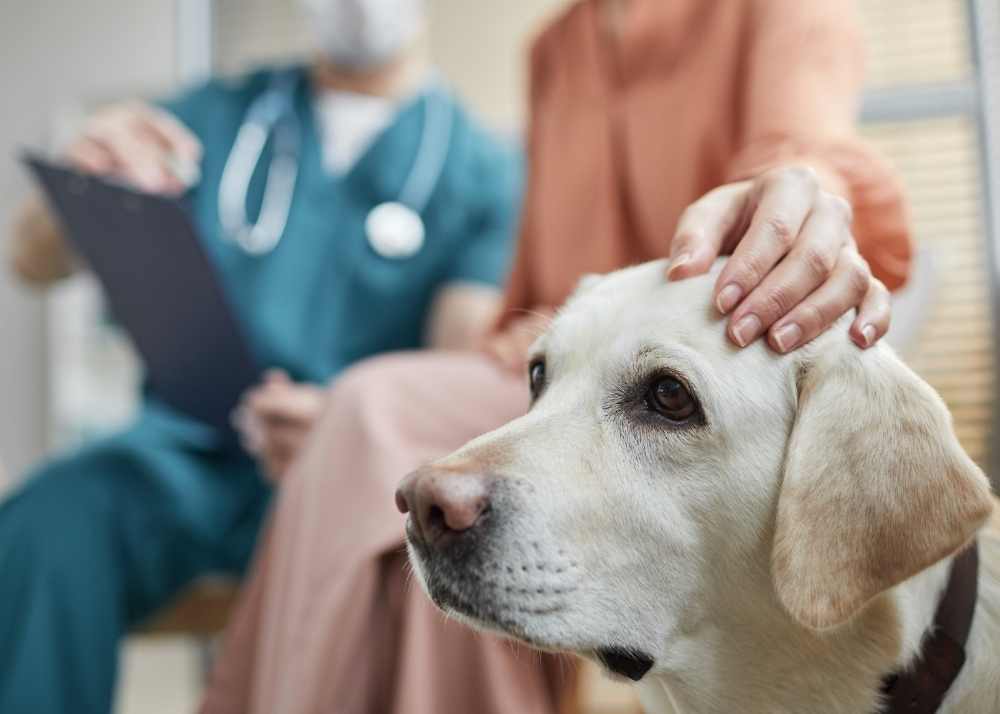
Your vet wants to be a part of your healthcare team for your puppy. New puppy parents will inevitably have questions about every aspect of their puppies, from how much to feed them to what happens in emergency situations. Questions also help you form a bond with your vet, even if the questions are not necessarily pet-related. Asking a prepared list of questions or even those that pop up during the visit helps you understand how to keep your puppy healthy and happy beyond the doors of the vet’s office. It’s perfectly fine to take notes and ask any follow-up questions you have as well.
8. Taking out your negative feelings on the staff
A routine vet visit can easily turn into a serious one if a medical issue is found. You may receive devastating news or be faced with an unexpected expense. While we may have big feelings about what we learn, it certainly does not give us the right to lose our cool and take it out on the vet staff. They do not deserve your anger and wrath, so keep your emotions in check.
An alarming number of veterinary staff have reported being assaulted or intimidated at work. According to a British Veterinary Association survey, 57% of 572 practitioners had felt intimidated by clients' language or behavior during the past year, an increase of 10 percentage points since the same question was asked in 2019. Don’t be a part of the problem where vets have to worry about de-escalation techniques on you; please let them do their job in safety.
9. Ignoring their expertise and advice
Your veterinarian has dedicated his or her life to ensuring the well-being of animals. They’ve worked hard for years to earn advanced degrees and keep up with continuing education and new advancements in their field. Vets fully expect puppy parents to follow through with their professional recommendations. However, when you ignore their advice, you are dismissing their educated expertise. If you disregard what they say and instead take advice from social media or an anecdotal tale from a friend, you’re undermining the partnership they’re trying to build with you in keeping your puppy well.
10. Neglecting basic care at home
Keeping your puppy healthy should be a daily routine rather than just waiting for the vet visit. Neglecting routine maintenance of your dog can cause painful problems. Not brushing their fur and skipping coat maintenance can cause painful matting that tugs on the skin and causes infections. Neglecting dental care in puppies can lead to serious diseases. Nails that are too long and other issues with paw care for puppies can cause major paw and skeletal issues resulting in your puppy becoming lame.
Pawrade Puppies Arrive to You Happy and Healthy
When searching for puppies for sale, you want to ensure your puppy arrives happy and healthy. However, when you fail to do your due diligence in vetting a breeder, you never know what you’ll find. Backyard breeders or pets found on social media posts often have a murky background. You’ll either receive no vet papers of medical care or possibly forged papers. You can’t trust that the person selling the puppy cares about the health and well-being of their litter.
Rest assured that Pawrade offers puppies with a 3-year health guarantee who have all had proper and appropriate care up until you hug them in your loving arms. All puppies come with a health certificate and current health records so you can see how well they’re taken care of by our breeder partners. Each of our partners has passed a thorough screening, and we can guarantee your puppy has been loved and cared for. Check out our adoptable puppies to find your pawfect companion!