
Finding the best dogs for apartments is not just a question of size. Temperament, adaptability, and energy level matter just as much as how much a dog weighs. A calm, 60-pound Basset Hound can settle beautifully into a studio apartment, while a small but restless Jack Russell Terrier can make shared walls feel paper-thin within a week. The six breeds in this guide were chosen because they consistently perform in the actual conditions of apartment life: tighter spaces, neighborly coexistence, daily routines that do not always include a backyard, and landlords who have opinions about what comes through the front door.
What Makes a Dog Apartment Friendly?
An apartment-friendly dog is one whose temperament suits indoor living, whose exercise needs can be met without a yard, and whose noise level keeps the building's peace intact. Size is a factor, but it is not the only deciding one. These four traits separate apartment-compatible breeds from the rest.

Energy level
A pup’s need for exercise and outdoor stimulation is the most consequential. A breed built for hours of vigorous outdoor work is a poor match for a sixth-floor apartment regardless of how compact the dog is.
Barking
The tendency to bark is the next thing to consider because sound carries in ways square footage does not. Sharing walls with neighbors also means sharing noise. Since apartments and condos include people with different tolerance levels, schedules, and more, choosing a dog breed that stays quieter and calmer can keep you safe from unhappy neighbors.
Adaptability
Apartment-friendly dogs are easy to train and fit into your existing routine. Consistent sleep schedules, feeding schedules, and scheduled playtime are things an apartment dog should enjoy and abide by.
Socialization
Finally, friendliness with strangers and other dogs in shared spaces, like elevators, lobbies, and parking lots makes dog ownership in an apartment much more enjoyable.
Whether you are in a studio apartment or a two-bedroom apartment with an open floor plan, these traits matter. More than half of US renters have at least one pet, and the breeds that thrive in those homes share this profile consistently.
The six breeds below were chosen with exactly those traits in mind.
The 6 Best Dogs for Apartments
These six breeds are not just small. They are calm, trainable, social, and genuinely well-matched to the experience of sharing a building with other people and their pets. Each one has a distinct personality worth understanding before you decide.
French Bulldog
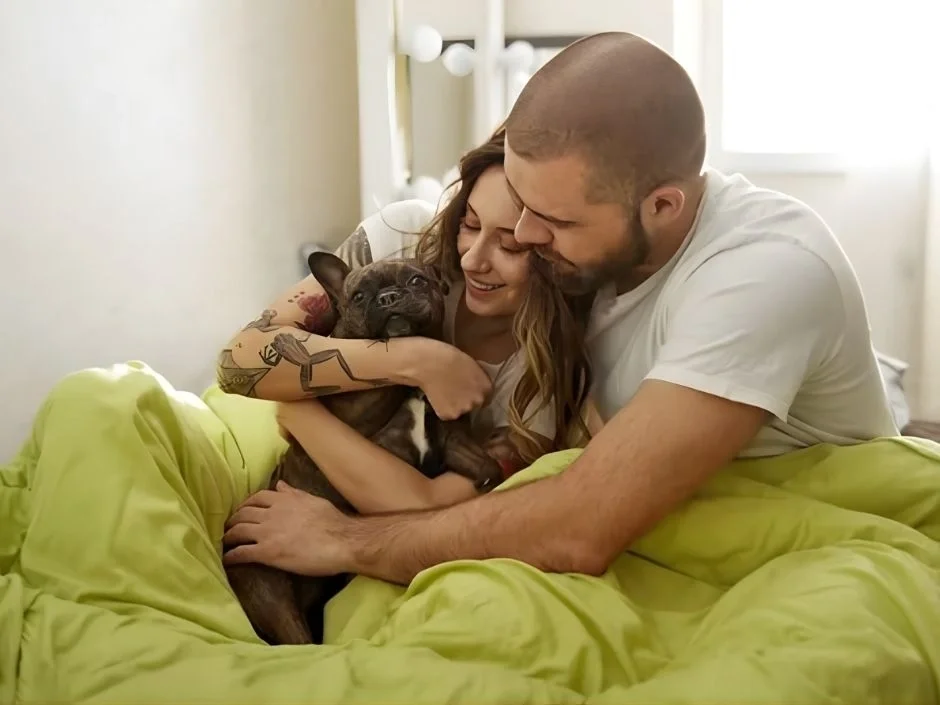
The French Bulldog has become the defining city dog for good reason. Compact, quiet, and people-focused, Frenchies are content with a short daily walk and indoor play, and their adaptability to shifting schedules makes apartment life genuinely workable rather than just tolerable. French Bulldog exercise needs are minimal: around 30 minutes of light daily activity is sufficient, and overexertion should be avoided because their brachycephalic, flat-faced structure makes heavy exertion in warm weather a real health concern.
Frenchies rarely bark without cause, which is important when you have neighbors on the other side of a standard apartment wall. Their bond with their owners is close and consistent, making them a reliable companion for both active professionals and quieter homebodied routines. The French Bulldog has become the most popular dog breed in the United States, and in New York City specifically according to a joint 2024 analysis of rental and subscription data by Zillow and BARK.
Find French Bulldog puppies on Pawrade
Cavalier King Charles Spaniel
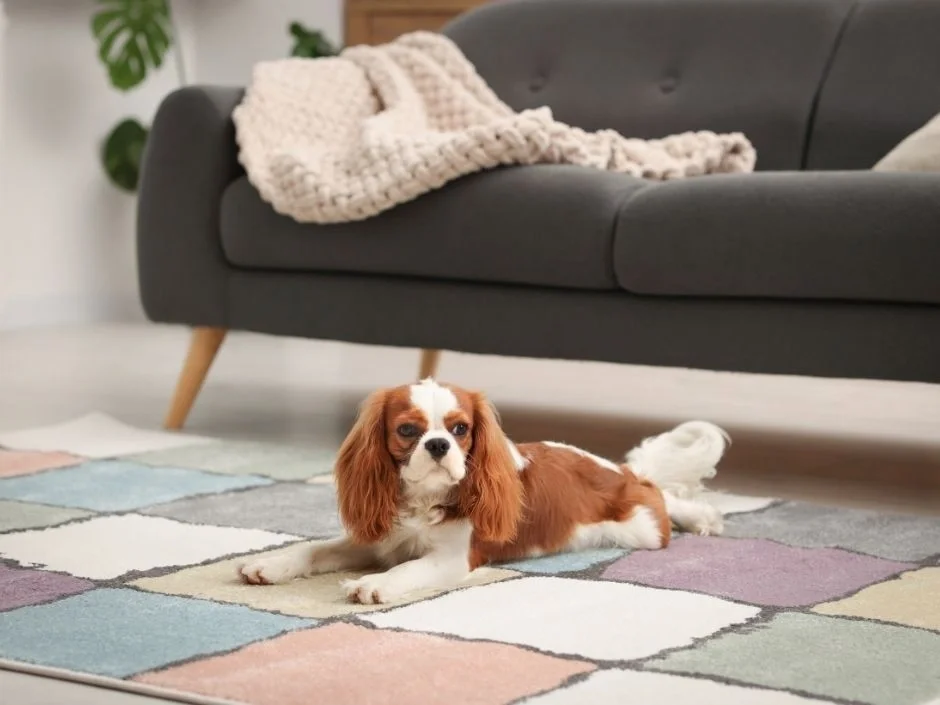
The Cavalier King Charles Spaniel is one of the most flexible breeds available to apartment renters. The AKC’s breed standard describes Cavaliers as equally suited to active owners and homebodies, noting they adapt readily to athletic activity as they do to a quiet afternoon on the couch. That elasticity is precisely what makes them a strong match for the varied rhythms of apartment life, where the day can look very different depending on the week.
Cavaliers weigh between 13 and 18 pounds and stand 12 to 13 inches tall, a frame that fits comfortably in most apartments. A veterinarian at PetMD describes them as dogs that "often make great apartment dogs due to their friendly and adaptable temperament". They are patient with children, relaxed with other dogs, and deeply affectionate in a way that makes them excellent companions for seniors and quieter households seeking a steady, warm presence.
Two honest caveats are worth naming: Cavaliers do not handle long stretches alone well, and their hunting instincts mean outdoor time should always happen on a leash. For owners who are home much of the day or can arrange company, these are manageable.
Find Cavalier King Charles Spaniel puppies on Pawrade
Bichon Frise

The Bichon Frise was bred for adaptability. The American Kennel Club traces the breed's history through centuries of travel across Mediterranean trade routes, noting that its "merry disposition" made it a welcome companion wherever it landed. That cheerful portability translates directly to apartment living: Bichons are socially easy, genuinely low-shedding, and calm enough for close-quarters community life.
Their friendliness toward strangers and other dogs makes the inevitable lobby encounters, elevator rides, and walks around the complex low-stress for everyone involved. Their energy is manageable with a daily walk and some indoor play, and their quiet temperament avoids the noise complaints that can complicate apartment ownership of more vocal small breeds.
The tradeoff is grooming. Bichon coats require regular professional attention to prevent matting, which is a real ongoing commitment and cost. For owners prepared to make those appointments, the Bichon is a compact, sociable, excellent-natured apartment companion that earns its reputation consistently.
Find Bichon Frise puppies on Pawrade
Pug

The Pug is widely considered the perfect breed for apartment dwellers. The American Kennel Club describes the breed using the Latin phrase "multum in parvo," meaning a lot of dog in a small space, and notes that the Pug is "comfortable in a small apartment or country home alike, easily adaptable to all situations". Their origins as companion dogs in Chinese imperial courts reinforce the point: this is a breed that has lived happily indoors, close to its people, for more than two thousand years.
Pugs are low-energy, quiet, and deeply attached to their owners, with no great ambition other than being near whoever is home. They do not need substantial space or vigorous exercise to stay content. Two genuine considerations deserve honest mention: Pugs have short, dense coats that shed heavily throughout the year, and their facial folds require regular cleaning to prevent skin irritation. Owners who are prepared for both will find the Pug one of the most reliably apartment-compatible companions available, including for seniors and less active households where low maintenance is a genuine priority.
Boston Terrier
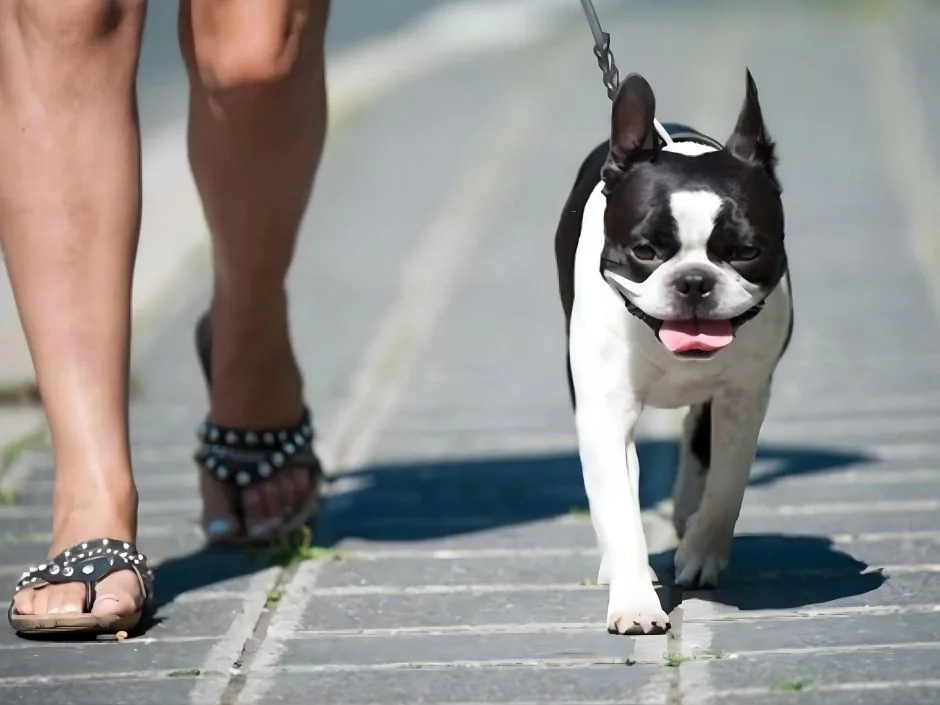
The Boston Terrier is one of the best choices on this list for apartment-livers who want a more energetic companion without stepping up in size. The AKC recommends Boston Terriers for city dwellers specifically, pointing to their small frame and adaptable energy as core strengths for urban living. The breed comes in three weight classes, all under 25 pounds, and their neat, tuxedo-patterned build earned them the nickname "The American Gentleman."
Two brisk daily walks or a couple of dedicated indoor play sessions meet their exercise needs. They are intelligent, trainable, and genuinely enjoyable to live with in close quarters. Boston Terriers are social with strangers, patient with children, and alert without being anxious. Bostons are also one of the few truly American dog breeds, developed in Boston, Massachusetts in the 1870s and among the AKC's founding breeds, a history that tends to make them easy favorites in any building lobby. For a fun combo of Boston Terrier and French Bulldog, consider a Frenchton puppy on Pawrade.
Find Boston Terrier puppies on Pawrade
Shih Tzu
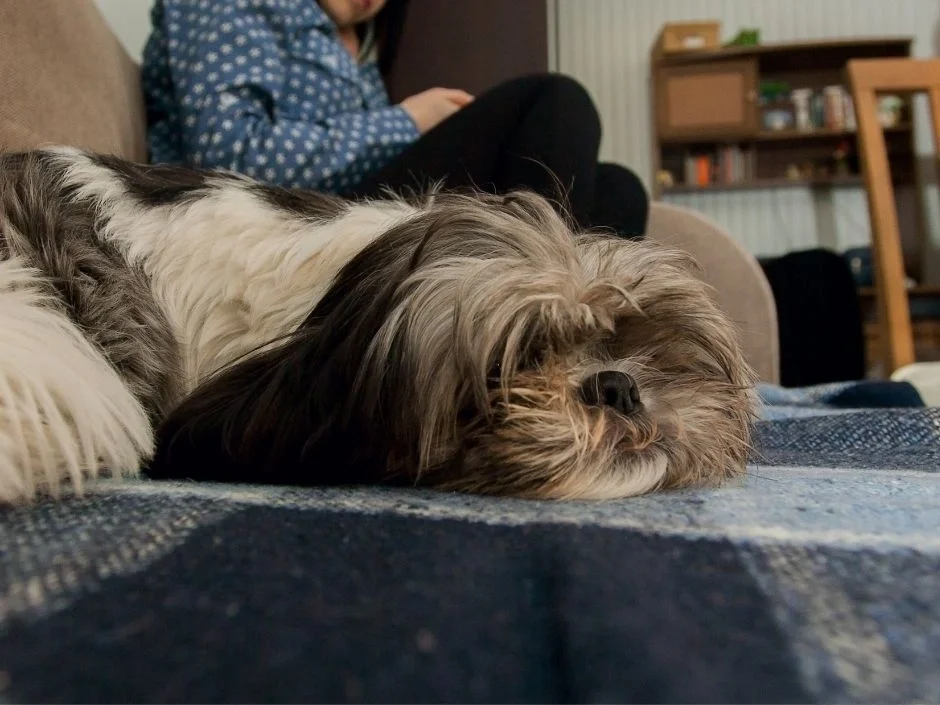
The Shih Tzu is a quintessential companion breed, developed specifically for close indoor living with people. A daily walk of around 30 minutes combined with at-home playtime keeps a Shih Tzu healthy and content. Shih Tzu care and temperament are both low-maintenance and easy to deal with, for the most part. They are sociable with people and other animals of all ages, making them well-suited to the varied human landscape of most apartment buildings.
Shih Tzus are a particularly strong choice for seniors and quieter households. Their low exercise requirement and deeply affectionate temperament make them reliable lap dogs for routines that do not include high-energy outdoor activity. Their long coats require regular grooming, either daily brushing or a shorter maintenance cut, and setting that expectation honestly is part of choosing this breed well.
Find Shih Tzu puppies on Pawrade
Knowing which breeds thrive in apartment settings is half the picture. The other half is understanding what your landlord can require you to do about it, and why.
Common Breed Restrictions and Lease Pet Policies
The most commonly restricted dog breeds in apartments are not restricted because of a landlord's personal preferences. They are restricted because of the building's insurance carrier. In 2024, US insurers paid $1.57 billion for nearly 23,000 dog-related injury claims, and the breed restriction lists that result from that claims history are built directly into the liability policies that most apartment buildings are required to carry for breed specific legislation. When a building manager tells you a breed is prohibited, they are almost always reading from an insurer's list, not making a personal judgment.
That distinction changes how you approach the conversation. Restricted breeds by homeowners insurance most often include Pit Bulls, Rottweilers, Doberman Pinschers, Chow Chows, and Akitas. The six breeds covered in this post, French Bulldogs, Cavaliers, Bichons, Pugs, Boston Terriers, and Shih Tzus, do not appear on standard restricted breed lists. This was a deliberate part of the selection criteria.
Nearly half of US renters have passed on a rental property because it had a no pets policy. Understanding the insurance reasons behind breed policies prepares you with the right questions to ask when dealing with a private landlord versus a corporate rental management company. Ask the building manager specifically which breeds are restricted, and get that answer in writing before signing. Weight limits are a separate consideration from breed restrictions, and many buildings impose a 25 to 50 pound cap regardless of breed. Confirming both before you commit is worth a single phone call.
Some states have passed legislation limiting local governments from enacting breed-specific restrictions, but those protections do not extend to private rental agreements. A landlord's pet policy is a private contractual matter. Reading the pet addendum in your lease before signing is not optional, and doing it before you select a puppy rather than after saves everyone involved a difficult conversation.
Tiny dog breeds for apartments and smaller spaces
With the breed decided and the policy landscape understood, the practical steps before bringing a puppy home are straightforward.
What to Ask a Leasing Manager or Landlord Before Bringing a Puppy Home to an Apartment
Before committing to a puppy, apartment renters need these things confirmed: what the lease permits financially and practically, and whether the breeder or seller is someone worth trusting. Getting both answered before putting money down for a puppy prevents problems that are considerably harder to solve after.
What Does Your Lease Actually Say?
Pull the pet addendum from your lease agreement and read it carefully before you commit to any breed. Most pet addendums specify permitted breeds, set weight limits, define how many pets are allowed, and outline the financial terms of pet ownership in that building. The financial terms are worth knowing in advance: the average monthly pet rent in the US runs around $35.65, and a one-time pet deposit typically comes to just over $300. In larger cities, both figures can run significantly higher.
If the pet section in the lease is unclear or absent, ask the building manager to confirm in writing which breeds are permitted, what the weight cap is, and what fees apply. Get that confirmation before signing anything. A verbal "dogs are fine here" is not a policy and could set you up for troubles when trying to renew the lease or if your pet causes damages to the property.
What Does a Verified Breeder Look Like?
Pawrade's network of health-screened, verified breeders removes the research burden from puppy-seekers. Every listing in the apartment-friendly collection comes with a three-year health guarantee (excluding Bulldog breeds) and a scam-free process that includes coordination from match through delivery.
A reputable source for finding a puppy is transparent about health testing, provides a documented health guarantee, and welcomes questions before the sale rather than after. Health histories for parent dogs is a non-negotiable standard among ethical breeders. It is how hereditary conditions are identified and reduced across generations, and its absence is a meaningful signal about how a breeding program operates.
Browse Pawrade's apartment-friendly breed collection and find a healthy, verified puppy from a screened breeder
Frequently Asked Questions
What is the best dog breed for a small apartment?
French Bulldogs, Cavaliers, Bichons, Pugs, Boston Terriers, and Shih Tzus, consistently rank at the top for apartment compatibility, combining compact size, calm temperament, and low exercise needs. These breeds adapt well to indoor routines without requiring significant outdoor space to stay healthy and content. The right choice between them usually comes down to whether the owner is home most of the day, a scenario where the Cavalier thrives, or has a more variable schedule, where the Frenchie tends to be more forgiving.
Do all apartments allow dogs?
No, apartment buildings may prohibit pets entirely, or restrict specific breeds and impose weight limits. Pet policies vary widely by building, landlord, and city. Reading the pet addendum of any lease before signing is essential, and confirming both breed permissions and weight caps in writing protects you if questions arise later.
What dog breeds are most commonly restricted by landlords?
The breeds most commonly restricted in apartments are Pit Bulls, Rottweilers, Doberman Pinschers, German Shepherds, Chow Chows, and Akitas. These restrictions typically reflect insurance carrier breed lists rather than the landlord's personal preferences. Before committing to any apartment, ask the building manager for the complete restricted breed list in writing and confirm your chosen breed is not on it.
Can a large dog live happily in an apartment?
Yes, with the right temperament and consistent exercise. Greyhounds, Basset Hounds, and certain standard-sized doodles are well-known examples: calmer indoors and content with moderate daily walks, despite their athletic reputation. Energy level matters far more than physical size. A low-energy large breed with a settled disposition will typically do better in an apartment than a high-energy small breed that needs hours of daily outdoor activity.
How much exercise does an apartment dog need each day?
Most of the breeds best suited for apartment living need between 20 and 45 minutes of daily activity, split across two walks or a walk plus indoor play. French Bulldogs and Pugs fall at the lower end, satisfied with around 30 minutes of light exercise. Boston Terriers need the most of the six breeds in this guide, benefiting from two brisk walks or dedicated play sessions each day to stay settled and well-behaved indoors.
The right apartment dog is not the smallest available option. It is the one whose personality fits how you actually live. Each of the six breeds in this guide offers something distinct: the Frenchie's quiet adaptability, the Cavalier's emotional attunement, the Bichon's social ease, the Pug's uncomplicated warmth, the Boston's energetic intelligence, and the Shih Tzu's steady companionship. Any one of them can make apartment life genuinely better than it was before.
Learn more about finding a puppy in a major city or search for small dog breeds compatible with your apartment through Pawrade's network of health-screened, verified breeders. For help acquiring an ESA or PSD letter to present to your building manager, research the Best ESA Letter Providers.