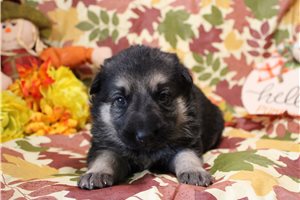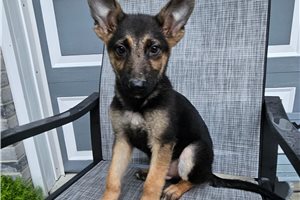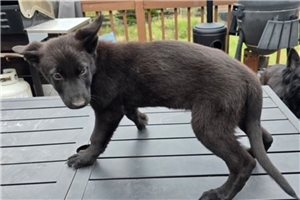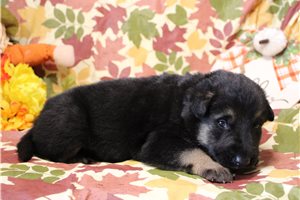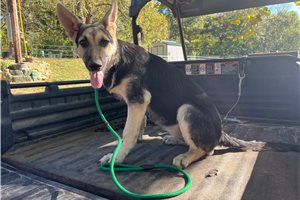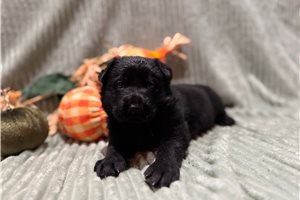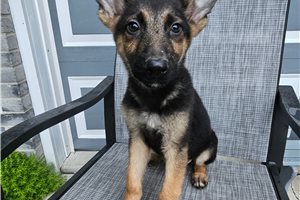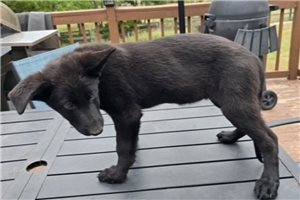
Pointed ears? Check. Strong and agile? Absolutely. Highly intelligent and loyal? You know it. German Shepherds and Belgian Malinois are both esteemed breeds, renowned for these characteristics, but what sets these two herding group dog breeds apart? While they share several similarities, they also have distinct traits that might sway future dog parents one way or the other. Is one better for family life or more independent-minded? Are German Shepherds bigger than Belgian Malinois? Are Belgian Malinois easier to train than German Shepherds? Whether you're a seasoned dog owner or just starting to research the best dog breed for you, we're here to break down key differences and surprising similarities between these two canine champions.
Size and Appearance
German Shepherds and Belgian Malinois are similar in height, with males standing between 24-26 inches and females between 22-24 inches. However, German Shepherds tend to weigh more. German Shepherd males may weigh up to 90 pounds and females up to 70 pounds. In comparison, Belgian Malinois males typically weigh between 60-80 pounds, and females between 40-60 pounds.
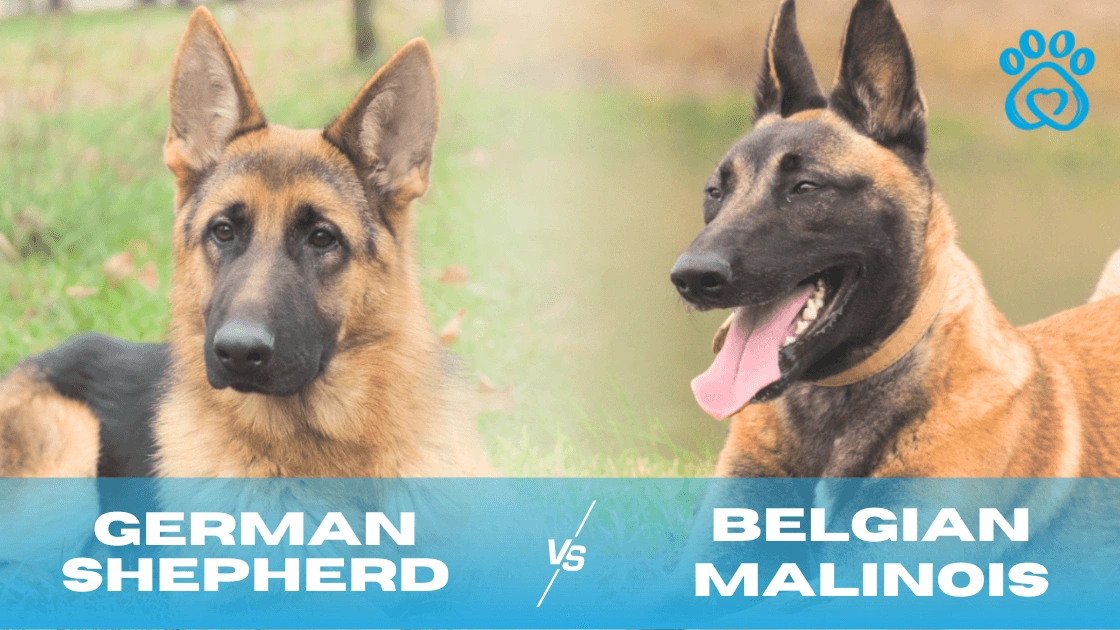
In terms of body structure, German Shepherds have a thicker physique and a deeper chest compared to Belgian Malinois. Their bones, joints, heads, and muscles are generally larger compared to the Belgian Malinois, but their physique is less visible due to their thicker double coat. German Shepherds have two body types: straight-back German Shepherds were originally bred as working dogs and slant-back (or sloped-back) German Shepherds are more commonly bred in show-lines. According to Orthodog.com, "a sloping back causes hindquarters to become more angulate and, thus, prone to lower back pain," which may result in a higher chance of hip dysplasia in German Shepherds, although there is no concrete evidence to support this hypothesis.
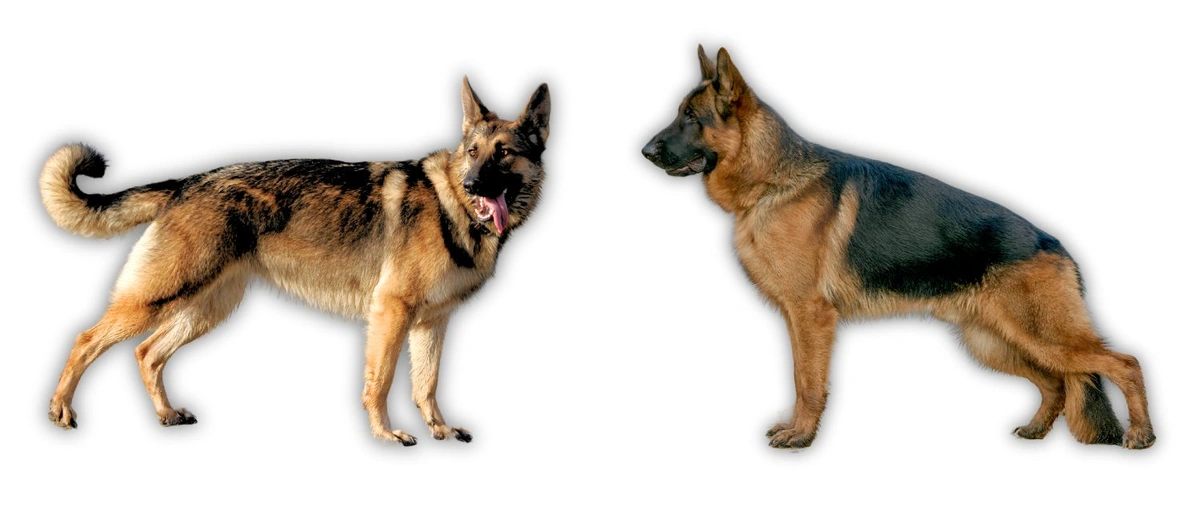
Belgian Malinois typically exhibit sharper features with an athletic, lean frame. Malinois have a double coat like German Shepherds, but their fur is usually shorter and sleeker. The head and snout of a Belgian Malinois is slightly smaller. Additionally, a Malinois' ears tend to be a bit narrower and pointer compared to the wider, triangular ears of the German Shepherd. Healthy, purebred Belgian Malinois only have a straight-back.
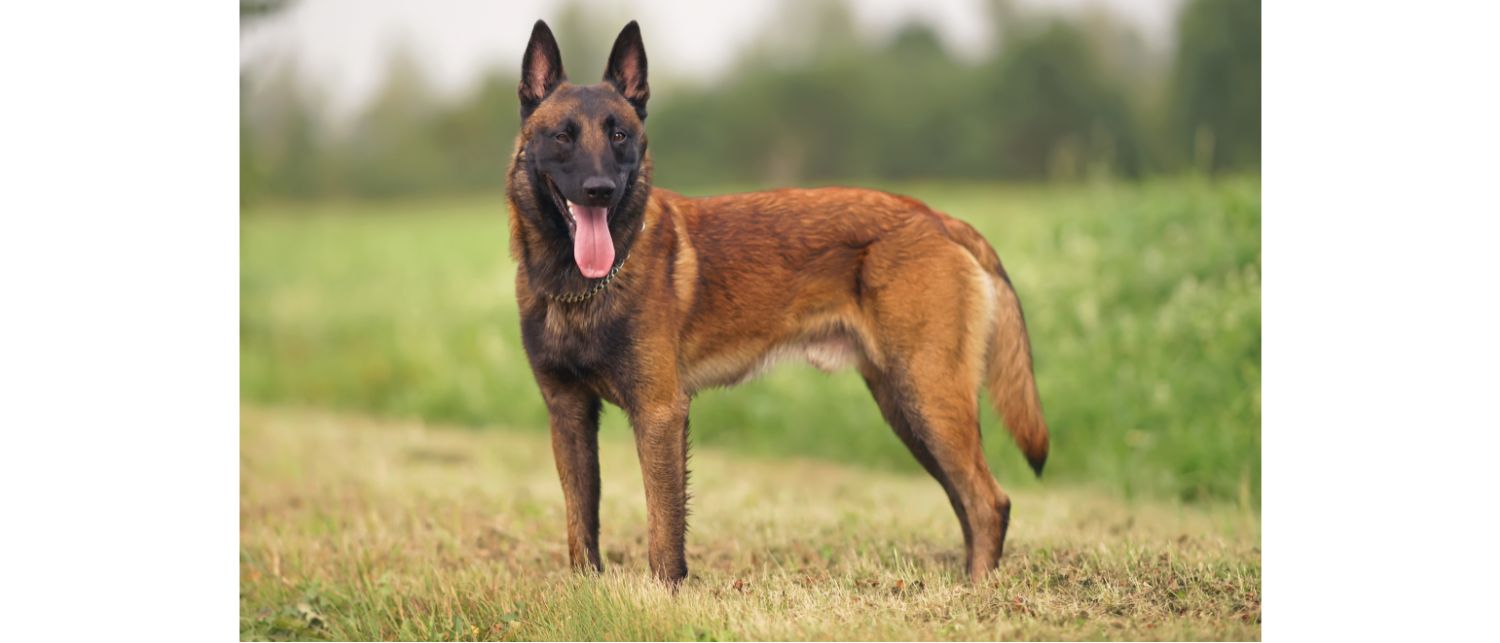
The AKC-recognized colors for German Shepherds include: Black, Sable, Black and Tan, White, and more. The AKC-recognized colors for Belgian Malinois are: Fawn and Mahogany. The fawn and mahogany color variations of the Belgian Malinois greatly resemble the common black and tan coloration of German Shepherds, which is one of the reasons the breeds can be easily confused.
Temperament and Family Compatibility
German Shepherds and Belgian Malinois are both known for their protective and confident nature. They carry themselves with a sense of purpose and are rarely caught off guard. These characteristics, along with their intelligence, trainability, and strength, make them top choices for K9 and military canine duties. In fact, a Belgian Shepherd mix dog named Niki won the 2025 Hero Dog Awards Militay category!
German Shepherds are extremely loyal to their pack and do very well with families and children. They can easily make friends with anyone, although they may be reserved at first around strangers. This doesn't mean they wouldn't like to be introduced! As an owner, it's important to display a calm, assured personality for a German Shepherd to mimic. They are highly in tune with the energy around them and can adapt quickly to their environment.
Belgian Malinois are also protectors and loyal guardians. However, they tend to bond more closely with one specific person rather than the entire family. This trait makes German Shepherds generally more suitable for households with children, as they integrate well into family life. Belgian Malinois are prideful and determined canines with less eagerness to please others. They are goal-oriented and routined, demanding engagement and praise from their owners.
So which one’s the better fit? If you want a highly trainable, loyal companion who blends into family life and can switch from play mode to protector in a heartbeat, the German Shepherd might be your match. But if you’re an active, experienced dog owner looking for a next-level working partner who thrives on challenge and one-on-one connection, the Belgian Malinois could be your dream dog. Just know what you’re signing up for, these pups don’t come with an off switch!
Energy Levels and Exercise Needs
Both breeds are high-energy and require regular physical and mental stimulation. However, the Belgian Malinois exhibits one of the highest energy levels among dog breeds. Their energy is matched by their athleticism; Belgian Malinois dogs can be trained to jump over 30 feet and scale 20-foot walls. German Shepherds, being larger, do not have the same range of athletic ability, but they may be stronger and relied on for chasing and tackling criminals. Both of these breeds do best with owners who find ways to provide extensive exercise and engagement for the dog. Without enough exercise and stimulation, both breeds may act in destructive behaviors, such as tearing furniture, scratching surfaces, digging, and aggression from agitation.
Belgian Malinois have better endurance than German Shepherds and they can sustain longer periods of exercise, like longer walks or intensive workouus. Since German Shepherds are heavier with longer coats, and are more prone to hip and joint issues or overheating. Instead, they prefer quick, dynamic exercises like fetch, chasing, and tug-of-war. Belgian Malinois enjoy these activities too! German Shepherd owners need to be more mindful of how long and strenuous exercising is.
Training and Intelligence
German Shepherds and Belgian Malinois are highly intelligent and quick to learn, making early training and socialization crucial for both breeds to ensure well-rounded behavior. Advanced training as service dogs is possible as they thrive on communication, firm leadership, clear tasks, and frequent reinforcement. Without a habitual training regimen, German Shepherds and Belgian Malinois may resort to bad habits and undesired behaviors. Belgian Malinois are incredibly focused and excel in activities requiring agility and speed, such as chasing, jumping, and climbing. Malinois display a higher prey drive than German Shepherds, which are often calmer and more protective. This makes German Shepherds excellent family and guard dogs and more suitable dogs to be around kids or serve as therapy dogs (Hollywood Feed).
German Shepherds rank among the top dog breeds for obedience and working intelligence. They are often cited as the 2nd–3rd most intelligent breed in Stanley Coren’s rankings. Bred as herding dogs, German Shepherds have an instinct to work closely with people. They often serve in police, military, search-and-rescue, guard, and service roles. They are typically highly trainable and eager to please, with a natural tendency to “think before they act” and a reliable “off-switch” when at rest.
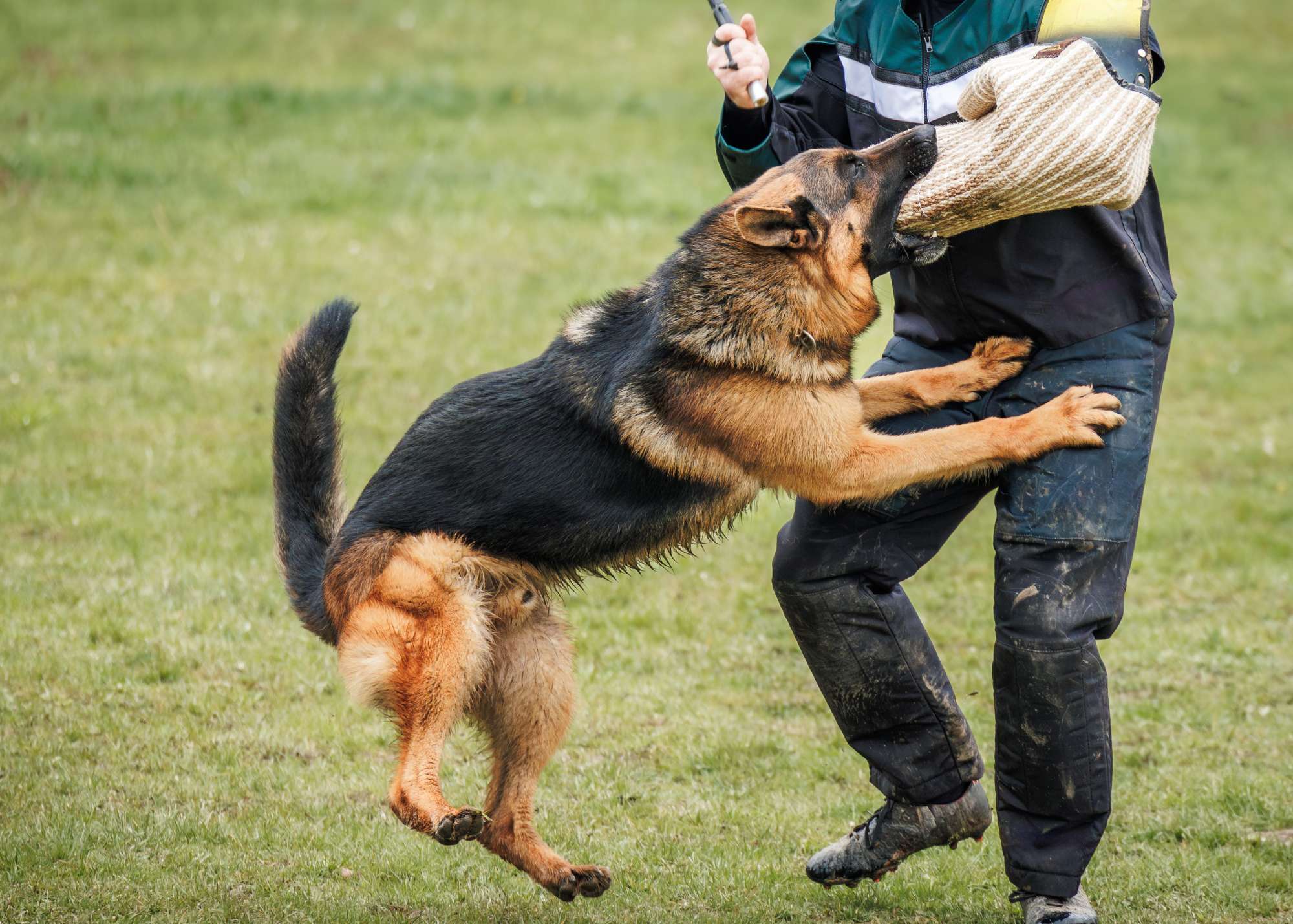
Similarly, Belgian Malinois are extremely intelligent and highly trainable. In fact, a 2023 University of Helsinki study found Malinois outperformed all other breeds on cognitive tests (pointing, problem-solving, memory). Malinois have a very strong work drive and high energy level – often described as “laser-like” focus on the job. This makes them extremely capable (they learn complex commands quickly and adapt to new situations), but it also means they require intensive, consistent training. Effective Malinois training emphasizes early, continuous socialization and positive, reward-based methods. Trainers recommend giving them plenty of exercise and problem-solving activities; without this, Malinois can become frustrated and even destructive.
Grooming and Shedding
Both Belgian Malinoiis and Germand Shepherds have double coats that shed year-round, with more significant shedding periods occurring twice a year. The Belgian Malinois coat is shorter and can be easier to maintain than a German Shepherd's. A regular grooming schedule incorporating weekly brushing and occasional baths helps manage the heavy shedding and maintain these breeds' coat and skin health.
German Shepherds have a thick double coat (coarse outer coat with a dense undercoat) that can be medium or long. This coat provides insulation but also means heavy shedding year-round, with “blow-out” shedding seasons in spring and fall. Regular brushing (at least once or twice weekly) is recommended to remove loose fur and prevent matting. Weekly grooming sessions will help keep the undercoat healthy and control shedding. German Shepherds should not be bathed too often, since frequent baths can strip a dog's coat’s natural oils.
The Malinois has a short, straight double coat with a dense undercoat, but it is closer-lying than a German Shepherd's. Grooming needs are relatively low. The Belgian Malinois is similar to “wash-and-wear” dog breeds, needing limited brushing per month to stay clean and minimize shedding. A firm bristle brush or grooming mitt will remove loose hairs effectively. Malinois dogs generally only need a bath once or two per year, routine nail trims, and ear cleanings as needed. They do shed, but usually in moderate amounts, with the most noticeable shedding in spring and fall. In practical terms, Malinois grooming is simpler than the needs of German Shepherds; few tangles, no feathering or long guard hairs, and less fur accumulation.
Talk to your vet about the best shampoos for dogs with double coats and the best conditioners for dogs with double coats. Choosing the right product may depend on your dog's current diet and health history, like allergies. Also, consider any scents or active ingredients used, and make sure that neither you nor your pet are sensitive to the contents of the product.
Lifespan and Health Considerations
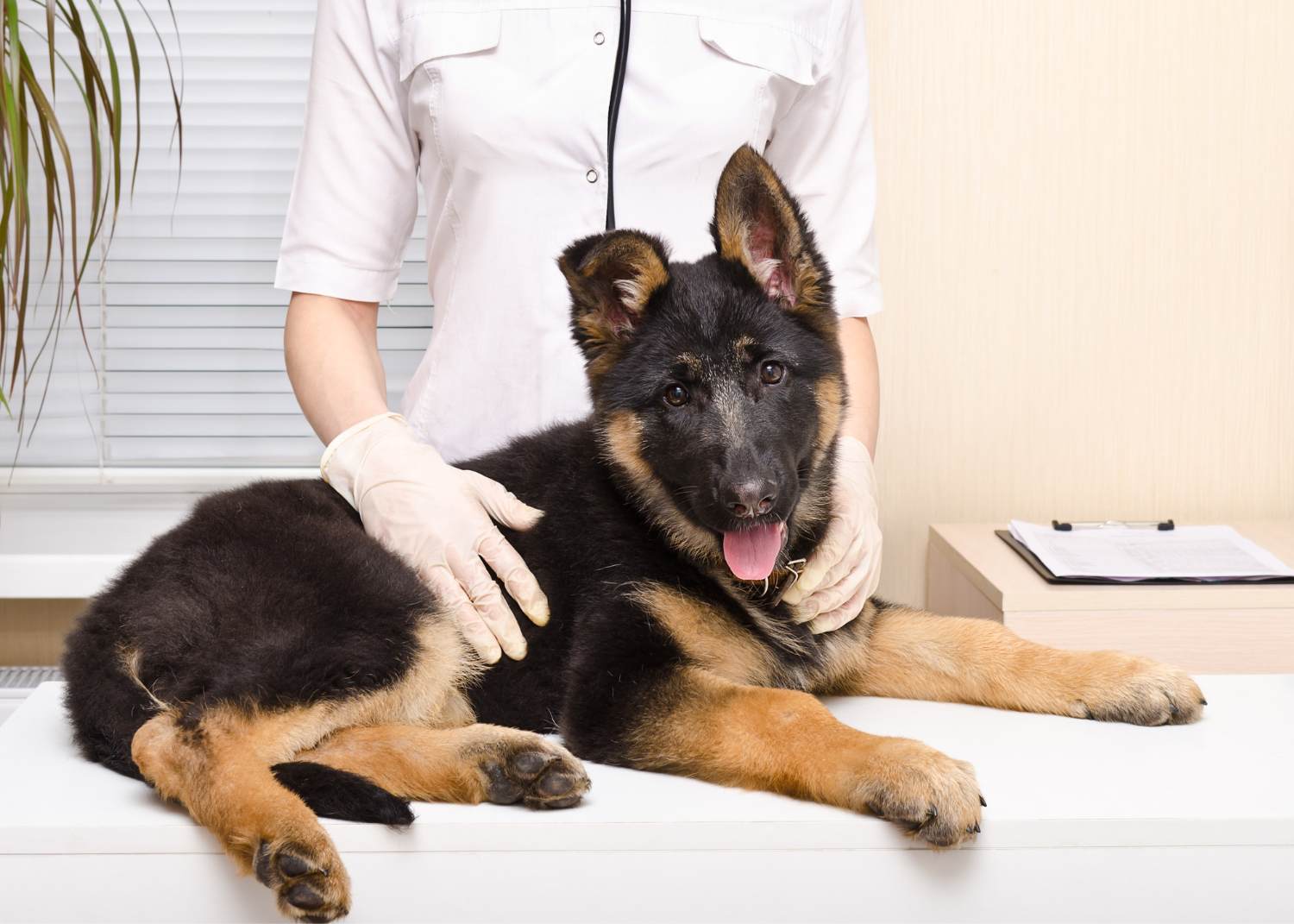
German Shepherds live between 7-10 years on average, however, many owners report enjoying upwards of 12-14 years with their German Shepherd. The breed is prone to health issues such as hip and elbow dysplasia, arthritis, cataracts, and digestive problems like bloat. They may also be susceptible to genetic disorders like von Willebrand's disease and exocrine pancreatic insufficiency (EPI). Puppies with poor growth or rapid weight gain are especially at risk. The Orthopedic Foundation for Animals (OFA) recommends X-ray screening of major joints like hips and elbows. Deep-chested breeds like German Shepherds are also susceptible to gastric dilatation-volvulus, a life-threatening twist of the stomach. Owners should watch for signs like a distended abdomen or retching and may consider prophylactic gastropexy surgery during spay/neuter. Reputable breeders screen breeding stock for genetic health, commonly resorting to OFA hip/elbow evaluations and DNA testing for DM, for example. New owners should ask breeders for hip/elbow and genetic clearances and maintain annual veterinary exams. Regular exercise and a healthy weight can mitigate joint problems.
The average lifespan of a Belgian Malinois is 10-14 years. Belgian Malinois are considered healthier purebreds than German Shepherds, although they are also prone to hip and elbow dysplasia and cataracts. Other health concerns for Malinois are progressive retinal atrophy (PRA), canine hypothyroidism, and hemangiosarcoma. Health screening in Malinois focuses on the hips and eyes. The VCA notes breeders should obtain OFA hip clearances and CERF eye clearances for Malinois. Regular vet check-ups (including eye exams, hip palpation, and cardiac auscultation) are recommended. Keeping Malinois lean and fit helps lower dysplasia risk.
Conclusion
Choosing between a German Shepherd and a Belgian Malinois depends on various factors, including your lifestyle, experience with dogs, and the environment you can provide. German Shepherds may be more suitable for families seeking a protective yet affectionate companion, while Belgian Malinois might appeal to individuals looking for an energetic and focused working partner. Both breeds require dedicated training, socialization, and ample exercise to thrive as well-balanced companions. German Shepherds are also better suited to spacious homes due to their larger size. Belgian Malinois may be comfortable in a smaller environment, given that they are allowed sufficient time outdoors to explore and exercise. Note that both are commonly restricted dog breeds from apartment living.
Rest assured, Pawrade almost always has both German Shepherd puppies for sale and Belgian Malinois puppies for sale from reputable, responsible breeders. You are highly encouraged to speak to a puppy specialist and ask specific questions about the bloodlines and personalities of specific puppies to ensure a good match for you and the puppy before making a commitment!