Dogs have long been considered man’s best friend, but some dogs go above and beyond (whether they mean to or not) to find fame and glory! Throughout history, stories of our faithful friends making headlines and winning notoriety have captivated our hearts. Oftentimes, those stories are turned into great dog books and amazing movies about dogs, though generally with some deviation. Here is a list of 10 famous dogs from the last century! Fair warning, not all of these stories are happy.
1. Balto - Alaskan Husky
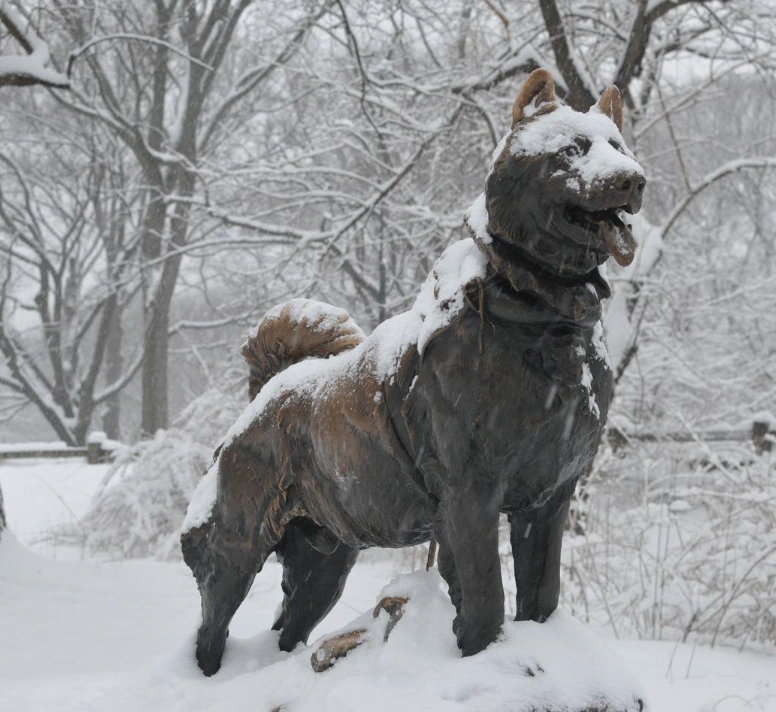
In 1925, a diphtheria outbreak struck the town of Nome, Alaska. The only medicine available to treat the outbreak was in Anchorage, more than 500 miles away. Officials decided to deliver the medicine by train part of the way and a musher relay would carry the serum the rest of the way. More than 20 mushers participated in the 1925 serum run to Nome, facing -23° F weather and strong winds. Balto’s team, led by Gunnar Kaasen, was in charge of the second-to-last leg of the relay. However, when Kaasen and his team reached the station to pass off the medicine, the musher and his team were asleep. To save time, Kaasen decided to press on, completing the last leg of the relay himself and adding 25 extra miles to his route. Miraculously, none of the medicine had been damaged along the way, and Balto, as lead dog, was lauded as a hero. Ten months later, a statue of Balto was erected in Central Park, New York City, where it still stands today.
Unfortunately, the story may not be all that we think it is. A surprising amount of controversy has surrounded the feat. Some have accused Kaasen of trying to be a glory hog by completing the last leg himself instead of passing off the medicine to the next musher, Ed Rohn. There is also considerable ire at the amount of attention and publicity that Balto and Kaasen received despite the efforts of the other dog sled teams, namely Leonhard Seppala and his lead dog Togo, who covered more distance than any other team over some of the most dangerous territory.
Nevertheless, Balto is undoubtedly one of the most famous dogs in American history. Apart from his statue in Central Park, he is also on display at the Cleveland Museum of Natural History. Additionally, various depictions with a variety of accuracy feature Balto, most notably the 1995 feature film from Universal Studios.
2. Hachiko - White Akita
Hachiko, the white Akita, was born on November 10, 1923. Hidesaburo Ueno, a professor in the agriculture department at the Tokyo Imperial University, took him in as a pet. Every day, Ueno would commute to work. Every day, Hachiko would leave the house at the end of the day to greet him at Shibuya Station. The pair continued this routine until May 21, 1925, when Ueno didn’t return. He had suffered a cerebral hemorrhage while giving a lecture and died.
For the next nine years, nine months, and 15 days (for a grand total of 3,575 days), Hachiko returned to Shibuya Station at the appointed time and awaited his friend, arriving precisely when the train was due. Regular commuters began to notice Hachiko, some of whom remembered seeing the pair together. Initial reactions weren’t entirely kind until he appeared in a news article in 1932. Afterward, people began to bring Hachiko treats and food.
One of Ueno’s students, Hirokichi Saito, who had developed expertise on the Akita breed, noticed Hachiko at the station and followed him home. There, he learned all about Hachiko’s life. After this meeting, Saito published a census of purebred Akitas in Japan, finding only 30 and several articles on Akitas’ incredible loyalty. This placed Hachiko in the national spotlight and he became a sensation.
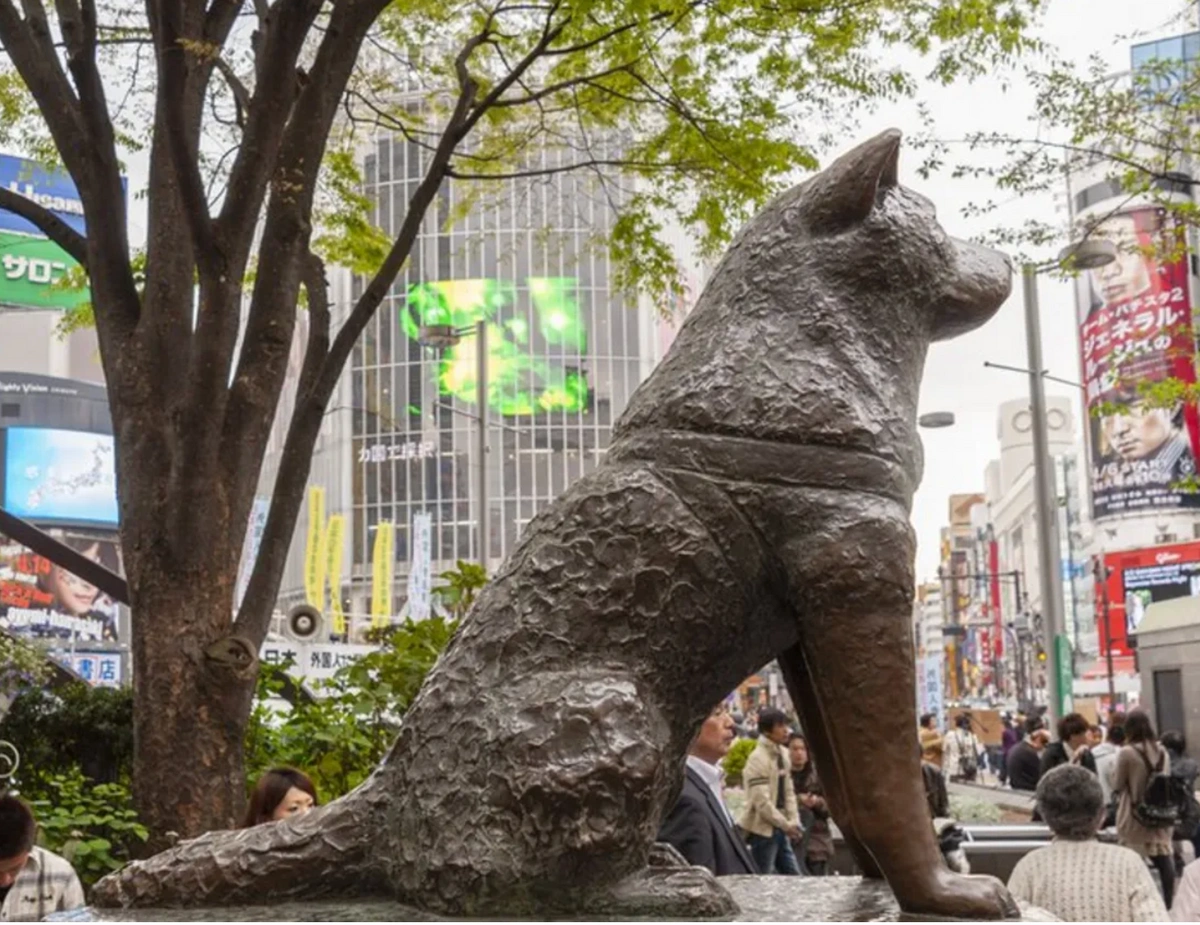
His faithfulness to his master’s memory impressed the Japanese as a spirit of family loyalty, which everyone should strive to achieve. Teachers and parents began to use his vigil as an example for children to follow. A sculpture was even rendered of Hachiko. All of these things helped to raise awareness of the Akita breed. Eventually, Hachiko’s faithfulness became a national symbol of loyalty, particularly to the person and institution of the Emperors.
Tragically, Hachiko was found dead on March 8, 1935, on a street in Shibuya. The cause was unclear until 2011 when scientists determined that Hachiko had both terminal cancer and a filaria infection. His remains were cremated, and his ashes were buried in Tokyo next to his beloved master, Ueno. The original statue that had been erected in 1934 was recycled for the war effort in WWII. A new statue was built in 1948 and still stands as a popular meeting spot. The entrance near the statue was renamed “Hachiko-guchi” in his honor.
3. Salty and Roselle - Labrador Retriever
Salty and Roselle were two guide dogs who were with their owners in the World Trade Center during the 9/11 attacks. Salty was on the 71st floor of Tower 1 with his owner, Omar Rivera. The entire time, Salty faithfully remained by his owner’s side despite the efforts of coworkers trying to be helpful by taking the leash. Together with Rivera’s supervisor, Salty led his owner to safety.
Meanwhile, on the 78th floor, Roselle was asleep under her owner’s desk when the attack began. After Flight 11 crashed several stories above them, Roselle calmly helped her owner, Michael Hingson, to the stairwell despite the noise, smoke, and chaos. She led her owner and 30 others down the stairwell, passing the ascending firemen about halfway down. The descent took about an hour, after which they emerged safely from the tower. Just thereafter, Tower 2 collapsed, scattering dust and debris. Yet Roselle remained calm and steadfast, utterly focused on her job and her owner. She led her owner to a nearby subway station, where they helped a woman blinded by debris. Once they made it home, Roselle began to play with her doggy buddy, Linnie, as if nothing catastrophic had happened.
On March 5, 2002, the pair were awarded a joint Dickin Medal (which is referred to as the animal equivalent of the Victoria Cross) by the People’s Dispensary for Sick Animals. This was only the second time this had happened, the first time being to a pair of Boxers in 1946. Their citation read, “For remaining loyally at the side of their blind owners, courageously leading them down more than 70 floors of the World Trade Center and to a place of safety following the terrorist attack on New York on September 11, 2001.” The pair was also awarded a “Partners in Courage” award by the Guiding Eyes for the Blind Association. Roselle was posthumously named American Hero Dog of the Year in 2011 by the American Humane Society. These two amazing dogs will forever be remembered as two dog heroes of 9/11.

4. Laika - Husky
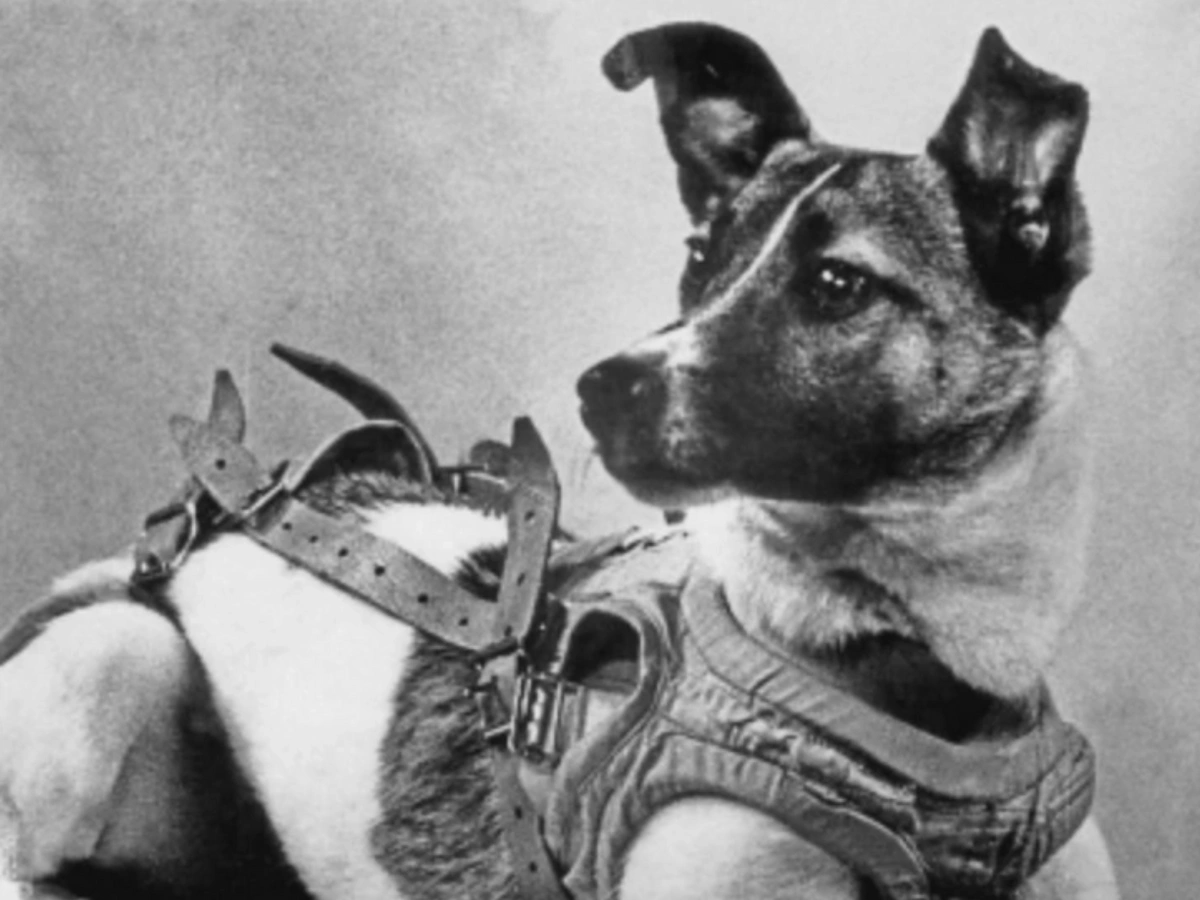
Can you imagine a homeless person being asked to go to space? Well, that’s exactly what happened to Laika! She was a Soviet space dog who was the first to orbit the Earth on November 3, 1957, aboard the Sputnik 2. Laika was found as a stray wandering the streets of Moscow. She was a mutt of about three years of age. Her true pedigree is unknown, although it is generally accepted that she was part Husky or other Nordic breed and possibly part Terrier.
Scientists chose strays because they assumed that such animals had already learned to endure harsh conditions, such as hunger and extreme cold. She was given several nicknames, such as Kudryavka (Little Curly), Zhuchka (Little Bug), and Limonchik (Little Lemon), but the name Laika was popularized worldwide. The American press dubbed her Muttnik. Laika was trained with two other dogs, Albina and Mushka.
At the time of the mission, little was known about the effects of space flight on living creatures. Like any experiment, tests were done on animals before humans, and Laika was just such an animal. Engineers viewed this as a necessary precursor to human missions. The experiment that saw Laika in space aimed to prove that a living organism could survive being launched into orbit and continue to function under weakened gravity and increased radiation, providing scientists with some of the first data on the biological effects of spaceflight.
The dogs were put under less than comfortable conditions as part of their training. They were kept in progressively smaller cages for periods of up to 20 days. This extensive confinement caused them to stop urinating or defecating, made them restless, and made their overall condition deteriorate. They were placed in centrifuges that simulated the acceleration of a rocket launch and machines that mimicked the noises of the spacecraft. This made their pulses double and their blood pressure increased dramatically. Sadly, Laika was never expected to survive.
Laika was chosen as the “flight dog” to contribute to science on a one-way mission to space. Albina was Laika’s backup, and Mushka stayed on the ground to act as a control. One of the technicians later stated, “Before closing the hatch, we kissed her nose and wished her bon voyage, knowing that she would not survive the flight.” For years, the Soviet Union gave conflicting reports about her death, stating that she had died from asphyxia when the batteries failed or that she had been euthanized. It wasn’t until 2002 that it was revealed by one of the scientists that Laika had died from overheating. Due to the rushed job that was Sputnik 2, it was practically impossible to create a reliable temperature control system.
The ethical issues raised by this event went largely unaddressed for some time. Newspaper clippings from 1957 show that most of the press was focused on the political perspective due to the Soviet-U.S. Space Race, while Laika’s health and retrieval (or lack thereof) only became an issue later. Still, debate was sparked about the ethical treatment of animals for the furtherance of science. Future space missions carrying dogs would be designed to be recovered, unlike Sputnik 2, which was never designed to be recovered and disintegrated on re-entry five months after launch. Laika is memorialized in the form of a statue and plaque at the Russian Cosmonaut training facility as well as a place in the Monument to the Conquerors of Space in Moscow.
5. Endal - Labrador Retriever
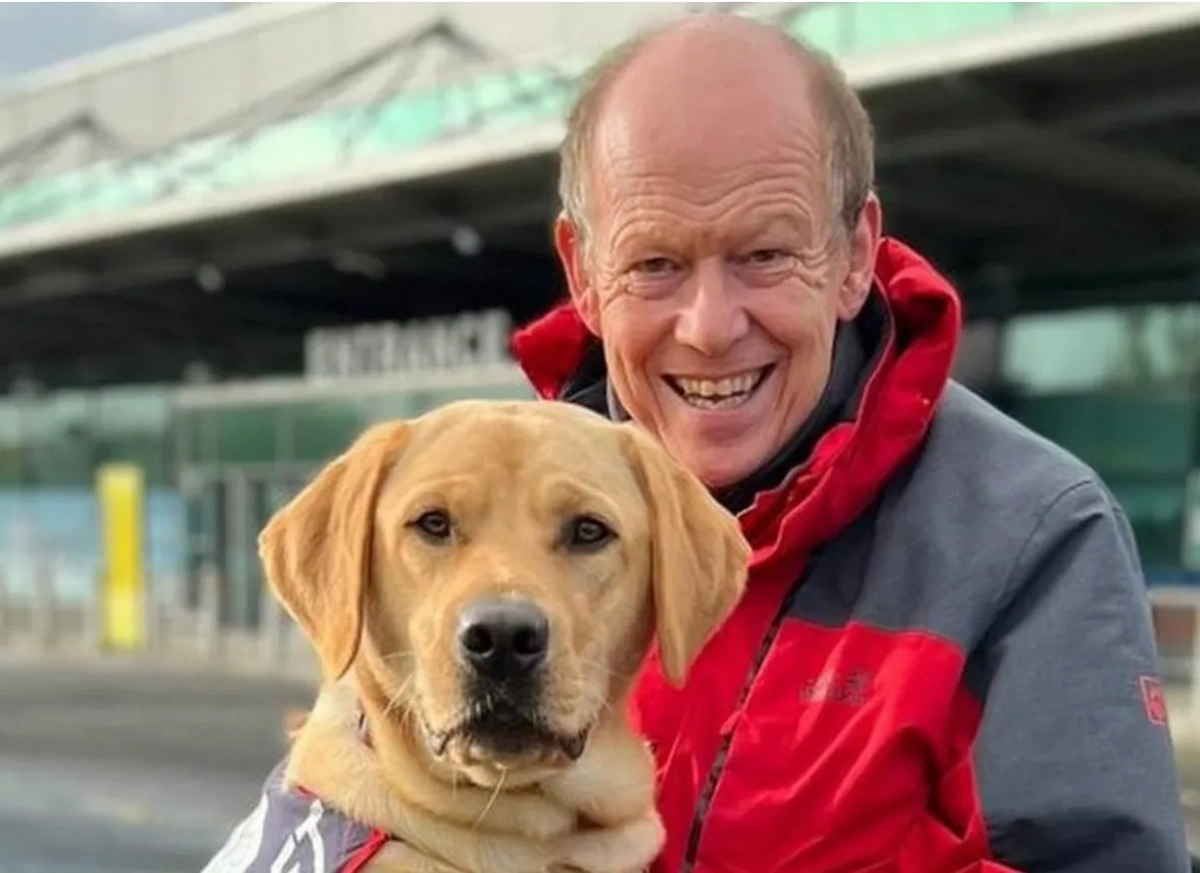
There are service dogs, and then there is Endal. Endal was a yellow Lab who was born with a debilitating joint condition called osteochondrosis in both front legs, which brought his initial service dog training into question. However, Endal proved smart enough to qualify as a fully operational and accredited service dog. He became attached to ex-Royal Navy Chief Petty Officer Allen Parton in the late 90s.
Parton had sustained a serious head injury while in the service. This resulted in 50% memory loss, inability to reliably make new memories for more than two days, speech troubles, and confinement to a wheelchair, among other problems. Fortunately for Parton, he had Endal. Endal was able to understand hundreds of instructions and service dog tasks, most of which were signed. He could retrieve items from store shelves, operate buttons and switches, load and empty the washing machine, and operate an ATM (including returning the card to the wallet)!
In an excerpt from Able Magazine, Parton described: “When I couldn't talk, he learned sign language – if I touched my head I wanted my hat, if I touched my face it was for the razor. He learned hundreds of commands in signing. Eventually one day, in this very silent world we lived in, I grunted. That was like an electric shock going through him, he was so excited. They said I'd never speak again, but Endal just dragged the speech out of me." Parton also stated that Endal’s ability to comprehend his wishes and needs showed when they first met, and this was responsible for helping him recover from the initial deep depression and trauma caused by his disability.
Over the years, Endal would be the subject of national attention. He was featured in TV shows, documentaries, books, and even on National Geographic. He earned ten awards in five years, including “Dog of the Year” (Prodog), “Dog of the Millenium” (Dogs Today), PDSA Gold Medal, and the Gold Blue Peter Badge (one of only two ever awarded to a dog). Endal was also the first dog to ride the London Eye and the first known dog to be able to operate an ATM card. He also did extensive charity work as an ambassador for Canine Partners, Labrador Rescue, and Dog Theft Action, among others.
On March 13, 2009, at the age of 13, Endal’s age finally caught up with him, and he had to be put down. He had suffered a stroke, and his arthritis had become quite severe towards the end. He is buried at Ilford PDSA Animal Cemetery in London. In his honor, the Endal Awards were created to celebrate loyalty and devotion to duty in the form of a medal, which is issued at an annual ceremony in the London Pet Show.
6. Rin Tin Tin - German Shepherd
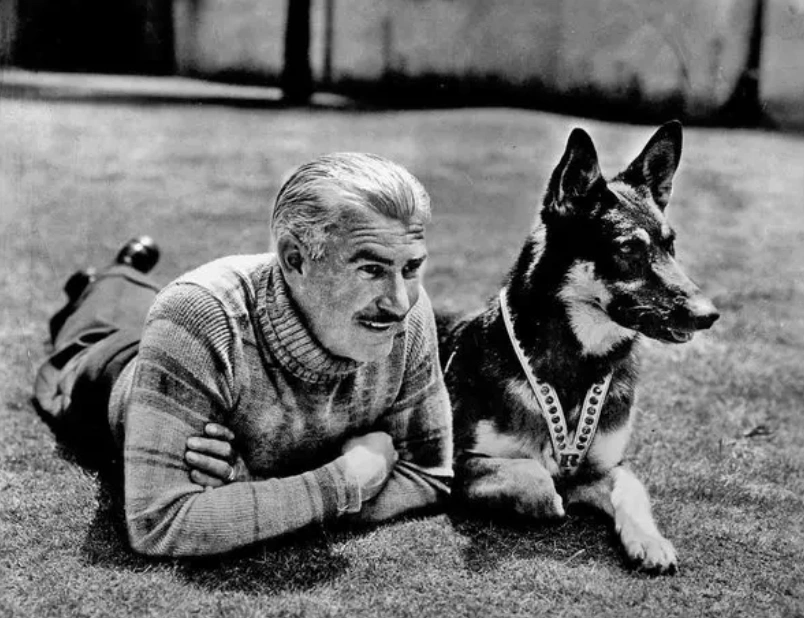
French-born German Shepherd Rin Tin Tin lived as an international movie star in the 20s. He was rescued from a WWI battlefield by American soldier Lee Duncan, who nicknamed him “Rinty.” Duncan trained Rinty and obtained silent film work for the dog. Rin Tin Tin was an immediate box-office hit and would go on to appear in 27 Hollywood films, garnering worldwide fame. He was also partially responsible for advancing the popularity of the German Shepherd breed as a family pet. His profitability contributed to the success of Warner Bros Studios.
Duncan found Rin Tin Tin shortly before the end of WWI, and they settled in Los Angeles. Duncan began to enter the dog in dog shows, even becoming a founding member of the Shepherd Dog Club of California. Rin Tin Tin showed remarkable agility but also some aggressive behavior. After a poor performance and a serious injury, he was taken off the circuit for nearly ten months. Upon his return, he was filmed making a winning leap by an acquaintance of Duncan’s. Seeing this, Duncan became convinced that Rin Tin Tin could make it as a successful film dog.
Rin Tin Tin’s first break came in 1922 with the film The Man from Hell’s River. Under the guidance of Duncan’s voice commands, the production crew found Rin Tin Tin very easy to work with. He picked up several other small roles before landing his first starring role in Where the North Begins in 1923. The film was a huge success and is sometimes credited with saving Warner Bros. from bankruptcy. Twenty-four more screen appearances followed, every one of them being a major profit for the studio. Rin Tin Tin came to be known as the “mortgage lifter” by studio insiders.
He became a much sought-after film dog and was signed on for quite a few endorsement deals. Meanwhile, Warner Bros. fielded fan letters by the thousands, which were responded to with a glossy portrait signed with a pawprint and a message written by Duncan: “Most faithfully, Rin Tin Tin.” At the time, silent films were easily adaptable to other countries, so his films were widely distributed. He became the most popular actor with the film audience in Berlin. He was even mentioned in Anne Frank’s diary. Today, Rin Tin Tin is highly regarded as one of the best movie dogs in Hollywood history.
On August 10, 1932, Rin Tin Tin died in Duncan’s home in Los Angeles. Obituaries and articles about his life circulated in newspapers and magazines across the world. In the United States, regular programming was interrupted by a news bulletin relaying the story. The following day, an hour-long program about him was played. In 1960, Rin Tin Tin was honored with a star on the Hollywood Walk of Fame. However, Rin Tin Tin sired a legacy that continues. In fact, the current Rin Tin Tin is twelfth in line from the original silent film star and makes appearances across the country to promote responsible pet ownership. He was also awarded the American Humane Association Legacy Award in 2011.
7. Dempsey - American Pit Bull Terrier
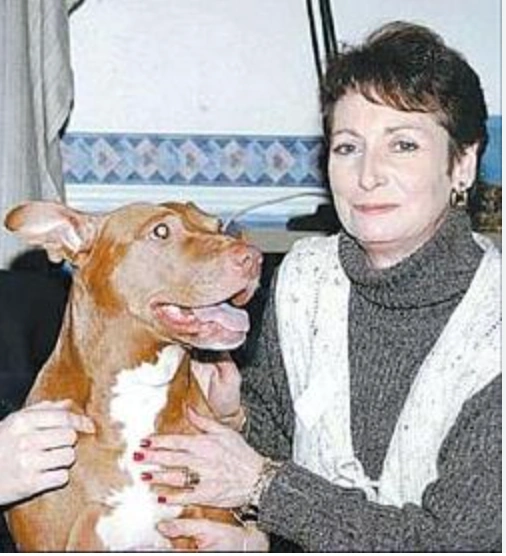
Not all dogs achieve fame through acts of loyalty, bravery, or brilliance. Not all famous dogs are involved in scientific breakthroughs. Sometimes, a dog achieves infamy (deserved or not), such as in the case of Dempsey the American Pit Bull Terrier. She was the subject of a high-profile challenge to the British Dangerous Dogs Act of 1991.
On a walk one evening in April 1992, Dempsey was kept on a lead and muzzled in accordance with the law. However, she began to act sick, and her owner, Dianne Fanneran, removed the muzzle so Dempsey could vomit. Two passing police officers noticed the unmuzzled dog and charged Fanneran under the Dangerous Dogs Act. Three months later, Dempsey was ordered to be euthanized for failing to be muzzled in a public place.
Appeals took three years before the Crown Court, the High Court, and the House of Lords, garnering media attention the whole way. The case was dismissed in November 1995 on a legal technicality, as Fanneran was unaware the original court hearing had taken place. This legal loophole meant that the case was thrown out. Dempsey was reprieved and lived eight more years, dying at the age of 17 in 2003.
8. Kabosu - Shiba Inu
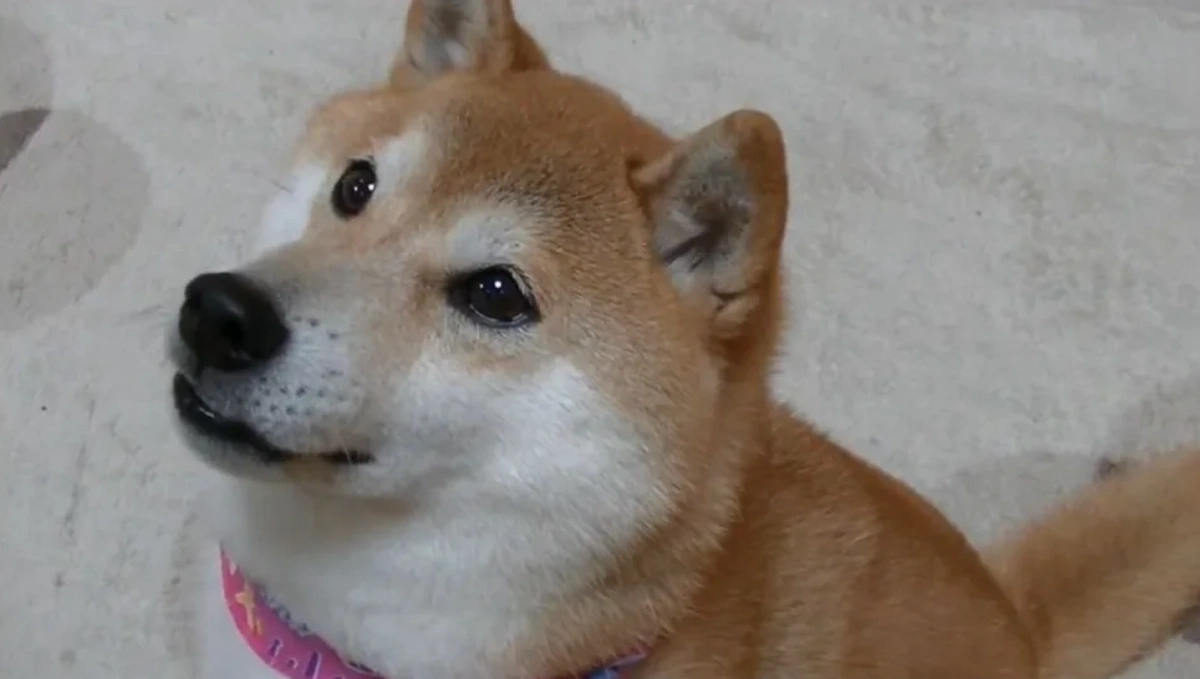
Most dogs featured in this article are from a pre-Internet age. They achieved great things or were involved in the extraordinary. However, in this digital age, where everything and everyone is connected, “going viral” has become relatively easy. First pictured in a blog post in 2010, Kabosu quickly became a new Internet meme, the Doge meme. She also became the face of Dogecoin, the cryptocurrency inspired by the meme.
But Kabosu was more than just an Internet meme at home in Japan. She and her owner, Atsuko Sato, were better known as pet and owner. Her blog, Taking a Walk with Kabosu-chan, was the fourth most popular pet-related blog in the country as of December 2013. “To be honest, some pictures are strange for me,” Sato explained. “Around me, nobody knows about the Doge meme.” In 2023, a park bench monument to Kabosu was installed in Sakura, Chiba, Japan. A manhole cover with her image was also installed in 2024. Kabosu died at the age of 18 on May 24, 2024.
9. Dookie - Corgi
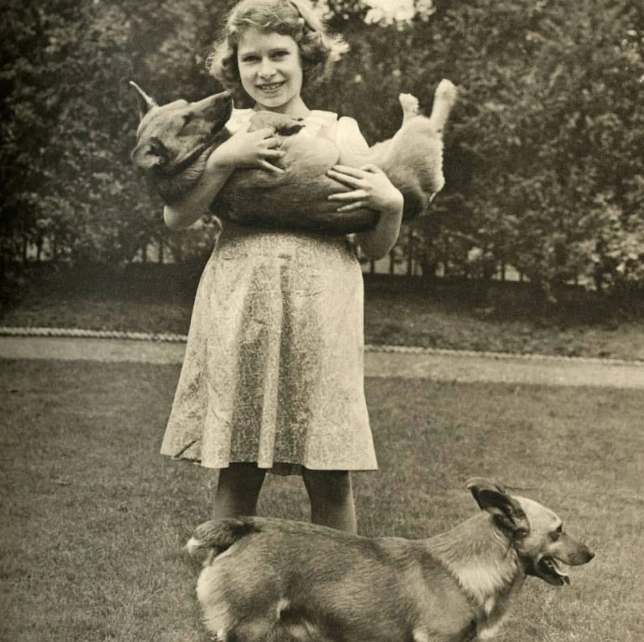
People generally associate Corgis with the Royal family, and Dookie is the reason. In 1933, King George IV purchased a Corgi for his daughters Elizabeth and Margaret. Thelma Gray of Rozavel Kennels brought three Corgi puppies to the family home for them to choose from. Dookie was chosen out of the three for his slightly longer tail.
He remained boarded with Thelma Gray until the family moved to Windsor. Gray and her staff joked that the dog had become so “snooty” after being selected by the Royal family and they began to call him “the Duke,” which ended up getting shortened to Dookie (originally, his name was Rozavel Golden Eagle). Dookie became a beloved member of the family and was described as “unquestionably the character of the Princesses’ delightful canine family.” The princesses even fed him by hand.
10. Bluey - Australian Cattle Dog
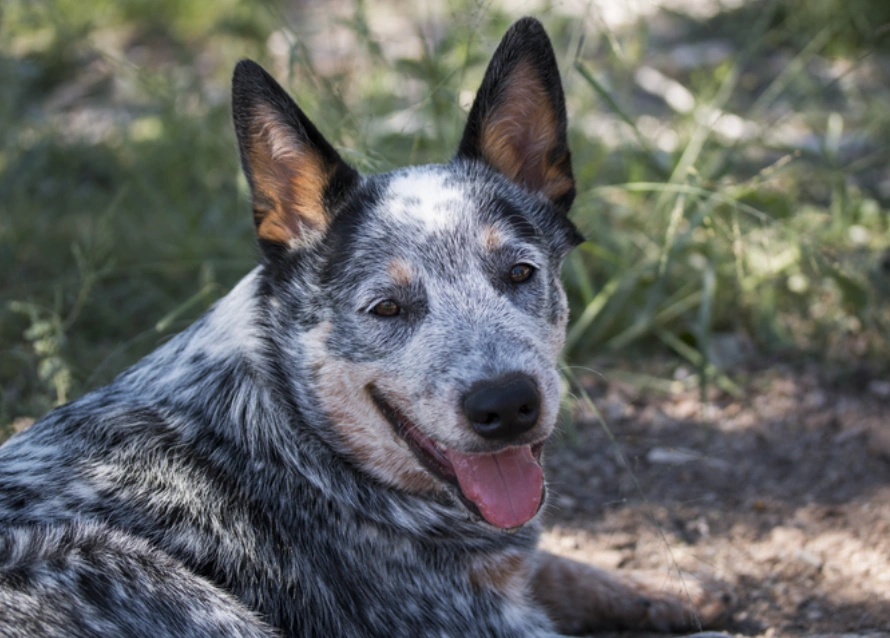
No. Not that Bluey, but related. The original Bluey was an Australian Cattle Dog. She holds the Guinness World Record as the oldest dog to have ever lived. Bluey was born June 7, 1910 in Australia and was acquired by William Hall shortly thereafter. After William died, Bluey passed on to his son Les and his wife. Bluey is said to have worked as a cattle and sheep dog for 20 years before retiring.
She has been challenged many times, but no challenger has been able to be independently verified, allowing Bluey to hold her title for 114 years! She was euthanized on November 14, 1939 at the incredible age of 29 years and five months. And yes, the fictional character, Bluey, is loosely modeled after this dog.
How will you make history?
These are but a fraction of a fraction of the stories that showcase the loyalty, companionship, and intelligence that can be found in man's best friend. Who knows? Perhaps there's a Pawrade pup just waiting for your call! You may not break world records, pioneer scientific innovations, or go on an epic quest together, but a puppy will surely leave a mark on your heart that will last a lifetime. Browse our vast selection of available puppies today and you'll find the one who will change the course of your hi-"story."