Miniature Poodle
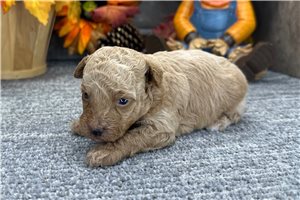
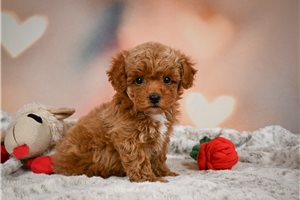
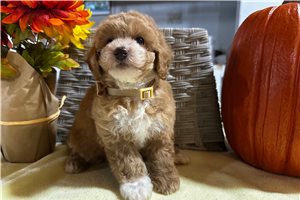
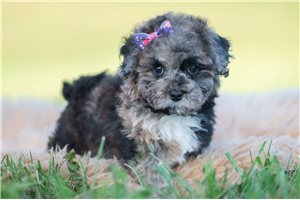
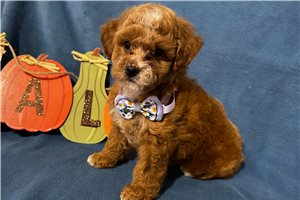
Miniature Poodle Puppies for Sale
Also called Caniche
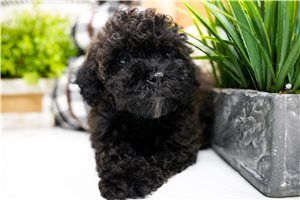
A Miniature Poodle moves with a light, springy step and carries its tail high, as proud of itself as any show dog. Under the curls is a clever dog with a real sense of humor, one that reads your moods and wants to be part of everything you do.
A Miniature Poodle moves with a light, springy step and carries its tail high, as proud of itself as any show dog. Under the curls is a clever dog with a real...A Miniature Poodle moves with a light, springy step and carries its tail high, as proud of itself as any show dog. Under the curls is a clever dog with a real sense of humor, one that reads your moods and wants to be part of everything you do.
Puppy first, every step of the way.
Available Miniature Poodle Puppies
 From our Miniature Poodle breeders
Health Guarantee
The health of your new puppy is our primary concern. Every puppy comes with a health guarantee for a happy, healthy start to life.
Learn About Our Health Guarantee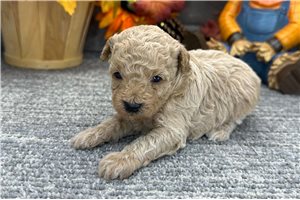
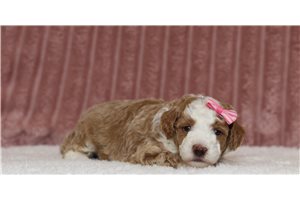
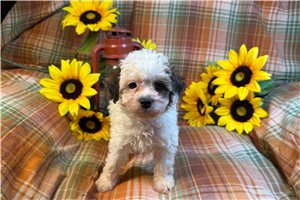

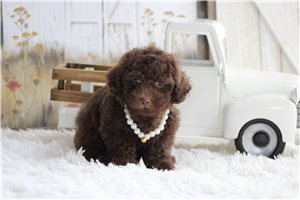
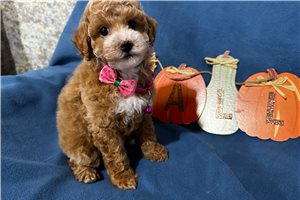
I just love her thank you for my beautiful baby girl🩷
Happier Puppies.
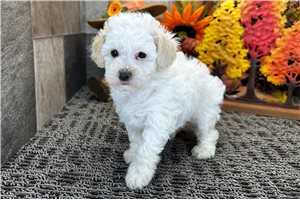
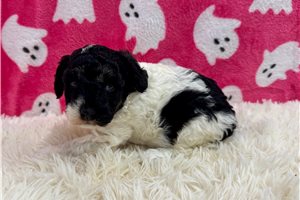
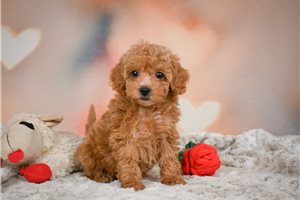
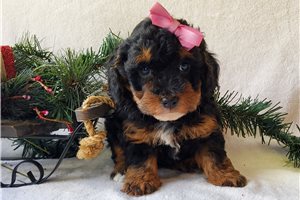
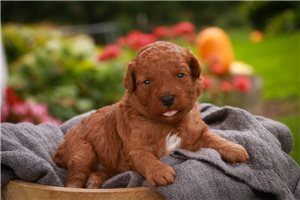
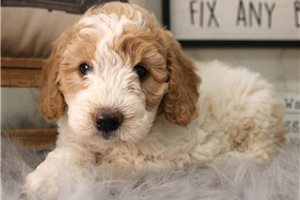
Pawrade helps coordinate safe travel from breeders nationwide, after a licensed-vet exam and with a health certificate for every state line.
Browse by Lifestyle
Find the breed that fits the life you're living.


Discover what real customers have to say about Pawrade! Check out our glowing testimonials.
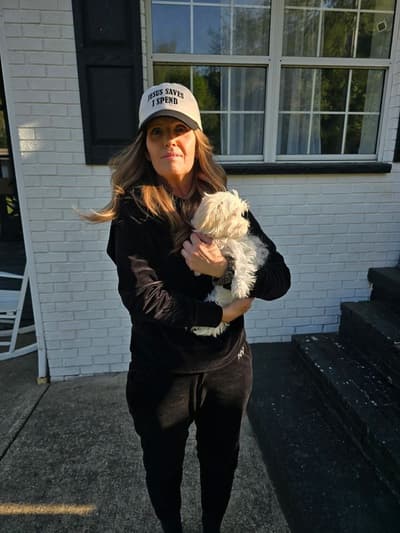 Katherine · Malti Poo - Maltipoo
“I just love her thank you for my beautiful baby girl🩷”
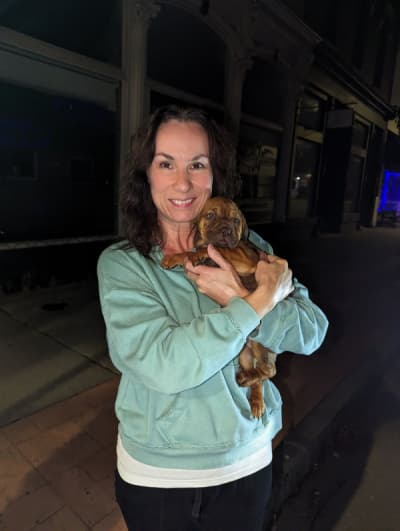 Latte · Mini Hippo
“I have nothing but good things to say! The transaction and delivery went smoothly. I was kept in formed throughput the prosses and my puppy is perfect. Very happy”
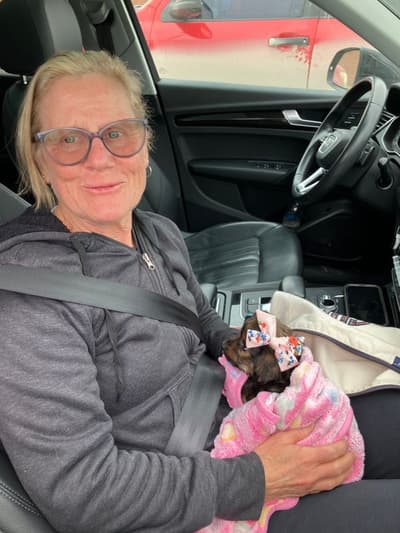 Quartney · Yorkiepoo - Yorkie Poo
“Very professional and helpful in helping us find the perfect puppy in a location we could pick up close to our home.”
 Bella · Golden Retriever
“I rarely leave reviews but I feel compelled to this time. My wife and I have had a wonderful experience Pawrade in purchasing our new puppy. The process was very straightforward and seamless. We utilized the ground transportation option from MO to WA and it was very easy and stress free.”
A real company, on the record, since 2003.
Puppy scams cost U.S. families millions every year. Here's how you know Pawrade isn't one: we're a named, audited business with a public track record you can check anywhere.
Pet Media, Inc. — Inc. audits three years of revenue to rank the list. Scam sites don't make it.
From verified buyers. We can reply, we can't delete.
*NH, NY, RI, SC and TN excluded
1 month of MetLife pet insurance included with every puppy.
A Safer, Happier Way to Find Your Puppy
We take the guesswork out of finding a reputable breeder so you can focus on what matters most — welcoming a healthy, happy puppy into your family.
No Puppy Mill
Pledge
We have zero tolerance toward puppy mills and partner only with honest, reputable breeders who raise puppies with love and compassion.
Learn More
Health
Guarantee
Every puppy is backed by our comprehensive health guarantee because a happy, healthy puppy leads to a lifetime of tail wags.
Learn More
Fight Puppy
Scams
Browse with confidence knowing every breeder is screened, every payment is secured through PetPay and every transaction is manually reviewed.
Learn MoreMiniature Poodle at a glance
Parents' weight
8–19 lb fathers 8–17 lb mothers Pawrade data: parents of puppies placed through Pawrade (breeder-reported) 3,464 records, 2020-04 to 2026-09
Miniature Poodle Characteristics
Miniature Poodle temperament
Personality and daily life
The Poodle began as a water dog that fetched ducks for hunters. The Miniature was bred down from it in the 18th century as a companion for people living in Paris and other European cities. It kept the retriever's brains and energy in a much smaller body.
Miniature Poodles are affectionate with children and fit well into active families. Most are friendly with visitors and get along with other dogs, especially when they meet plenty of both as puppies. They notice everything, though. Expect a bark when someone comes to the door, and teach a quiet cue early.
This is a very active little dog. Plan on about an hour of activity a day: long walks, a jog, fetch or a swim, plus training games that make it think. With that, a Miniature settles happily into an apartment or a small house.
Is a Miniature Poodle right for you?
Who a Miniature Poodle suits best
- you want a small, clever dog that likes to be in the middle of family life
- you would enjoy training together, from tricks to agility, obedience or rally
- you like a low-shedding coat and are happy to book regular clips
Among Pawrade Miniature Poodle buyers, most have a yard, about a quarter have children at home and nearly a third already have a dog.
- people at home for much of the day, because it wants close company
- daily walks and games, whether home is a house or an apartment
- calm, upbeat training that pays in treats and praise
- a family that likes a dog who speaks up when someone is at the door
Miniature Poodle breeders & placements
Miniature Poodles on Pawrade
Pawrade data: parents of puppies placed through Pawrade (breeder-reported). Placements and reviews come from Pawrade's records.
“Our experience has been good so far. We love our puppy and he’s become a part of our family. The breeder was very willing to take questions and help us acclimate our puppy. Everything has gone very smoothly so far!!”
Kaaron W. · Tampa, FL · 2026-08-14 Verified“Very satisfied with Pawrade. It's been a great experience with them. Very professional.”
Carmen h. · St Charles, MO · 2026-07-15 Verified“Using Pawrade to acquire my puppy was an amazing experience. The communication was prompt & accurate. Every step was explained in detail, including the delivery process. A number was always included in every email. The puppy is gorgeous & very affectionate! Thank you for making this very important decision a total success!!”
Lynn Y. · Long Beach, NY · 2026-07-07 VerifiedMiniature Poodle care & grooming
Care and training
The routine
| Coat and grooming careDaily | The trade-off is grooming: brush a longer coat every day, and plan on a clip every 4–6 weeks, at home or with a groomer. |
|---|---|
| Teeth and gumsDaily | A small jaw crowds the teeth, which makes gum and tooth disease more likely in small Poodles. Brush every day from the first days home, and book cleanings as needed. |
Coat and shedding
The coat is single, dense and curly, and it keeps growing. Shed hairs get caught in the curls instead of landing on the floor, so the breed sheds little.
Training
Poodles are very intelligent and eager to please, and they learn quickly. Keep sessions upbeat and consistent, and reward good choices every time. Harsh methods backfire with a dog this tuned in to your mood. Retrieving and swimming games suit the breed's water-dog roots, and many Miniatures shine in agility, obedience and rally.
Keeping them safe
- Cold weather: A short clip gives little warmth, so dry and warm your dog after a swim or a cold outing.
Staying ahead of things
- Eye changes · Routine vet checks: Keep up yearly eye exams with a veterinary eye specialist, because cataracts and slow sight loss run in the breed.
- Eye changes · Know when to call: Trouble seeing in dim light needs a vet visit, because night blindness can be the first sign of progressive retinal atrophy (PRA).
- Joints and movement · Routine vet checks: A skip in a hind leg's stride can mean a kneecap that slips, so ask your vet to feel the knees at every visit.
- Joints and movement · Keep them lean and cool: Keep your Miniature Poodle lean while it grows, which is kinder to its hips.
- Heart checks · Routine vet checks: Ask your vet to listen for a heart murmur at every yearly checkup, because a heart-valve problem often starts late in life.
Miniature Poodle puppy milestones
Growing up: your Miniature Poodle's first years
Before your puppy comes home
Your puppy is still with its litter, and most Miniature Poodle breeders on Pawrade get their litters used to small dogs, young children and the vacuum cleaner.
- Set up the crate in a room where the family spends time, or in your bedroom at night.
- Have a soft brush and a puppy toothbrush ready, because grooming and tooth care start in the first days.
- Find out what your puppy is eating now, and plan for several small meals a day.
Why it matters: A Miniature Poodle wants to be close to its people, so a crate near the family helps it settle.
Miniature Poodle note: That curly coat keeps growing for life, so a puppy that learns to enjoy brushing has an easier time at every clip.
Show the later milestones Hide the later milestones
The first week home
Everything is new, and very young puppies need to go out often. This week is about starting the routines your puppy will keep for life.
- Take your puppy out first thing in the morning, last thing at night and after every nap.
- Start short, gentle brushing sessions in the first week, and handle the face and feet daily so grooming never feels strange.
- Begin gentle mouth handling and tooth brushing now, so it becomes a normal part of the day.
Why it matters: Poodles learn quickly and want to please, so small daily successes build good habits fast.
Miniature Poodle note: A Miniature Poodle is tuned in to your mood, so praise and treats work far better than a raised voice.
Weeks 2 to 4
Your puppy is still in its first 3 months, the most important time for learning that new people, places, animals and things are safe.
- Plan a few calm, happy meetings each day with new people, friendly dogs, everyday sounds and new places.
- Join a puppy class, which can start as early as 7–8 weeks, as long as your puppy stays away from sick dogs.
- Teach a quiet cue early, because a Miniature Poodle notices everything and likes to announce visitors.
Why it matters: Poodles that meet plenty of other dogs while young are more likely to get along with them as adults.
Miniature Poodle note: Miniature Poodles are affectionate with children, so short, supervised visits with gentle kids are a good part of this stage.
3 to 4 months
Most puppies finish their vaccine series at about 16 weeks, as your vet advises. Bladder control is growing too, and a puppy can usually wait about as many hours as its age in months, so a 3-month-old can manage about 3 hours.
- Keep every vaccine appointment, because your own vet finishes the series your puppy started before it came home.
- Stretch the time between potty trips a little at a time, and keep going out after naps.
- Once your vet says the series is done, take your puppy to new places with new surfaces and sounds.
Why it matters: Frequent trips outside give your puppy many chances to get it right, and every success builds the habit.
Miniature Poodle note: A busy young Miniature Poodle loves training games that make it think, and they tire the mind as well as the legs.
4 to 6 months
Teething is under way, with baby teeth falling out and adult teeth coming in from about 12 weeks. Chewing is strongest while the teeth change.
- Keep only a few chew toys out at a time, and rotate them so they stay interesting.
- Supervise chewing, and keep shoes, cables and anything precious out of reach.
- Adult teeth are usually all in by 6–7 months, so ask your vet about any baby teeth that stay.
Why it matters: Small breeds keep baby teeth more often, and the extra teeth crowd the mouth.
Miniature Poodle note: If your puppy is blue, silver, café au lait or silver beige, expect the coat to lighten gradually as it grows.
6 to 12 months
Adolescence usually starts somewhere around 6–8 months, and your Miniature Poodle may test the rules or seem to forget its training. It is a normal stage, and steady training carries you through it.
- Keep lessons short, upbeat and consistent, with plenty of play and new things to think about.
- Agree an exercise plan with your vet while your puppy is growing, and skip hard jumping until growth is done.
- Talk with your vet about if and when to spay or neuter, since the right timing depends on your own dog.
- Book the first adult clip as the puppy coat changes, and keep up regular grooming.
Why it matters: Growth plates in a puppy's legs stay soft while it grows, and too much strenuous exercise can hurt them.
Miniature Poodle note: Small dogs like the Miniature Poodle usually finish growing sooner than large breeds.
1 to 2 years
Your Miniature Poodle is settling into adult life, and most dogs are fully grown and settled by about 2 years.
- Around the first birthday, book the first eye exam with a veterinary eye specialist and a formal knee check.
- Book a wellness exam with your own vet at least once a year from now on.
- Now that the joints are grown, try a dog sport such as agility, obedience or rally.
Why it matters: Eye problems such as cataracts and slow sight loss can appear after puppyhood, so regular exams catch changes early.
Miniature Poodle note: Daily tooth brushing and regular clips stay part of life with a Miniature Poodle.
Adult and senior care continues, stage by stage, on the Miniature Poodle health page.
Miniature Poodle colors & size
Appearance and colors
Show Hide
The Miniature Poodle is squarely built, with a body about as long as it is tall. It has a long, straight muzzle, dark oval eyes and long, wide ears that hang close to the head.
The AKC standard calls for one even, solid color: black, white, blue, gray, silver, brown, café au lait, apricot, cream, red or silver beige. Two-color (parti) coats, phantom (black and tan) and merle are outside the AKC breed standard.
Those fancy show trims grew out of a working clip. Hunters shaved the hindquarters so the dog could swim freely and left hair over the chest and joints for warmth.
Colors listed by Pawrade breeders
Keeping your Miniature Poodle healthy
Miniature Poodles are known to be prone to a short list of conditions, and most of them affect the eyes, knees or hips.
Two others tend to show up later in life, and regular senior check-ups keep you ahead of them. A heart-valve problem (mitral valve disease) usually starts late in a Miniature Poodle's life and is often mild. Ask your vet to listen for a murmur at senior checkups. Diabetes (diabetes mellitus) also runs in the breed; the twice-yearly senior checks with bloodwork keep an eye on it.
Miniature Poodle history
History and fun facts
Show Hide
The name comes from the German pudeln, to splash.
The French call the breed caniche, from their word for a female duck.
Small Poodles were favorites at the French royal court, and they performed in circuses from about 1700 to the late 1800s.
Their noses have even been put to work hunting truffles.
The AKC recognized the Poodle in 1887.
The Poodle Club of America, founded in 1931, is the breed's AKC parent club.
Miniature Poodles have won Best in Show at Westminster four times: in 1943, 1959, 2002 and 2024.
The 2024 winner, Surrey Sage, was shown at the final event of handler Kaz Hosaka's 45-year career.
Miniature Poodle Veterinary Health Report
Your puppy's Veterinary Health Report
Before your Miniature Poodle puppy comes home, the breeder's licensed vet gives it a full hands-on exam to PetPay's exam standards, and the results go into its Veterinary Health Report.
The exam, a health certificate and a stool test for parasites all happen 3 to 5 days before your puppy leaves.
It is a check of your own puppy, not paperwork about its family, so you start with a clear record of how your puppy is doing.
If the vet finds something that could put your puppy at risk during travel, your puppy stays with the breeder until it's resolved.
Problems that can be treated before travel are treated by the breeder's licensed vet first.
Anything else the vet notes is shared with you.
A hard copy of the report travels with your puppy for your records, and a digital copy is in your PetPay account.
Puppies grow and change quickly, and their immune systems are still developing, so no exam can find everything. The Veterinary Health Report is a strong early look at your puppy and a written starting point that your own vet builds on.
- Heart
- Breathing
- Temperature, pulse and breathing rate
- Eyes
- Ears and hearing
- Mouth and bite
- Skin and coat
- Kneecaps
- Hips
- Hernias
- Soft spot on the skull
- Body condition and weight
- Reproductive organs
- History of vomiting or diarrhea
- Stool test for parasites
- Past surgery and notes
What the vet looks for in a Miniature Poodle
The vet listens to the heart for a murmur that could point to a heart problem present from birth.
The vet checks the eyelids for extra eyelashes (distichiasis) and looks for signs of vision problems, such as a cloudy lens.
Eyelids that roll in (entropion) are something to watch for as your puppy grows. A full exam by a veterinary eye specialist is not needed at this age, and yearly eye exams come later.
The vet checks that the puppy has a scissors bite.
The vet feels both knees for a kneecap that slips out of place and grades any looseness it finds.
Slipping kneecaps (patellar luxation) run in the breed, so your own vet keeps checking the knees as your puppy grows.
In a male puppy, the vet feels for both testicles.
After your puppy comes home
- At the first puppy visits, your own vet checks the knees, eyes, heart, bite and testicles again.
- Your puppy's vaccination and deworming records are separate documents that travel with your puppy.
- Bring them, with the Veterinary Health Report, to your first visit so your vet starts from the same record.
- Before travel, every puppy follows PetPay's vaccination and deworming schedule as far as its age allows.
- Bordetella and corona are given at the vet's discretion, and no vaccine is given within 3 days of travel.
- Rabies is given by a licensed vet on the schedule your state requires.
- Your own vet completes the series.
- As an adult, a yearly eye exam and physical keep watch for slow sight loss and cataracts.
Miniature Poodle puppy health guarantee
Going home and the health guarantee
Puppies travel only once they are at least 8 weeks old and weigh at least 2 lb. Every puppy also comes with a health guarantee administered by PetPay, independent of the seller. The terms are on the health guarantee page.
Miniature Poodle puppy prices
Cost
A Miniature Poodle puppy's price reflects what goes into it: its pedigree and registration, its coat and color, and the breeder's program. Every Pawrade puppy's price also includes the pre-travel exam by the breeder's licensed vet, the Veterinary Health Report and a health guarantee administered by PetPay. See today's price range for Miniature Poodle puppies on Pawrade's Miniature Poodle listings.
Premium colors like merle and silver typically list higher.
- Pre-travel vet exam
- Veterinary Health Report
- PetPay-administered guarantee
- 1 month of MetLife pet insurance†
Breeds like the Miniature Poodle
Compare
The same breed standard in a smaller size (10 inches or under), and hip checks are on the recommended health list for Miniatures but not for Toys.
The Standard is much larger and was bred as a gun dog, while the Miniature was bred as a companion.
Close in height, but the Schnauzer is a Terrier Group breed with a wiry double coat, while the Poodle's single curly coat is clipped.
Breeds related to the Miniature Poodle
Related breeds
More puppies like the Miniature Poodle
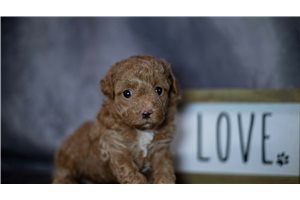
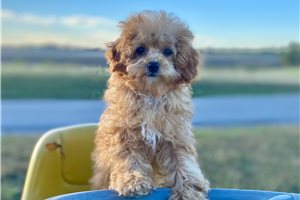
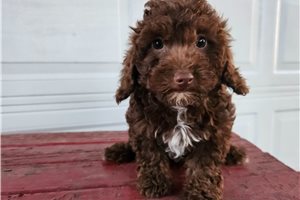
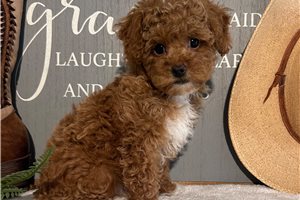
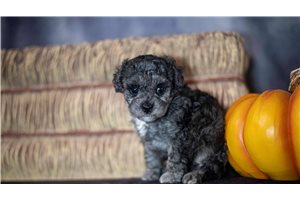
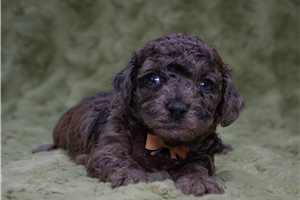
Frequently asked questions about Miniature Poodle puppies
Frequently asked questions
A grown Miniature Poodle weighs 10–15 lb and stands 10–15 inches at the shoulder. That makes it the middle of the three AKC Poodle sizes, between the Toy and the Standard.
Parents of Pawrade Miniature Poodles typically weigh 8–19 lb (fathers) and 8–17 lb (mothers). The typical father weighs about 12 lb and the typical mother about 10 lb.
It suits many people who want a small dog, since a Miniature stands no taller than 15 inches at the shoulder. If you want the lightest Poodle to lift, look at the Toy Poodle, which stands 10 inches or under.
Toy and Miniature are official Poodle varieties set by height, while "teacup" is not a registry term at all. A Toy stands 10 inches or under, and a Miniature over 10 and up to 15 inches. Both follow the same breed standard; only the size differs.
Miniature Poodles come in one solid color under the AKC standard: black, white, blue, gray, silver, brown, café au lait, apricot, cream, red or silver beige. Parti (two-color), phantom (black and tan) and merle coats are outside the AKC breed standard.
It can, especially in blue, silver, café au lait and silver beige puppies. These puppies are born darker and lighten gradually, so their color is not final until the change is complete. Apricot and cream coats may also fade unevenly and keep darker ears.
Most Miniature Poodles have very dark eyes. Brown and café au lait dogs have dark amber eyes instead, and blue eyes are outside the UKC breed standard.
Tail docking is a tradition, and a docked tail is still part of the AKC standard. Rules differ elsewhere: the UKC does not penalize a natural tail, and the international kennel federation (FCI) no longer allows docking under its 2024 standard.
The traditional clip started as a working trim, not a fashion statement. The hindquarters were shaved so the dog could swim, and hair was left over the chest and joints to keep them warm. In the AKC show ring today, dogs under 12 months may wear the Puppy clip, and adults wear the English Saddle or Continental.
Miniature Poodles are proud, clever dogs with a real sense of humor. They need close contact with their family and pick up on their owners' moods. Most are friendly with strangers, especially when they meet plenty of people as puppies.
Many are, because Miniature Poodles are highly social and like to be close to their people. They are also very active, so a daily walk and some brain games come before the cuddles.
Miniature Poodles are high-energy dogs that need daily exercise for body and mind. Training games count toward that, since they work the brain as well as the legs.
Miniature Poodles are alert and likely to bark at people and noises. A quiet cue taught early, plus daily exercise and brain work, keeps the barking in check.
Many Poodles do this kind of work, as therapy dogs, service and assistance dogs, and even guide dogs. Their intelligence and eagerness to please suit the training it takes.
Miniature Poodles are affectionate with children and suit active families. Miniature Poodle breeders on Pawrade report socializing 84% of their litters with young children before the puppies go home. About a quarter of Pawrade Miniature Poodle buyers have children at home.
Most get along well with other dogs, especially when they meet plenty of them as puppies. Breeders on Pawrade report socializing 89% of Miniature Poodle litters with small-breed dogs before they go home. Nearly a third of Pawrade Miniature Poodle buyers already have a dog.
A Miniature Poodle can live happily in an apartment if it gets enough exercise. Long days alone do not suit such a social breed. Expect some alert barking too, which matters when the neighbors are close.
A Miniature Poodle needs about an hour of activity a day, plus some mental work. Long walks, jogging, fetch, swimming and dog sports all count.
Short walks and free play are best while a Miniature Poodle puppy is still growing. Growth plates in a puppy's legs stay soft while it grows, so agree an exercise plan with your vet and skip strenuous exercise until growth is done. Small dogs usually finish growing sooner than large breeds. Once grown, a Miniature Poodle needs about an hour of activity a day, plus some mental work.
Many do, since the Poodle was bred as a water retriever and swimming and retrieving games suit it. A short clip gives little warmth in cold water, so dry and warm your dog after a swim.
Miniature Poodles shed little, but no dog is truly hypoallergenic. The main dog allergen comes from skin, saliva and dander (tiny skin flakes), so people with allergies can still react to a Poodle. What the curly coat does is trap shed hairs, so fewer of them end up on the floor.
The coat keeps growing, so a Miniature Poodle needs regular grooming for life. Plan on a clip every 4–6 weeks, and brush a longer coat every day to stop mats forming.
The first adult clip usually comes along with the change to the adult coat. Short, gentle grooming sessions from the first week get your puppy used to handling long before then.
Miniature Poodles are very intelligent and eager to please, and they learn quickly. Consistent, upbeat, reward-based training works best, because harsh methods backfire with this sensitive breed.
Agility, obedience, rally and musical canine freestyle all suit a Miniature Poodle. Retrieving and swimming games play to its water-dog roots, and Poodles have even been used to hunt truffles.
Start on the first day with a steady routine and a crate in a room where the family spends time, or in your bedroom at night. Take your puppy out first thing in the morning, last thing at night and after naps. Breeders on Pawrade report whether they have started crate training, so ask how far your puppy has got.
A common rule of thumb is about as many hours as the puppy's age in months, so a 3-month-old Miniature Poodle can usually wait about 3 hours. The rule works up to about 9 months to 1 year, and every puppy is different. Take your puppy out first thing in the morning, last thing at night and after naps.
Your Miniature Poodle is most likely in adolescence, a normal stage that may begin at about 8 months and can last until about 2 years. Young dogs test boundaries and may seem to forget their training. Consistent training, patience and plenty of physical and mental exercise carry you through it.
Pawrade puppies travel only once they are at least 8 weeks old and weigh at least 2 lb. Most Miniature Poodle puppies go home at about 12 weeks, usually between 9 and 20 weeks.
Across 484 Miniature Poodle litters on Pawrade, the typical litter has 4 puppies, and most have between 2 and 7.
Set up a crate in a room where the family spends time, or in your bedroom at night. Have a brush and a toothbrush ready, because daily brushing and tooth care start in the first week. Plan several small meals a day, and line up a puppy class for after the first vaccines. Keep only a few chew toys out at a time, and rotate them so they stay interesting.
Start the day your puppy comes home, because the first 3 months are the most important time for socialization. Puppy classes can start as early as 7–8 weeks. There is no need to wait for the full vaccine series, as long as the puppy stays away from sick dogs and your vet agrees.
Most Pawrade Miniature Poodle litters meet children, other dogs and everyday household sounds before the puppies go home, as reported by their breeders. Breeders report that 89% of 484 litters met small dogs and 84% met young children. Most litters also got used to the vacuum cleaner (67%), loud music or TV (56%) and car rides (52%).
Feed several small meals a day while your puppy is young. Keep it lean as it grows. You can ask what your puppy is eating now before it comes home.
Most Miniature Poodles have all their adult teeth by 6–7 months. Baby teeth start to fall out from about 12 weeks, and chewing is strongest while the teeth change. Small breeds keep baby teeth more often, so ask your vet about any that stay. Offer a few safe chew toys at a time, rotate them and supervise chewing.
Most puppies finish their core vaccine series at about 16 weeks, as your vet advises. Your own vet sets the exact schedule and completes the series your puppy started before it came home. A puppy class is fine before then, as long as your puppy stays away from sick dogs.
The Veterinary Health Report is the record of your Miniature Poodle puppy's exam before it goes home. The breeder's licensed vet gives the puppy itself a full hands-on exam to PetPay's standards and writes down what they find. It gives you and your own vet a clear starting point for your puppy's care.
The breeder's licensed veterinarian examines every puppy before it goes home, to PetPay's exam standards. The results are recorded in the puppy's Veterinary Health Report, and a copy travels with your puppy for your records.
The breeder's vet examines the whole puppy and pays close attention to a few things that matter in Miniature Poodles. The vet feels both knees, checks the eyelids and eyes, and listens to the heart. The vet also checks the bite and, in males, feels for both testicles.
Before travel, every puppy follows PetPay's vaccination and deworming schedule as far as its age allows: deworming at 2, 4, 6, 8, 10 and 12 weeks, and the distemper, parvo, adenovirus and parainfluenza combination shot at 6–8, 9–11 and 12–14 weeks. Bordetella and corona are given at the vet's discretion, and no vaccine is given within 3 days of travel. Rabies is given by a licensed vet on the schedule your state requires. Your own vet completes the series. Your puppy's vaccination and deworming records are separate documents that travel with your puppy. Bring them, with the Veterinary Health Report, to your first visit so your vet starts from the same record.
If the vet finds something that could put your puppy at risk during travel, your puppy stays with the breeder until it's resolved. Problems that can be treated before travel are treated by the breeder's licensed vet first. Anything else the vet notes is shared with you.
Puppies grow and change quickly, and their immune systems are still developing, so no single exam can find everything. In Miniature Poodles, the first full eye exam and the formal knee check come later, and a heart-valve problem usually starts late in life. The report is a strong early look at your puppy, and your own vet builds on it at every checkup.
Every puppy comes with a health guarantee administered by PetPay, independent of the seller. The terms are on the health guarantee page.
Miniature Poodle buyers rate their Pawrade experience 4.7 out of 5 on average, across 342 reviews. About 81% of their reviews give the full 5 stars.
Right now, most Miniature Poodle puppies on Pawrade are listed within the typical range shown on Pawrade's Miniature Poodle listings. Each breeder on Pawrade sets their own price, and each puppy's listing shows it. A Miniature Poodle puppy's price reflects what goes into it: its pedigree and registration, its coat and color, and the breeder's program. Every Pawrade puppy's price also includes the pre-travel exam by the breeder's licensed vet, the Veterinary Health Report and a health guarantee administered by PetPay.
More ways to search
Popular Miniature Poodle searches
Other namesWhere families find Miniature Poodle puppies
Most Popular Miniature Poodle Cities
Miniature Poodle puppies by state