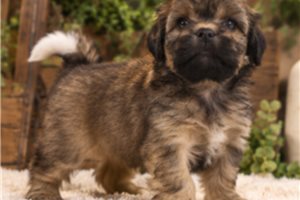
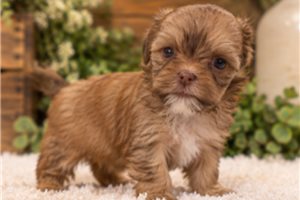
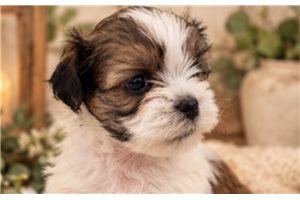
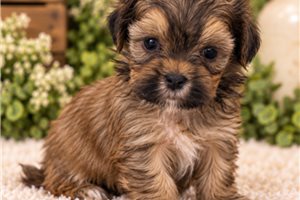
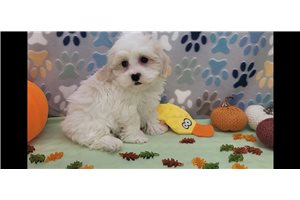
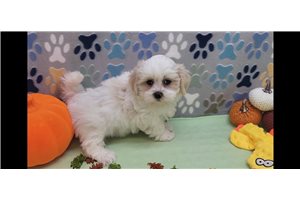
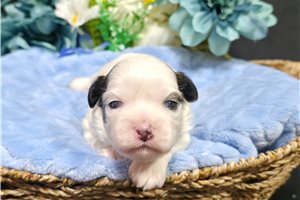
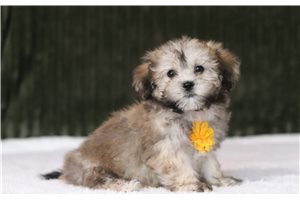
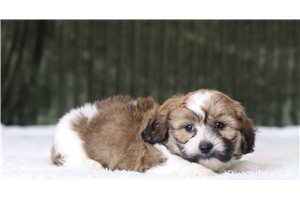
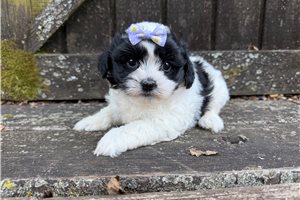
The Shih Tzu began as a lap dog in China's imperial palace, and it still acts as if keeping you company is its most important job. Under all that flowing hair is a sturdy little dog with a warm welcome for everyone it meets.
The Shih Tzu began as a lap dog in China's imperial palace, and it still acts as if keeping you company is its most important job. Under all that flowing hair...The Shih Tzu began as a lap dog in China's imperial palace, and it still acts as if keeping you company is its most important job. Under all that flowing hair is a sturdy little dog with a warm welcome for everyone it meets.
Only with Pawrade, you receive a pet insurance policy with no waiting period included for immediate accident or illness coverage. *NH, NY, RI, SC and TN residents excluded
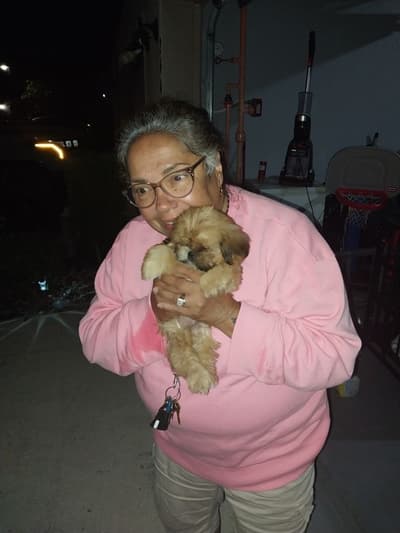
“Beautiful puppy, clean looks wonderful and driver was nice.”
Dino · Shih Tzu
May 12, 2025
“I found an adorable puppy, paid and when he was old enough he was driven to me! It hasn’t even been 24 hours yet and he is so precious and so loved!! I couldn’t be happier with this experience and look forward to loving him for many years to come!! Thank you!!”
Fiona · Shih Tzu
Oct 22, 2025
“My delivery went perfect. My Shih Tzu puppy came home safe and sound nice and clean. What a sweet little girl. Your delivery drivers were very nice and professional went through all the paperwork signed my delivery form and they were back on their way. I would definitely use their services again.”
Puppy scams cost U.S. families millions every year. Here's how you know Pawrade isn't one: we're a named, audited business with a public track record you can check anywhere.
Pawrade data: parents of puppies placed through Pawrade (breeder-reported)
Height
8–11 in
Lifespan
10–18 years
Energy
Moderate
Shedding
Low
Group
Toy
AKC
Shih Tzu Characteristics
Full-Grown Size
1 of 7SmallLarge
Grooming Needs
4 of 7SeldomRegularly
Good with Dogs
4 of 7Not ReallyYes!
Watchdog Ability
3 of 7LowHigh
Exercise Needs
1 of 7Couch PotatoHigh Needs
Your new best friend.
Shih Tzu temperament
Personality and daily life
At home
A Shih Tzu is a lap dog by trade. It was bred for nothing but companionship, and most are happy, affectionate dogs that trust everyone, visitors included. Other dogs and household pets usually get the same easy welcome.
Kids and other pets
Shih Tzus are affectionate with children, but a dog this small is easy to hurt. Have young children sit on the floor to hold the puppy, and stay close while they play.
At home
Indoors, a Shih Tzu is livelier than it looks. It barks now and then rather than all day, and it is well suited to apartment living.
Pawrade data: parents of puppies placed through Pawrade (breeder-reported). Placements and reviews come from Pawrade's records.
A healthier start for a happier tomorrow.
Shih Tzu care & grooming
Care and training
The routine
Exercise needs
Moderate
A Shih Tzu's exercise needs are small: short daily walks with time to sniff, plus games and trick training at home, cover most of what it needs.
Coat and shedding
Low
The long double coat sheds little, but it tangles fast. Plenty of owners skip the long look and have a groomer keep the coat in a short puppy or pet trim.
Daily
Coat and grooming care
Brush it every day or every other day to keep mats from forming. Keep the hair around the rear trimmed for hygiene.
Teeth and gums
Brush the teeth daily, since gum disease (periodontal disease) is a common problem in the breed.
Weekly
Ear checks
Check the ears weekly, because the heavy hair on them keeps air from moving through.
Monthly / as needed
Around the eyes
Tie the hair on top of the head into a topknot so it stays out of the eyes. Wipe the corners of the eyes every day.
Keeping them safe
Heat safety
Heat is the one thing to plan around. The short muzzle and heavy coat make a Shih Tzu easy to overheat, so keep it out of heat and humidity and carry water when you go out.
Water safety
Most are poor swimmers, too, and a soaked coat gets heavy, so stay close around pools.
Car travel
Plan to keep the puppy cool from day one, and pack water and ice packs for car trips.
Book a yearly eye exam that includes a dry-eye check, because most of the conditions that run in the breed involve the eyes.
Breathing and airwayKnow when to call
A teething puppy may snort or make bubbling sounds, which is common, but a puppy that struggles to breathe needs a vet.
Back and spineRamps, not stairs
Fewer jumps off the furniture and a lean weight help protect the back, where disc disease can develop.
Teeth and gumsRoutine vet checks
Plan regular dental cleanings with your vet.
Body weightKeep them lean
Shih Tzus put on weight easily, so measure meals and count treats.
Every milestone, together.
Shih Tzu puppy milestones
Growing up: your Shih Tzu's first years
Before 8 weeks
Before your puppy comes home
Your puppy is still with its breeder, and most Shih Tzu litters on Pawrade are already meeting small dogs and children.
Set up the crate or puppy pen in a room where the family spends time, or in your bedroom at night.
Plan the trip home with water and ice packs in the car, because a Shih Tzu puppy overheats easily.
Have a brush ready, along with something soft for wiping the eye corners, since both become daily jobs.
If you have children, teach them to sit on the floor whenever they hold the puppy.
Why it matters
A Shih Tzu puppy is small and easily hurt, so holding it at floor level keeps it safe, and a cool car protects that short face from overheating.
Shih Tzu note
Shih Tzus were bred purely as companions, so expect a puppy that wants to be wherever you are.
8–10 weeks
The first week home
Everything is new, and a steady routine for meals, naps and play helps your puppy feel at home. A puppy can usually hold its bladder for about as many hours as its age in months, so trips outside come often.
Take your puppy out first thing in the morning, after every nap and last thing at night.
Feed small meals on a regular schedule, and watch a tiny puppy for signs of low blood sugar.
Start wiping the corners of the eyes every day, so it becomes a calm, normal part of the routine.
At the first vet visit, mention any rubbing at the eyes or noisy breathing at rest.
Why it matters
Frequent trips outside give your puppy lots of chances to get it right, and Shih Tzus are often slow to house-train.
Shih Tzu note
An indoor potty spot is a reasonable option for this breed, with the same steady schedule.
10–12 weeks
Weeks 2 to 4
Puppies are most open to new experiences in their first 3 months, so these weeks shape the adult your Shih Tzu becomes.
Introduce gentle new people, friendly dogs, everyday sounds and short car rides, a little at a time.
Join a puppy class that uses rewards, which can start as early as 7–8 weeks with healthy classmates and clean floors, as your vet advises.
Until the vaccine series is done, skip dog parks and other places where unknown dogs gather.
Why it matters
Calm, positive meetings now give your puppy the life skills it needs as an adult, and rewards work far better than force with this breed.
Shih Tzu note
Add short, happy brushing sessions now, because a Shih Tzu's long coat needs brushing for life to keep mats away.
3–4 months
3 to 4 months
Most puppies finish their vaccine series at about 16 weeks, as your vet advises. Baby teeth start to fall out from about 12 weeks, so expect a busy, mouthy puppy.
Once your vet says the vaccines are complete, take your puppy to new places, surfaces and sounds.
Keep the topknot tied up so the hair on top of the head stays out of the eyes.
Walk in the cool part of the day, and keep outings short when it is warm or humid.
Why it matters
Puppies can scratch their eyes rubbing their faces on the carpet, so hair kept off the eyes and a daily wipe matter from the start.
Shih Tzu note
Your puppy is small and easily hurt, so keep play with children on the floor and supervised.
4–6 months
4 to 6 months
Teething is in full swing, and chewing is strongest while the adult teeth come in. Growth plates in the legs stay soft while a puppy grows, and small dogs like the Shih Tzu finish growing sooner than big ones.
Keep only a few safe chew toys out at a time and rotate them, and supervise chewing.
Agree an exercise plan with your vet, and skip rough play and big jumps off the furniture.
Start brushing your puppy's teeth now, because gum disease is a common problem in the breed.
Why it matters
Chewing eases sore gums, so a safe outlet protects your things, and gentle exercise protects joints that are still growing.
Shih Tzu note
Shih Tzus gain weight easily, so count the treats you use in training.
6–12 months
6 to 12 months
Adolescence has begun, and teenage dogs test boundaries and may seem to forget their training. In Shih Tzus, this teenage phase often shows up at around 7–8 months.
Keep training short, consistent and rewarding, with praise, treats and games rather than corrections.
As the adult teeth finish coming in, ask your vet to check for baby teeth that have not fallen out.
Talk with your vet about spaying or neutering, a decision that depends on things like your dog's sex and size.
Switch to adult food before the first birthday, and keep measuring meals.
Why it matters
The teenage phase is normal and it passes, and patient, steady training now shapes the adult you want.
Shih Tzu note
The coat changes at around 10–12 months, and daily brushing or a short puppy clip keeps mats away.
1–2 years
1 to 2 years
Most dogs are fully grown and settled into adulthood at around 2 years. Your Shih Tzu is now the outgoing, affectionate companion it was bred to be.
Book a wellness exam with your vet at least once a year, the normal routine for an adult dog.
Around the first birthday, ask your vet about kneecap and breathing checks and about starting yearly eye exams.
Keep up the brushing or a regular trim, daily tooth brushing and the eye-corner wipe.
Why it matters
Most of the breed's known conditions involve the eyes, so yearly eye exams catch changes while they are easiest to manage.
Shih Tzu note
Many grown Shih Tzus enjoy agility, obedience, trick training or pet therapy visits.
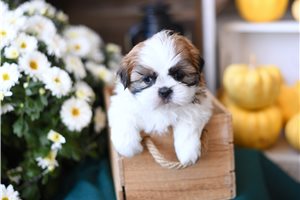
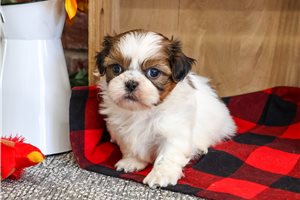
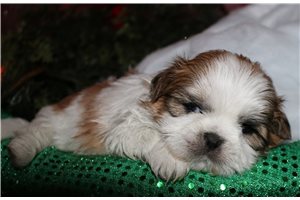
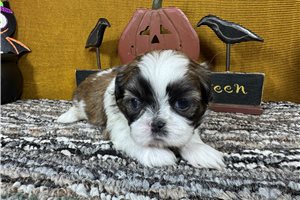
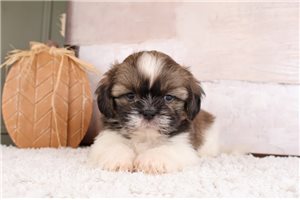
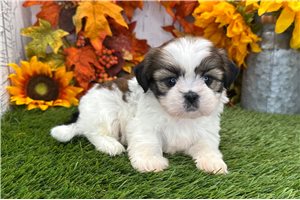
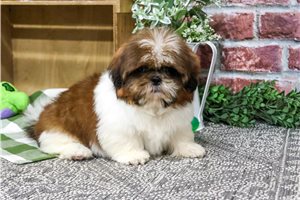
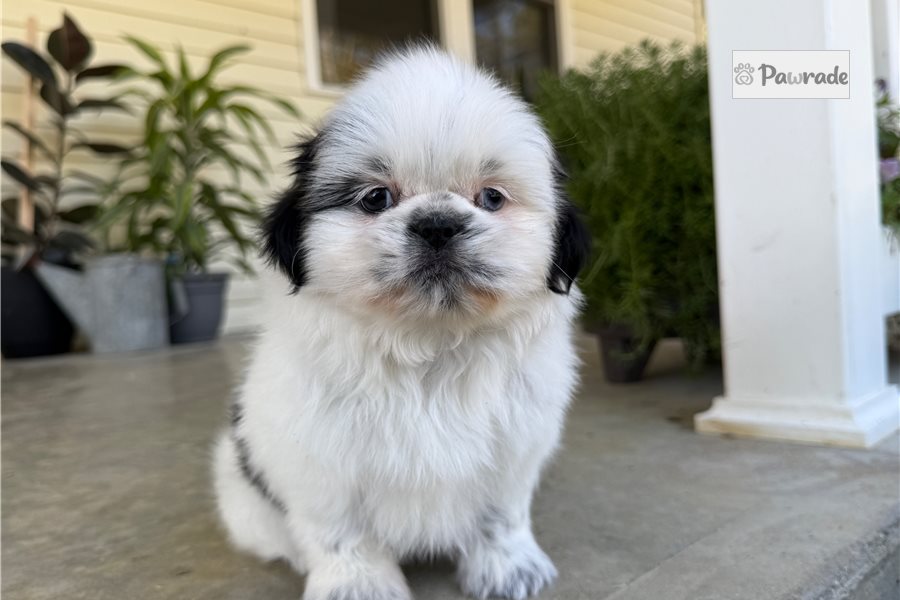
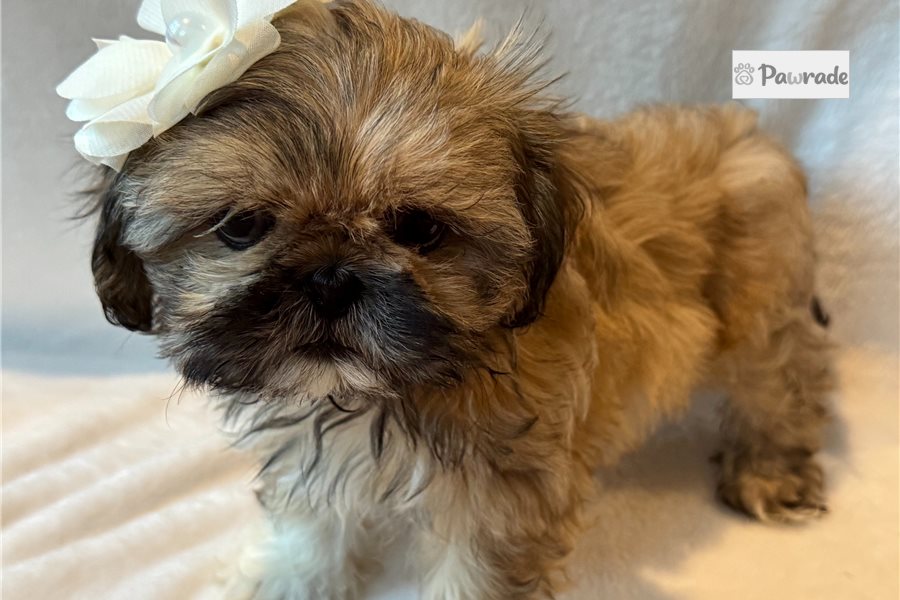
Pick up a Shih Tzu and you'll find it is heavier than it looks. The body is compact and solid, a little longer than it is tall, with heavy bone under the coat. The head is round and broad, with a short, square muzzle and large, round dark eyes set well apart. Unlike most breeds, the lower teeth meet in front of or level with the upper ones (an undershot or level bite). The muzzle is short, but never so short that it gets in the way of breathing or sight.
Colors and coat
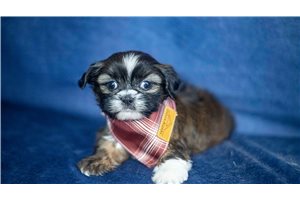
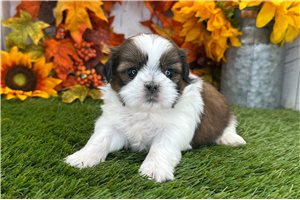
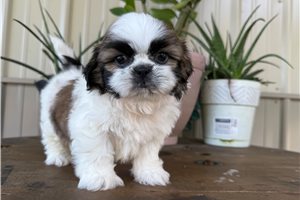
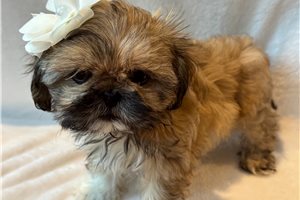
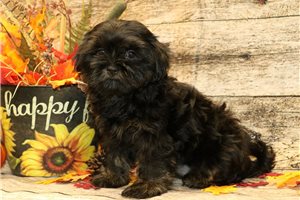
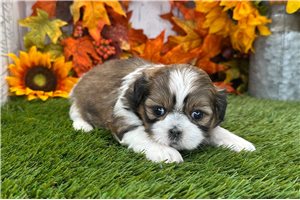
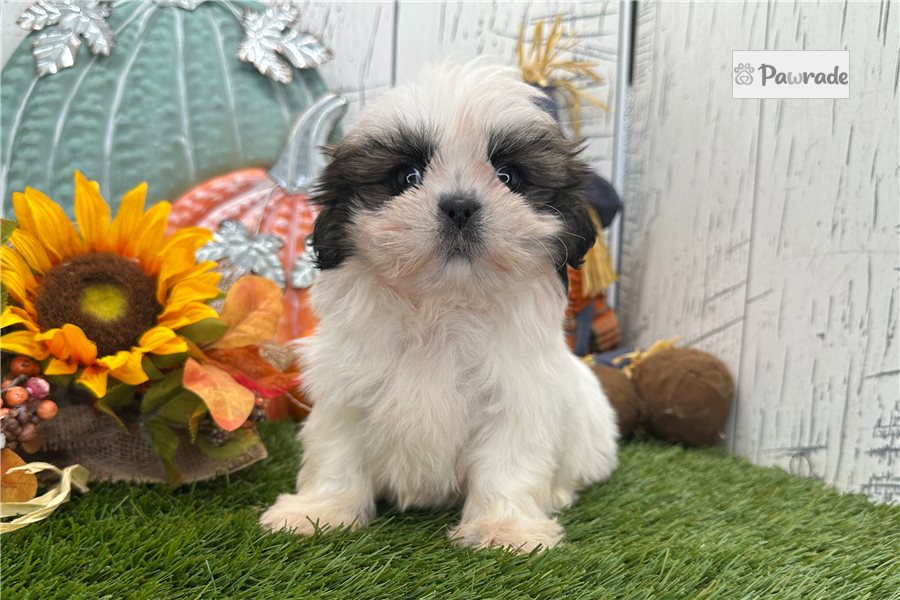
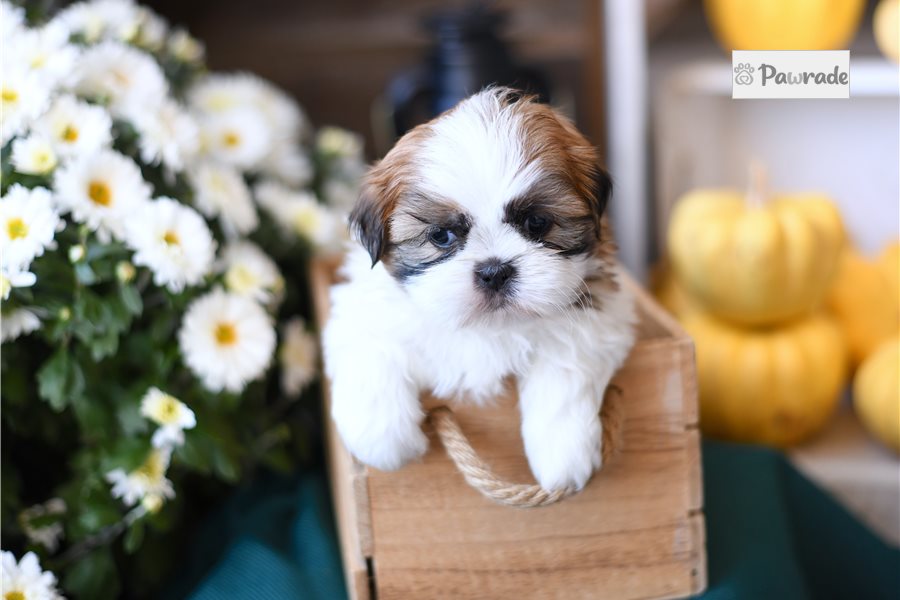
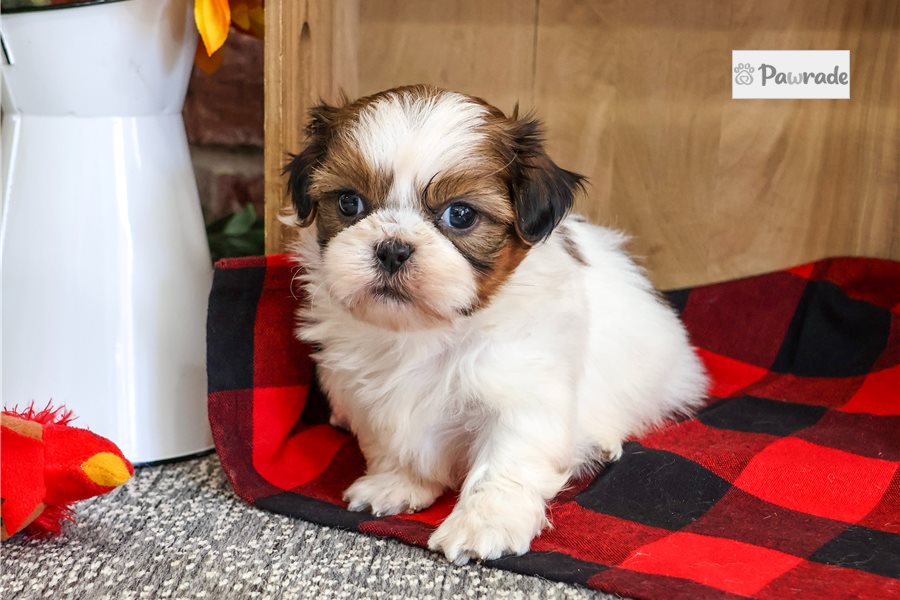
The double coat is long and dense, and a slight wave is allowed. Every color and marking is allowed and judged equally, so no Shih Tzu color is outside the AKC breed standard. Colors registered with the AKC include black, gold, red, silver, blue, liver and brindle, solid or with white, plus markings such as a black mask or tan markings. Liver and blue dogs have a matching liver or blue nose, lips and eye rims, and their eyes may be lighter.
Colors listed by Pawrade breeders
Black
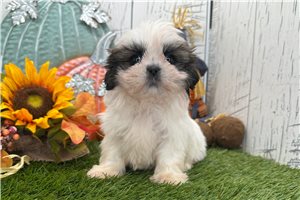
Black & White
Blue
Blue & White
Brindle
Brown
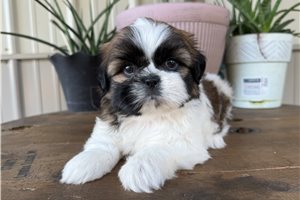
Brown & White
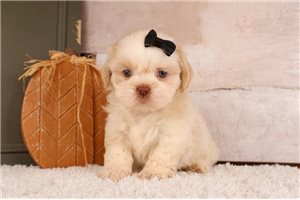
Cream
Cream & White
Gold
Gold & White
Gray
Gray & White
Liver
Liver & White
Red
Red & White
Sable
Sable & White
Silver
Silver & White
Tan
Tan & White
Tri-color
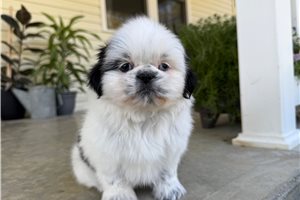
White
Keeping your Shih Tzu healthy
Shih Tzus are known to be prone to a handful of conditions, most of them in the eyes, and daily care handles many of them.
Big eyes and lids that may not close all the way (exposure keratopathy) leave the eye's surface unprotected, and sores can form on it (corneal ulcers). Keep face hair tied up and take any squint or red eye to the vet promptly. A puppy that stays small or doesn't thrive next to its littermates should see a vet, since a blood vessel can bypass the liver from birth (portosystemic shunt).
A little history, a lot of heart.
Shih Tzu history
History and fun facts
The Shih Tzu has Tibetan roots and was developed in China as a companion for the imperial court.
1800s
Crosses with the Pekingese, and possibly other Chinese breeds, went into it, and the modern type took shape in the kennels of the Dowager Empress Cixi in the late 1800s.
The name means lion dog, a nod to Buddhist symbolism.
Hair that grows outward on the bridge of the nose earned it another name: the chrysanthemum-faced dog.
1912
Shih Tzus left China after it became a republic in 1912, and the first recorded imports reached Britain in the early 1930s.
They were first shown there as Apsos, until a Kennel Club ruling made them a separate breed.
Back in China, the breed died out after the Communist revolution.
1952
Every Shih Tzu alive today traces back to roughly 14 dogs saved outside China, one of them a Pekingese crossed in during 1952.
1940s
Many Shih Tzus reached the United States in the 1940s and 1950s with returning US military personnel.
1966
The UKC recognized the breed in 1966 and the AKC in 1969.
2014
In 2014 a Shih Tzu became the first of its breed to hold both a conformation championship and an agility title.
The American Shih Tzu Club is the breed's AKC parent club.
Checked with care before travel.
Shih Tzu Veterinary Health Report
Your puppy's Veterinary Health Report
Before your Shih Tzu puppy comes home, the breeder's licensed vet gives it a full hands-on exam to PetPay's exam standards, and the results go into its Veterinary Health Report.
The exam, a health certificate and a stool test for parasites all happen 3 to 5 days before your puppy leaves.
1It is a check of your own puppy, not paperwork about its family, so you start with a clear record of how your puppy is doing.
2If the vet finds something that could put your puppy at risk during travel, your puppy stays with the breeder until it's resolved.
3Problems that can be treated before travel are treated by the breeder's licensed vet first.
4Anything else the vet notes is shared with you.
5A hard copy of the report travels with your puppy for your records, and a digital copy is in your PetPay account.
Puppies travel only once they are at least 8 weeks old and weigh at least 2 lb. Every puppy also comes with a health guarantee administered by PetPay, independent of the seller. The terms are on the health guarantee page.
A Shih Tzu puppy's price reflects what goes into it: its pedigree and registration, its coat and color, and the breeder's program. Every Pawrade puppy's price also includes the pre-travel exam by the breeder's licensed vet, the Veterinary Health Report and a health guarantee administered by PetPay. Every Shih Tzu color and marking is allowed under the AKC standard and judged equally. Imperial and teacup are not separate sizes, and no registry recognizes them. See today's price range for Shih Tzu puppies on Pawrade's Shih Tzu listings.
Typical asking price
$2,678
Based on 1,246 Shih Tzu listings in the last 12 months
Adult Shih Tzus weigh 10–18 lb and stand 8–11 in tall. They carry heavy bone, so they feel more solid than their size suggests.
Parents of Pawrade Shih Tzus typically weigh 7–15 lb for fathers and 8–14 lb for mothers, based on the adult weights breeders report.
Shih Tzus come in every color and marking, and all of them are judged equally under the AKC standard. Registered colors run from gold and black to liver, blue and brindle, solid or with white.
No registry recognizes an imperial or teacup Shih Tzu as a separate type or size. The names usually describe undersized dogs, smaller than the breed standard allows.
Either can make an affectionate companion, because the breed's outgoing, friendly nature belongs to males and females alike. One size range covers both sexes.
There is only one Shih Tzu breed, with no separate European or American type. The AKC, the UKC, the World Canine Organisation (FCI) and the UK Kennel Club each recognize that one breed.
Liver and blue Shih Tzus have a matching liver or blue nose, lips and eye rims, and the standard allows it. On every other color the nose, lips and eye rims are black.
The muzzle is short and square, about 1 inch from the tip of the nose to the stop, the dip between the forehead and the muzzle. An undershot or level bite is correct, with the lower teeth meeting in front of or level with the upper teeth. The muzzle should never be so short that it harms breathing or vision.
Both breeds have Tibetan roots and are often confused, but the Shih Tzu is in the AKC Toy Group and the Lhasa Apso is in the Non-Sporting Group. The Shih Tzu took its modern shape as a palace companion in China.
A Shih Tzu is outgoing, happy and affectionate, and it was bred for nothing but companionship. Most are friendly with strangers and trust people in general.
Shih Tzus were developed as palace lap dogs and bred purely for companionship, so most are happiest close to their people. They are still lively indoors and enjoy a game.
Shih Tzus bark now and then rather than constantly. That makes them a good fit for apartments and close neighbors.
A Shih Tzu can suit a first-time owner who wants a small, affectionate companion and has time for regular grooming. It learns quickly but can be stubborn, so gentle, reward-based training and patience with house-training help.
A Shih Tzu usually makes a good second dog, because the breed tends to get along with other dogs and household pets. Breeders report that 98% of Shih Tzu litters placed through Pawrade were socialized with small-breed dogs before going home. More than a third of Shih Tzu buyers on Pawrade already have another dog at home.
Shih Tzus are affectionate and good with children. A toy dog is easily hurt, so supervise young children and have them sit on the floor to hold the puppy.
Shih Tzus are generally good with household pets, cats among them. Some Shih Tzu litters on Pawrade also meet cats before the puppies go home.
The Shih Tzu is well suited to apartment living. It barks only now and then, and short walks plus indoor play meet its exercise needs.
Short daily walks plus indoor play are enough for most Shih Tzus, a breed with moderate energy. Tricks and games give the brain a workout, and sniffing on outdoor walks still matters.
Hot weather is hard on a Shih Tzu, because the short muzzle and heavy coat make it overheat easily. Keep it out of heat and humidity, and carry water on outings.
Most Shih Tzus are poor swimmers, because the heavy coat soaks up water and the face is short. Stay close whenever your dog is near a pool or other water.
A Shih Tzu can travel, and heat is the main thing to manage, because the short muzzle makes it easy to overheat. Keep your dog cool on the trip and bring water and ice packs.
Shih Tzus shed little, but no dog is truly hypoallergenic. Low shedding means less loose hair, not a coat free of allergens.
A long coat needs brushing every day or every other day to stop mats. Many owners keep it in a short puppy or pet trim from a professional groomer instead. Keep the hair around the rear trimmed for hygiene, whichever look you choose.
Shih Tzus learn quickly, but many have a stubborn streak. Praise, treats and games work far better than force or harsh corrections.
A common rule of thumb is that a puppy can hold its bladder for about as many hours as its age in months. A 3-month-old, for example, can usually wait about 3 hours. The rule works up to about 9 months to 1 year, and every puppy is different. Shih Tzus are often slow to house-train, so take your puppy out first thing in the morning, after naps and last thing at night.
House-training a Shih Tzu often takes longer than average, and an indoor potty system is a reasonable option for this breed. Whatever you choose, keep a steady schedule and take the puppy out, or to its spot, as soon as it wakes.
Breeders on Pawrade report whether they have started crate training, so ask how far your puppy has got. At home, put the crate in a room where the family spends time, or in your bedroom at night.
Your Shih Tzu is most likely in adolescence, a normal phase when dogs test boundaries and may seem to forget their training. In Shih Tzus this teenage phase often starts at around 7–8 months. Keep training consistent and rewarding, with praise, treats and games rather than force. Adolescence can last until about 2 years, and patience pays off.
Trick training and indoor games suit the breed well. Shih Tzus also compete in AKC agility and obedience, and pet therapy work is open to the breed.
Pet therapy is one of the activities open to the breed, and a Shih Tzu's friendly, trusting nature suits the work. It was bred only to be a companion, and it is affectionate and outgoing with the people around it.
Pawrade puppies travel only once they are at least 8 weeks old and 2 lb, and the breeder's licensed vet examines each one first. Most Shih Tzu puppies go home at about 12 weeks, usually between 9 and 19 weeks.
Plan how to keep the puppy cool, set a steady routine for meals, sleep and play, and be ready to clean the eye corners every day. If there are children, teach them to sit on the floor when they hold the puppy. Set up the crate or puppy pen in a room where the family spends time, or in your bedroom at night.
Start right away, because the first 3 months are the most important time for socialization. Puppy classes can begin as early as 7–8 weeks, with healthy classmates and clean floors, as your vet advises. Look for a class that uses positive reinforcement, such as treats and praise.
Most puppies finish teething by about 6 months, when the adult teeth are in. Baby teeth start to fall out from about 12 weeks, and a teething puppy may snort or make bubbling sounds. Offer a few safe chew toys at a time and rotate them, and ask your vet to check for baby teeth that stay in.
Most puppies finish their core vaccine series at about 16 weeks, as your vet advises. Until your vet says the series is complete, skip dog parks and other places where unknown dogs gather. A puppy class with healthy classmates and clean floors is fine before then.
Most puppies stop growing in height by about 12 months, and small dogs like the Shih Tzu finish sooner than large breeds. Most dogs are fully grown and settled into adulthood at around 2 years.
Breeders on Pawrade report a typical Shih Tzu litter of 4 puppies, usually between 2 and 6.
Breeders report that 98% of Shih Tzu litters placed through Pawrade were socialized with small-breed dogs, 84% with older children and 81% with younger children. Most litters also meet everyday sounds and travel before going home. Breeders report that 67% of litters heard a vacuum cleaner, 55% heard loud music or TV, 55% rode in a car or truck and 52% heard pots and pans. These figures come from the breeders' own litter forms.
Feed puppy food in three small meals a day until about 6 months, then two meals a day until the first birthday. Most switch to adult food at around 7 months, and because Shih Tzus gain weight easily, count the treats. You can ask what your puppy is eating now before it comes home.
The Veterinary Health Report is the written record of your Shih Tzu puppy's health exam before it goes home. The breeder's licensed veterinarian examines the puppy to PetPay's exam standards and records the results in the report. It is a full hands-on exam of your puppy itself, not a record of the parents' health.
The breeder's own licensed veterinarian examines every Shih Tzu puppy before it goes home. The vet follows PetPay's exam standards and records the findings in your puppy's Veterinary Health Report. A hard copy of the report travels with your puppy for your records, and a digital copy is in your PetPay account.
The breeder's licensed vet gives each Shih Tzu puppy a full hands-on exam before it goes home, to PetPay's exam standards. The vet checks the eyes and eyelashes, looks at the nostrils and listens for noisy breathing. The vet also checks the bite and inside the mouth, weighs the puppy and looks for one that is not thriving next to its littermates. Big, exposed eyes and a short muzzle are why the eyes and breathing get a close look in a Shih Tzu.
Before travel, every puppy follows PetPay's vaccination and deworming schedule as far as its age allows: deworming at 2, 4, 6, 8, 10 and 12 weeks, and the distemper, parvo, adenovirus and parainfluenza combination shot at 6–8, 9–11 and 12–14 weeks. Bordetella and corona are given at the vet's discretion, and no vaccine is given within 3 days of travel. Rabies is given by a licensed vet on the schedule your state requires. Your own vet completes the series. Your puppy's vaccination and deworming records are separate documents that travel with your puppy. Bring them, with the Veterinary Health Report, to your first visit so your vet starts from the same record.
If the vet finds something that could put your puppy at risk during travel, your puppy stays with the breeder until it's resolved. Problems that can be treated before travel are treated by the breeder's licensed vet first. Anything else the vet notes is shared with you.
Puppies grow and change quickly, and their immune systems are still developing, so no exam can find everything. The pre-travel exam by the breeder's licensed vet is a strong early indicator and a documented starting point. Your own vet builds on it at the first visit and at every checkup after that.
Shih Tzu buyers rate their Pawrade experience 4.8 out of 5 on average across 702 reviews, and 87% of those reviews give the full 5 stars.
Right now, most Shih Tzu puppies on Pawrade are listed within the typical range shown on Pawrade's Shih Tzu listings. Each breeder on Pawrade sets their own price, and each puppy's listing shows it. A Shih Tzu puppy's price reflects what goes into it: its pedigree and registration, its coat and color, and the breeder's program. Every Pawrade puppy's price also includes the pre-travel exam by the breeder's licensed vet, the Veterinary Health Report and a health guarantee administered by PetPay.







 Shih Tzu note