When we adopt a puppy, we have grand ideas for what type of puppy parents we will be when training our puppies. Some of us study our puppies during the first week like a research project, documenting our puppy’s every move and beginning training on the first day. Others of us will have a more laid-back approach waiting to see how things go, assuming our puppy will know what to do, or waiting for a puppy kindergarten class to teach them everything and leave it up to the instructor. Still, others take an approach somewhere in the middle.
As humans, we will inevitably make mistakes when training our puppies regardless of our initial foray into puppy parenthood. We’ll feature how to avoid puppy training mistakes to help you get started on the right paw when showing our puppies how to behave. For more overall mistakes on what not to do with your puppy, check out our resource guide on avoiding 30 mistakes new puppy parents make for a comprehensive list of how you can be the best puppy parent. Zooming in on training mistakes will help you know what not to do along with how to address puppy training challenges.
You have a short window with new puppies to lay the foundations of puppy training. Make the most of your time and avoid these dog training mistakes to have your dream canine companion by your side by learning what not to do when training your puppy.
Avoid These 8 Dog Training Mistakes With Your Puppy
For new puppy parents, the amount of information coupled with the day-to-day experience of living with a puppy can be a tad bit overwhelming. Knowing what mistakes to avoid will help you choose the right methods to train your puppy.
1. Training inconsistently or not at all
According to the AKC, 73% of dog owners used some kind of training method to train their puppies with 45% of them reporting they do it themselves. However, that leaves 27% of owners who don’t do any training! Not training your puppy at all can create an adult dog with a host of problems that harm the dog and wreak havoc on you and those around you. They can suffer from anxiety and destructive behaviors and can be a nightmare in public or with sitters.
Training your puppy can’t be a part-time job or an afterthought, either. People may think it’s too difficult or expensive to train, but all it takes are some treats and effort just a little bit of time each day. You also can’t expect your puppy to be trained with a handful of sessions, as they will forget everything you’ve taught them.
If you haven’t already started or are sporadic in your training efforts, it’s not too late. Spend 10 minutes daily building training into your daily routine for your puppy. From there, you can increase your sessions and add more commands. The key is consistency!
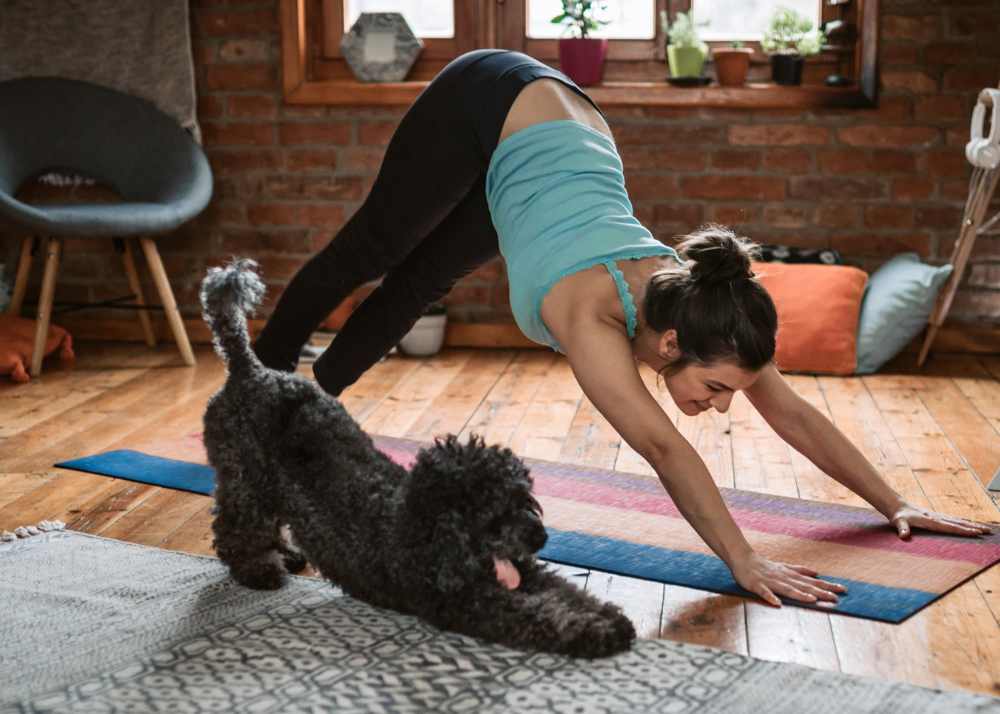
Take a moment to recenter and collect yourself if you get frustrated at your puppy
2. Neglecting to train yourself
Many puppy owners assume their puppy is the one that needs training, but YOU will need an equal amount of training as well. We all go into getting a new puppy with our ideas of how it will be which often don’t live up to reality. We have to be willing to disregard everything we thought we knew and instead show leadership over our dogs while understanding the nature of their breed and how our behavior affects their ability to learn. It’s not always the puppy’s fault. Have a growth mindset and be open to being a leader for your puppy.
One important factor we need to mention about understanding how your behavior impacts your puppy is learning personal restraint. Some people tend to turn to physical aggression or harsh puppy training methods when they are frustrated. You have to control your emotions and respond properly. Never scream at or hit your puppy, rub its nose in its waste, use shock, prong, or electric collars, or utilize any method that causes fear or intimidation. Your puppy will learn you are not a safe person, and you’ll damage any training efforts because you are a threat. You’ll get even worse behaviors like a fearful or aggressive puppy if you cannot demonstrate respect and restraint from your emotions.
3. A lack of socialization
Socialization in puppies means exposing them to sights, smells, sounds, people of all ages, and experiences to help them desensitize triggers and face the world in a calm, neutral manner. The more you can socialize them as a young puppy, the better reaction (or lack of reaction!) they will have to everyday situations.
If you fail to socialize your puppy, you can be in for escalating problems. Having a dog fearful of the dishwasher or vacuum cleaner will impede your ability to complete household chores without a negative reaction from a terrified puppy. On the opposite end of the spectrum, puppies will grow up to cause conflict with other dogs and humans, possibly resulting in bites and aggressive behavior.
4. Not providing a safe, calm space
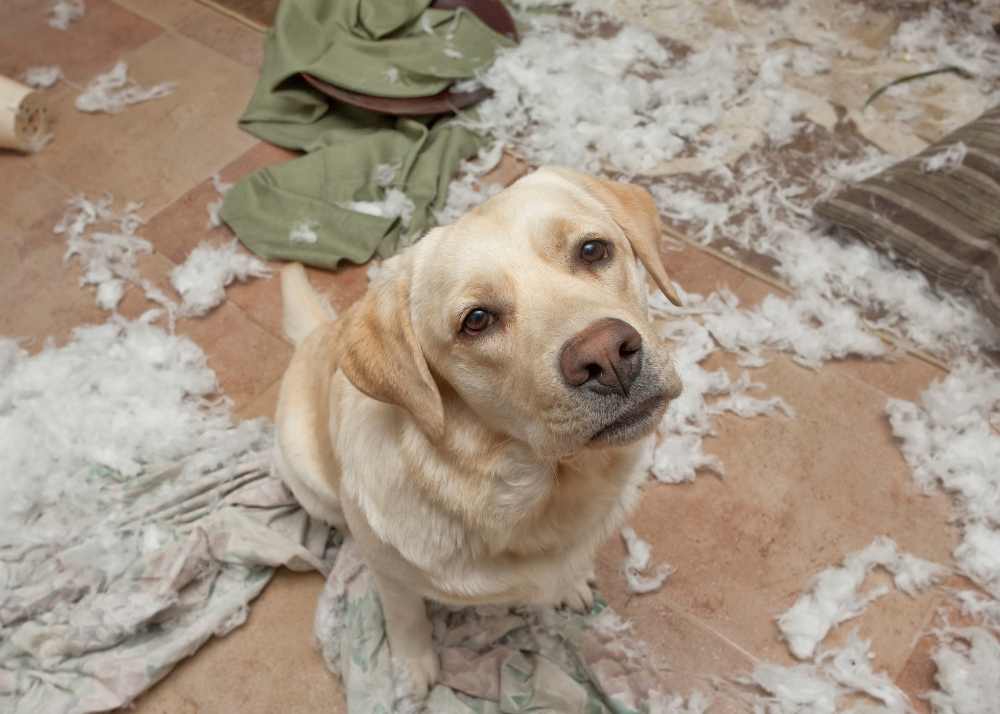
Puppies need to be contained somehow in a safe, calm space away from the hustle and bustle of the house. Not only does it give them a safe place to retreat, but it also keeps them safe from themselves. Puppies are curious and can be destructive when bored. A crate or puppy pen gives them a cozy, secure place to rest, play, and eat. Crate training your puppy can help with potty training efforts and reduce social anxiety in puppies when they have their den away from distractions.
5. No mealtime manners
Some dog breeds are more food-motivated than others, and you experience this several times a day as they knock you over to get to their food bowl, inhaling their food. Others are grazers, eating their dinner here and there. Others may try to protect their food bowl by growling at you and nipping if you bring your hand close.
If you do not teach mealtime manners to puppies, your puppy could develop some undesirable behaviors. Teaching your puppy to sit and wait for their meal will show them you are the leader and avoid knocking you over. A lack of a mealtime routine will affect your puppy’s elimination schedule as well. If you allow your puppy to freely graze from the bowl, you won’t be able to predict when they need to go out, resulting in a regression of any potty training you’ve attempted to do.
The worst result of a lack of a mealtime routine could result in resource guarding for puppies. When dogs feel threatened their possession such as food or toys will be taken away, they can growl and bite. Resource guarding results in aggressive behavior in dogs, so you don’t want to inadvertently create an issue without introducing mealtime manners. Instead, try hand-feeding your puppy his kibble or pet your puppy gently while they eat. It’s best to start these practices as young as possible, as an older dog will have a harder time adjusting.
6. Your dog may be your baby, but it’s not a human baby
We know, we know. All of us see our puppy as part of our family. You may even have a “dog mom” sticker on your car and swear your puppy can understand exactly what you’re saying. However, attributing human characteristics to your puppy instead of respecting them as animals can negatively impact your dog. If you treat your puppy like a human and ignore their natural instincts, you can set up your puppy to be fearful and anxious, the complete opposite of what you’re trying to achieve, or fail to provide them the exercise and experiences they need to thrive. You can still build a beautiful bond with your puppy without babying them. Understanding puppy behavior, interpreting their body language, and knowing how to be a leader to your puppy will help your puppy training efforts.
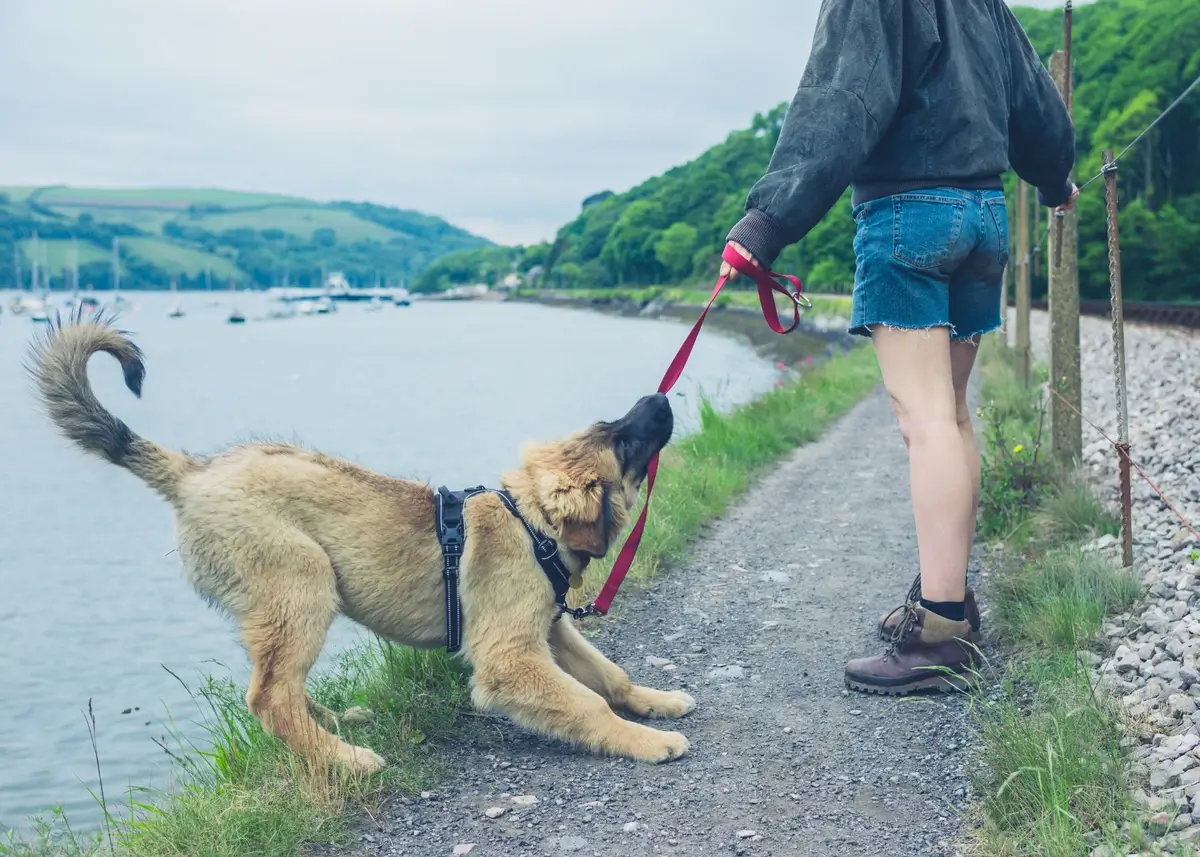
7. Failure to leash train
You’re going to need to go out into the world with your puppy, such as to the vet, on walks, or going on adventures. If you are not able to control your dog, you’ll have a terrible time out in public. Failure to leash train can even get you sued if your puppy lunges and bites another dog or human. Your puppy could sprint away after a scent and be lost forever even if they are microchipped.
When you train your puppy to walk on a leash, it exponentially increases the chance you can be safe and have a puppy that’s a joy to be out in public. Nicely walking on a loose lead also means your puppy is looking to you for guidance and attention instead of being distracted and reacting to their surroundings.
8. Skipping high-value treats
When learning commands, puppies need enticing high-value treats they don’t experience at other times to keep them interested and motivated. You can’t rely on praise only. Scientific studies on using food as a puppy training reinforcer found that dogs receiving food rewards and positive praise were more successful than those that received pets and praise only by shortening the length of time taken to complete the right response to a command. Don’t skimp on the tasty treats like chicken, liver, or specialized puppy training treats.
Train a Pawrade Puppy to Become Your Best Buddy
You’ll make no mistake turning to Pawrade to find the puppy you’ve always wanted. We have puppies for every lifestyle and preference, and the best part is they are all from trustworthy breeders. Pawrade eliminates the need to find a puppy on your own, helping you avoid scams via a seamless, secure puppy adoption experience. Check out our puppies for sale, and let us know which one you’d like to take home to train!