The day has finally arrived! You hold your squirming puppy in your arms as it excitedly showers you with puppy kisses and little blasts of puppy breath in your face.
After the initial snuggling, you realize life with your puppy has begun! You may be thinking, “Now what?”
Puppies are a lot of work, but you will need to introduce them to basic dog training commands right away to ensure your puppy knows your expectations. “Wait, are you advocating I teach all these tricks in the first week or month? That seems like a tall order!”
We don’t expect any puppy to master these tricks right away. The key word is introduce. You don’t have to spend hours a day on puppy training, but working these into your puppy’s day as part of their daily puppy routine will increase the likelihood they’ll catch on quickly when you’re able to do longer sessions.
Most puppies are ready to come home on or after 8 weeks. Pawrade puppies will never come home before 8 weeks of age due to much-needed time with the mother and littermates and for them to complete initial vaccinations. Some breeds may stay longer due to the breeder’s discretion or if they are under 2 pounds or 12 weeks old, whichever comes first.
A puppy is just starting its third month of life the first week home with its new family. Puppies are the most impressionable during 9-12 weeks old and will soak up information at a rapid rate. They’re learning about their new environment, where to potty, and what your expectations are of them. It’s also when your efforts to form a strong bond begin.
Choosing training commands to teach your puppy first will set the tone for your puppy’s positive learning experiences. Here are our top 9 dog training commands to teach your puppy during their first month at home with you to establish a harmonious household and fortify your bond.
Should I Take My Puppy On Training and Socialization Outings in Month 3?
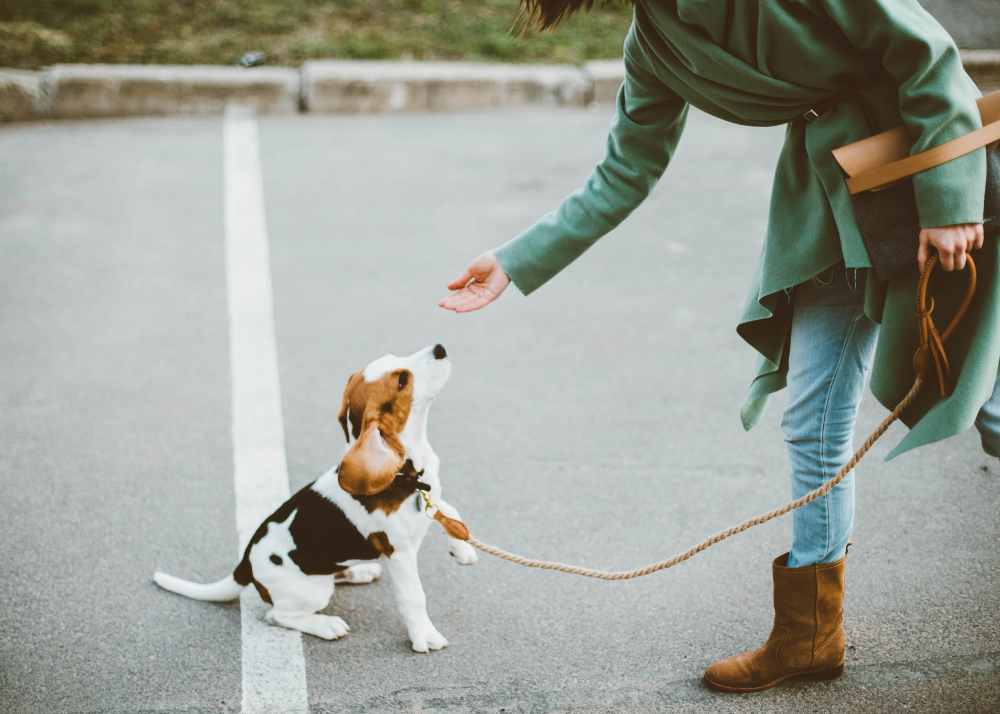
You may be eager to take your puppy out and about on adventures to show off their cuteness, begin leash training, mingle with other dogs, or practice Recall in distracted environments. However, you should think twice before your puppy is approached by adoring fans and before those little paws hit the ground.
Puppies in Month 3 haven’t completed their core series of puppy vaccinations yet, leaving them vulnerable to diseases and infections, some of which are potentially fatal. They aren’t fully protected yet from common puppy illnesses and can pick up something that can have devastating health complications. Refrain from putting your puppy on the floor of the vet’s office, big box stores, or natural areas frequented by other dogs. Most reputable puppy kindergartens or training facilities won’t take puppies who have not finished their vaccination series, but always check with your vet first.
Your puppy’s immune system is susceptible to picking up the following:
-
Parvovirus: This potentially deadly infection affects the lymphatic system, heart, bone marrow, small intestines, stomach, and more. Unfortunately, there is no cure for Parvovirus, so avoid areas that could be contaminated.
-
Distemper: The distemper virus attacks the nervous, gastrointestinal, and other systems. It has no cure but can be treated if caught early.
-
Parasites: Various parasites cause Giardiasis, Cryptosporidiosis, Coccidiosis, and worms spread by contact with infected animals or surfaces and can live up to a year outside the host after shedding. They can wreak havoc on a puppy’s immune system, causing unpleasant effects like foul diarrhea, dehydration, heart issues, lethargy, or even organ failure and death.
What Do I Need To Start Training My Young Puppy The First Month At Home?
You’ll need a variety of items to get started depending on the command. You can use an excited voice, a coveted toy, or puppy training treats. Select the best high-value puppy training treats for your dog breed that will be enticing by introducing a new flavor, making them eager to work for it. In addition, provide a collar, leash, harness, or crate. However, not all the things you need are those you can buy.
Patience
Remember, your puppy may be experiencing a “shock” to the system by switching to very different living environments, and everything is new. Puppies have an extremely short attention span and don’t mean to make you frustrated on purpose, so channeling your inner calm persona is a must.
Consistency
You don’t have to spend hours a day – just a few minutes a handful of times throughout the day by making it part of a play session. The earlier they learn commands, the better off you’ll be down the road rather than waiting until they’re in their rambunctious years. Even the most compliant dogs go through this teenage puppy phase, so start young to establish expectations. Your puppy will not learn in one session. Continue to practice some every day as part of your puppy’s daily routine.
A Positive, Upbeat Attitude
Never use harsh training methods, boop a puppy on the nose, physical restraint, push their nose into their waste, or yell out of frustration. They will learn to fear you, and all your progress will backfire. Puppies want to please their owners and will associate you with bad things instead of being eager to receive your approval and praise.
Teach Your Young Puppy These 9 Commands
Start with the basics. While you may want your puppy to learn dog tricks to impress your friends like rolling over or giving hugs, you have to build a foundation first. Your puppy doesn’t have to master commands one at a time – you can teach them simultaneously. For example, you want your puppy to know its name, but you also want to avoid cleaning up accidents with potty training!
1. Teach your puppy his name
Before you teach anything else, teach your puppy his name! This command is the most important one because it’s the basis for every command to follow. It will be a transition, as your puppy has most likely gone by another name (if any) prior to coming home with you. Teaching your puppy her name is quite easy. Grab a new treat, and place your puppy in a quiet spot. Say its name excitedly. When your puppy looks at you, present the treat! Repeat several times, and your puppy will catch on quickly.
2. Potty training your puppy
Puppies can go a few hours between needing to eliminate, but you should offer opportunities at least every hour and sometimes more frequently. Establish an elimination schedule by taking your puppy to potty after they wake up, after playtime, and after eating. Ask your breeder what potty methods and preparation they’ve been using, then decide from there where you want to start with these 4 puppy potty training methods. These will depend on your living situation and other factors as to which one fits best. Once you’ve picked your method, follow 7 steps to housebreaking your puppy. Regardless of which method you choose, choose a command you’ll stick with for consistency.
3. Introduce a crate
Crate training your puppy offers several benefits. A crate is a comfortable place to provide safety and security while easing your puppy’s anxiety. Over time, most puppies will grow up to see their crate as a pleasant den-like space just for them. Start by giving your puppy toys and treats while in the crate with the door open. You may opt to feed your puppy in the crate, all experiences that associate a positive experience with being inside the crate. From there, you can shut the door and continue to reward your puppy. Start by leaving the room for short periods of time, and you guessed it, reward your puppy when they are quiet in the crate.
4. Sit
The Sit command is the foundation for teaching your puppy how to be calm, wait, and focus. Young puppies will catch on easily, so you can introduce this command in the first week. Start by gaining your puppy’s attention. Lift a high-value treat close to their nose, and your puppy will naturally follow and go into a sitting position. Reward your puppy with the delicious treat. The Sit command serves as the basis for several other commands as your puppy learns to focus its attention on you.
5. Down
Teaching the Down command is a natural segue after Sit. It helps put them in a naturally calm state to wind down from excitement and serves as a helpful foundation when teaching Wait, Stay, or Place. You can utilize this command before feeding, to prevent jumping, and when guests enter your home. Starting in the Sit position, place another treat in front of their nose, slowly lowering it to the ground and pulling away. Your puppy will naturally follow the treat and end up in the Down position. Pair this with Sit for a while, and soon your puppy will do the command by itself.
6. Stay/Wait
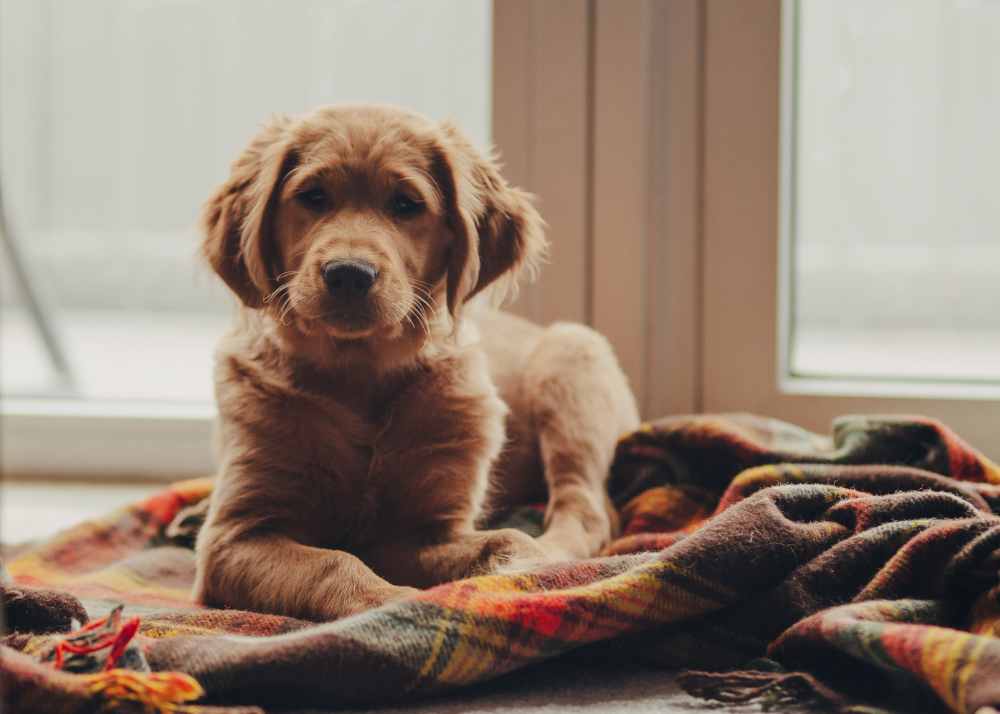
Teaching your puppy the Stay or Wait command requires your puppy to show restraint, a difficult skill to learn when they are full of excitement. This command also requires complete focus on you without distractions, so bring your patience! Your puppy should not move until you give the command to be released, often a “Free,” “Break,” or “Okay.” A great way to practice is to make your puppy Stay or Wait when presenting her food bowl, waiting for you to cross a threshold first, when opening a crate door, or when guests come over. This command is a safety precaution when in a busy place or if your puppy tries to dart out the door. Likewise, large puppies can knock over adults and children if not taught proper behaviors.
7. Drop it/Leave it
It’s inevitable your puppy will be drawn to the nastiest thing possible, and many puppies have a penchant for shoes, socks, or items that do not belong in a puppy’s mouth. Teaching your puppy to Drop it will protect their safety and might even save you hundreds of dollars in emergency vet bills! Teaching them to Leave it will hopefully prevent your puppy from picking up something in the first place. Begin by giving your puppy a toy in the Sit position. Offer a high-value treat so they focus on that rather than the toy, saying “Drop it.” Reward them when they do drop it. For “Leave it,” reward your puppy when they ignore an item when offered a treat. Increase the level of distraction with food, an exciting toy, or something else when practicing.
8. Introduce Come/Recall
Teaching your puppy to come when called can take months to master, so it’s important to begin as early as possible. Recall is so vital that it may even save their life one day when they dart out the door, luring them away from a dangerous situation like a busy road or dead wildlife. “Come” also prevents negative encounters with reactive dogs or scared children. Start by putting your puppy on a long leash. Call out your puppy’s name to get their attention and lure them to you with a tasty treat while saying, “Come!” Praise them when they scamper over to you. Increase the length of the leash and introduce distractions as your training progresses.
9. Walk on a leash – Heel
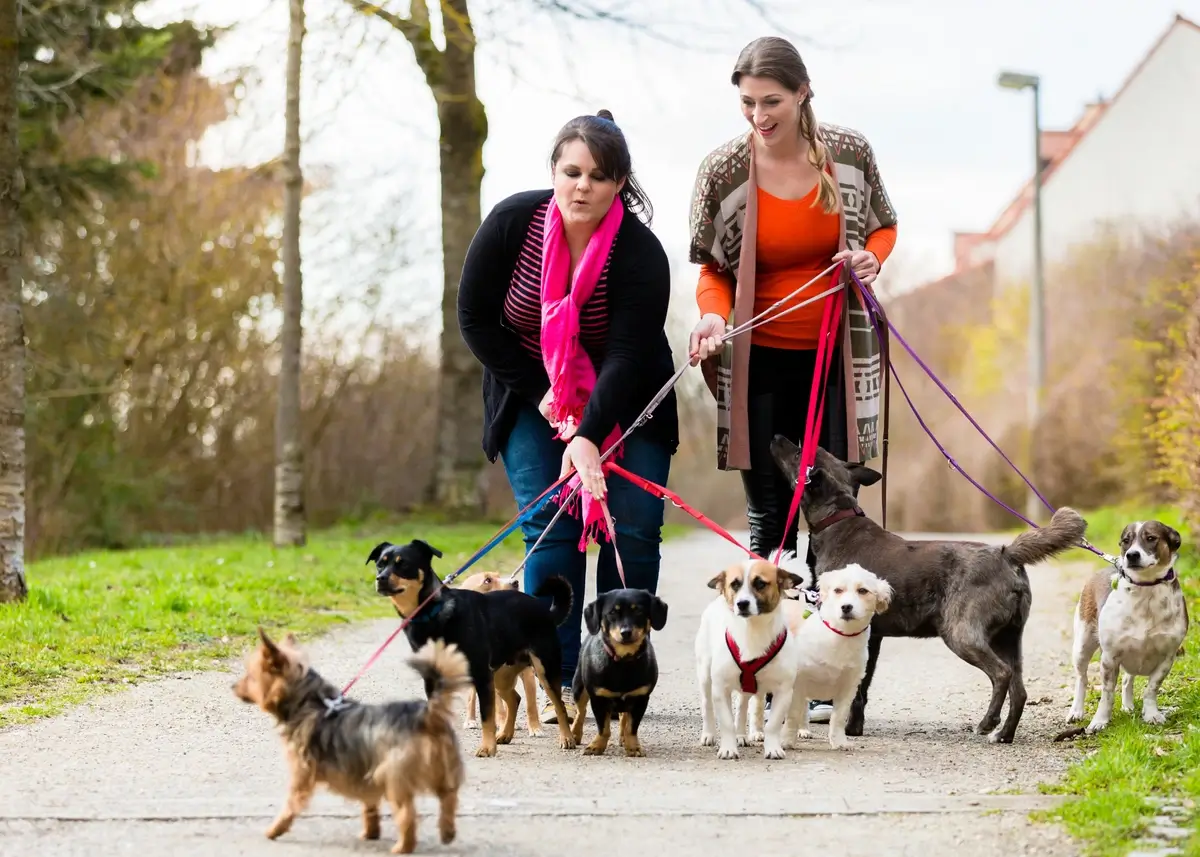
All puppies need lots of exercise, and training your puppy to walk on a leash will result in a pleasant experience when outside the home. First, show your puppy the leash or harness, let them sniff it, put it on and off, and then walk around the house with it on before you even go outside for a full walk. While outside, keep a treat in your hand near your pocket. Say “Heel” when you walk forward, rewarding the puppy when her attention is on you and they move by your side. Ask them to Sit and give them the treat. You’ll need to do this in short bursts, as puppies tend to wander and explore. Your puppy will learn to move when you do, an important skill to learn so they don’t pull on the leash or take off while dragging you along!
The First Week is the Sweetest With a Pawrade Puppy
You may be so excited to find a puppy, but where do you turn? Should you look at marketplace posts on social media? Call the number on the sign at the crossroads? There’s a better way.
When searching for a puppy to adopt, you want to ensure you’re getting your puppy from a reputable breeder. At Pawrade, we take all the laborious work out of finding a puppy for you thanks to our extensive network of trusted breeders. In order to join our program, they must pass a rigorous selection process, but not everyone makes the cut. We’re proud to have a fine team of breeders who put the health and well-being of their puppies first.
Pawrade also offers peace of mind thanks to our fraud-free pet adoption experience. All payments and correspondence go through a secure transaction management platform, PetPay.com. You’ll never be asked to pay with cash, gift cards, or through unsecured apps.
Another aspect you don’t have to worry about is wondering if our puppies are healthy. Each puppy has a health certificate, vaccination records, a 3-year comprehensive health guarantee, and 30 days of MetLife insurance. We want your puppy to start on the right paw in life!
Pawrade also takes care of all travel arrangements for you and offers a variety of convenient travel options to bring home your puppy. From a flight nanny to ground transportation to a local meetup, our travel options cater to everyone’s preferences.
When you adopt a puppy from Pawrade, you’re gaining more than just a wiggly puppy – you’re gaining a new best friend. Let us bring you a lifetime of smiles way beyond that first month home! Browse our puppies for sale to find the one that speaks to your heart.