
You’re at the end of your rope – literally. You’ve been playing tug of war with your puppy for a while, but their energy is not letting up! You’re covered in little puncture wounds and scratches. Your furniture legs and baseboards look like a tiny velociraptor got ahold of them. Simply put, you are worried you’re losing the battle against naughty puppy behavior and don’t know what to do.
Puppies never mean to do things to us out of spite. They’re just being puppies! They are curious with a mouth full of sore gums. When you pair these with massive amounts of boundless energy, you are exhausted trying to deal with unwanted puppy behavior. Some behaviors you can work with your puppy at home, and others require a professional dog trainer or animal behaviorist. While books have been written and programs developed to address these issues, here is an overview of ways to be proactive to avoid common dog behavioral problems you may encounter with your puppy.
What Are Common Puppy Behavioral Issues?
Nearly every puppy owner has experienced this list (and more) of undesirable puppy behaviors. Here are some you may encounter or unfortunately are living them right now:
- Biting
- Nipping
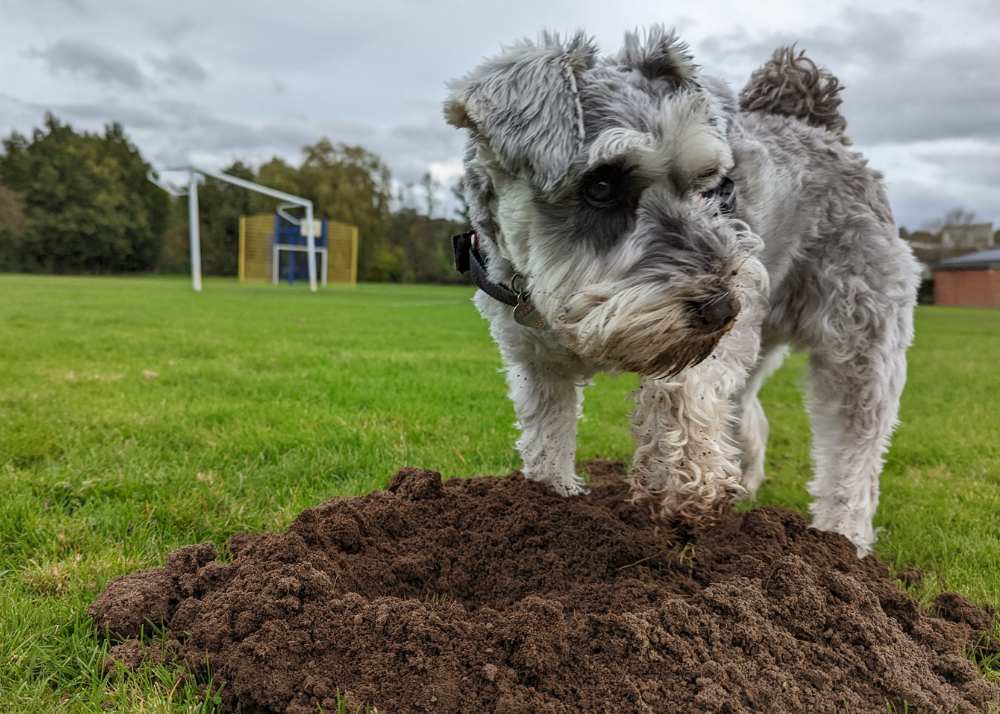
- Digging
- Begging
- Chewing
- Jumping up
- Ignoring you
- Counter surfing
- Potty Accidents
- Overexcitement
- Excessive barking
- Separation anxiety
- Resource guarding
- Pulling on the leash
- And many, many more
Understanding Breed-Specific Natural Behaviors
Before you adopt a puppy, you should research every aspect of owning this dog breed: The good, the bad, and the ugly to understand your dog’s needs and instincts. Common dog behavioral issues stem from not meeting your puppy’s instinctual nature, and it’s vital to learn about issues relevant to your breed to address the root of the problem.
For example, high-energy, intelligent dogs that need a “job” to do like Siberian Huskies or Mini Australian Shepherds will look for undesirable ways to entertain themselves if they don’t get enough mental stimulation and physical exercise. “Velcro breeds” that stick by your side like Cocker Spaniels or Italian Greyhounds may suffer more from separation anxiety, while independent breeds like Basset Hounds or Shiba Inus may have an easier time when you are away. Hunting dogs like Beagles or Rat Terriers are notorious for digging since it’s natural for them to search for small prey. Protective guard dogs prone to alert their owners to anything amiss like Mini Dachshunds or German Shepherds may channel that energy into excessive barking.

Be Proactive to Prevent Puppy Behavioral Issues
“An ounce of prevention is worth a pound of cure.” While we’re not sure if Benjamin Franklin ever raised a puppy, he certainly wrote these words of wisdom that can be applied to puppy rearing. Asking yourself these questions can change your behaviors before puppies have a chance to get into trouble will make a huge difference in controlling bad puppy behavior.
Is your puppy on a schedule?
Learning your puppy’s natural routine and cues will help you develop a daily puppy schedule catering to what your puppy needs. Regular feeding times will help you anticipate his potty needs to cut down on those indoor piles and puddles. Providing plenty of opportunities for mental and physical stimulation can help with behavior, as a tired puppy is a happy puppy. Knowing when they are overtired or overexcited can help you reinforce naps. Giving your puppy a secure place to get some puppy snoozes will help them get the right amount of sleep for their growing bodies. A puppy schedule is an excellent prediction tool to keep your puppy on track.
Are you setting up your puppy for success?
If your puppy hears “No” all day and that’s it, how does it know what you want them to do instead? Puppies look to you as the leader and will test your boundaries for what they can get away with. Make sure you teach them what positive behavior you would like them to do instead. If they are biting you, provide a toy with praise rather than pushing them away because they will think it’s a game. If you know you will be gone for a while, exercise your puppy beforehand to reduce separation anxiety and restless behavior.
Puppy-proofing your home and providing a secure area to explore will keep your puppy out of trouble. You can even keep them on a long, loose leash to prevent them from wandering. If they are allowed to roam freely, they can get into all sorts of shenanigans without you knowing, only to discover later. They’ll have unfettered access to anything on the floor, such as shoes or food they shouldn’t be eating. By taking away temptations and keeping a close eye on your puppy, you can avoid your puppies ruining your things due to your inability to supervise them in a safe, puppy-proofed environment.
Have you begun training your puppy?
If you haven’t yet, get started right away! Begin with these 9 puppy training commands to teach the first month home to form a solid foundation. Once your puppy is familiar with the basics, you can work on commands like “Wait,” “Drop it,” “Leave it,” and “Give.” You can also work on polite leash manners to control your puppy in public. Focus on positive reinforcement with high-value puppy training treats and give plenty of verbal praise. Harsh commands and techniques will create more problems and backfire in your training efforts, so keep it upbeat, fresh, and positive.
Have you socialized your puppy?
Socialization helps teach puppies how to remain calm or neutral in their surroundings despite distractions. Puppies that haven’t been exposed to much will have severe reactions to everyday situations, like running the dishwasher, barking at people walking by, or reacting to other dogs. Make sure you provide your puppy with a variety of sights, sounds, smells, and experiences with other dogs and humans to cut down on anxiety, fearfulness, and aggression.
Do you think outside the toy box?
Most puppies typically have a special place where their toys are kept, but thinking outside the toy box for creative ways to exercise your puppy will keep things exciting. Provide a variety of toys other than basic balls and stuffies to keep their brain sharp: Puzzles, treat dispensers, interactive toys that move and make sounds, interesting chew toys, etc. Rotate these toys to keep high interest rather than putting them all out at once. For physical exercise, let your puppy go on a scent walk, scavenger hunt, or playdate instead of a typical walk on a leash. For diggers, provide a dedicated dig box outside to avoid holes all over your yard. Keeping experiences on rotation helps engage your puppy so they will focus on what you want them to do rather than what not to do.
Puppy Parenting is No Problem through Pawrade
While you may encounter behavioral problems with your puppy as they are learning how to be a good dog, you’ll have no issues contacting Pawrade for help. We partner with a network of reputable breeders and handle all aspects of the process, so all you have to do is pick out one (or more)! of our puppies for sale. Our secure, scam-free transaction management system and variety of convenient travel options for puppies make the entire process go smoothly. You’ll have your puppy in your arms in no time!