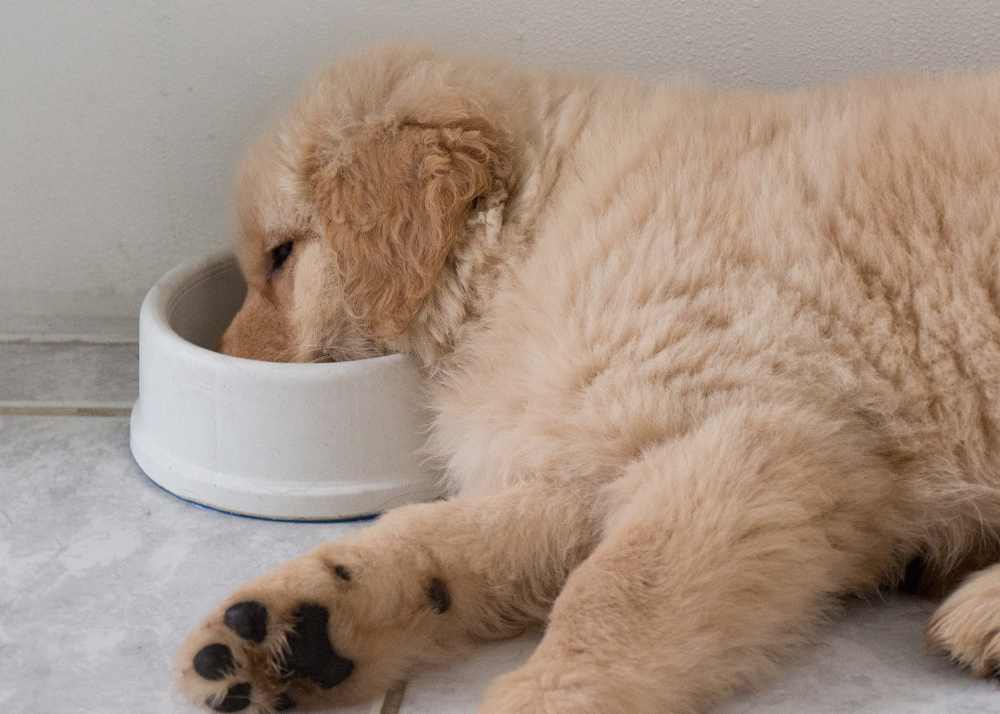
What’s cuter than a snoozing puppy twitching in its sleep, little tail thumping, dreaming of chasing balls? What exactly do puppies dream about, anyway?
If you’ve ever held a sleeping puppy in your arms, you won’t want to move a muscle and will savor the sweet moment. As you watch her belly rise and fall, you may have lots of questions regarding puppy sleep. Why do dogs sleep so much? Is my puppy getting enough or too much sleep? Should I wake her up to eat? Does a puppy sleep as much as a senior dog? How can I get my puppy to sleep through the night? You’ve also seen how your puppy acts when she is overtired acting like a toddler with 4 legs, and you want tips on how to get her to settle. How can something so cute become a little terror when she is exhausted?
Getting enough sleep is vital for puppies’ growth and development. Learn about how much sleep a puppy needs and how to get your puppy to sleep through the night.
How Much Sleep Does a Puppy Need?
Understanding how much puppies sleep can be beneficial as you prepare for your new puppy. Knowing what to expect and how to meet your puppy’s sleep needs will help your puppy transition to her new home and easily fall in step with your family’s routine.
Young puppies 8-12 weeks old typically sleep anywhere from 18-20 hours a day in a 24-hour period, which may surprise you if all you recall is how the zoomies seem to never end! The remaining time is spent playing, eating, training, exercising, and learning how to be a good boy or girl. Puppies usually go home to live with their families after 8 weeks of age, so new puppy owners will be living a life similar to one with a human newborn for around two months.
Owners can be exhausted due to lack of sleep, but it does get better around the 16-week mark when puppies typically begin sleeping through the night. According to a 2020 study examining the sleep habits of 16-week-old puppies compared to 12-month-old dogs, the 16-week-old puppies slept an average of 7 hours through the night taking many more naps than the adult dogs during the day.
Around months 4 and 5, puppies will then drop their sleeping time down to 13-15 hours a day, taking less frequent naps during the day and sleeping for longer stretches at night. By the one-year mark, dogs are sleeping 10-13 hours a day and used to their routine, so you hopefully will have a smoother time the older they get.
What happens when puppies sleep?
You may wonder, Why is sleep so important for puppies? How does her brain benefit from adequate sleep?
A new puppy takes in so many novel sights, sounds, and smells each day. Sleeping allows brain activity to flourish, making sense of new stimuli and helping memory consolidation. In addition to boosting the brain, sleeping helps muscles, joints, organs, and other body systems a chance to rest and grow into a healthy dog.

Tips for Adequate Sleep For Puppies
Many puppy owners have questions about how to get puppies to sleep well. What’s the best environment to encourage healthy sleep habits in puppies? Should my puppy sleep in a crate, on a dog bed, or with me on the bed?
Several factors affect the quality of your puppy’s sleep:
-
Age: From puppies to senior dogs, each stage has different mental and physical needs that affect sleep quality.
-
Physical condition: Dogs with certain health conditions may have trouble sleeping. An upset stomach or itching can keep a puppy awake at night.
-
Breed: Dog breeds vary in size and energy levels which affect the amount of sleep they need. For example, larger breeds tend to sleep more than smaller breeds, and a working dog may need more time to replenish their energy stores.
-
Environment: Puppy owners can encourage good sleep habits by setting up a calming, soothing environment for their puppies to rest.
Create a daily puppy schedule
Anticipating when your puppy sleeps is easy when you create a daily routine with a puppy schedule. Note when your puppy naturally sleeps and for how long. Work this in with regular eating, bathroom, exercise/stimulation, and training times to make sure your puppy gets the recommended amount of sleep for her age. When young, naps may be in a puppy-proofed area or a crate, but as your puppy gets older, she may fall asleep on her own right where she stopped playing. She may also nap on her special dog bed. The important thing is your puppy gets the chance to get adequate sleep during the day. Make more of an effort at bedtime to create the same scenario every day of pottying one last time, dimming the lights, turning on soothing music, giving cuddles, and saying a gentle yet firm “Night Night!” You can make this routine special to show your puppy you love them as they drift off to sleep for the night.
Feeding
Make sure you are feeding your puppy high-quality dog food with a formula specifically for the age and weight of your growing puppy. Feed your puppy at set times, and take up her food and water bowl after dinner to help regulate her nighttime bathroom urges.
Meet exercise needs
It’s vital to provide enough mental stimulation and physical exercise to meet the unique activity needs of your dog. Otherwise, your dog could become anxious and have a harder time falling asleep or will be afraid to go to sleep, always on edge. Boredom can result in destructive behaviors while she’s supposed to be napping. A tired dog is a happy dog, so enforce a great sleep session as a respite from a hard play session.
Relaxing and unwinding for puppies
You can do several things to create a comfortable, peaceful sleep environment. Help your puppy relax and unwind by introducing these into your puppy’s sleep routine. Choose safe fragrances for puppies by utilizing lavender, chamomile, or rosemary which have calming properties that are non-toxic to dogs. Calming music has been shown to reduce stress and anxiety in dogs, making it easier to fall asleep. Consider using a white noise machine for dogs to zone out and sleep to reassuring, steady background noise that drowns out the hustle and bustle of the household.
Crate, dog bed, or your bed?
The ultimate goal is to find a comfortable sleep arrangement for your puppy without sacrificing safety. Puppy owners can choose the best fit for their family’s lifestyle with various puppy sleep locations to consider.
Crate training
Most dog behaviorists, trainers, and vets recommend crate training your puppy during the early months. The crate provides a safe, quiet spot to rest and sleep, creating a dark, den-like atmosphere. When crate training, make the crate an enticing place by using it as a feeding spot and giving plenty of treats and praise. Your puppy should associate her crate with positive feelings rather than showing anxiety or restless whining. For more comfort, consider leaving a blanket that smells like Mama or you, and use a warm snuggle puppy plush toy with a vibrating “heartbeat.”
Dog bed
Some puppy parents will prefer their puppy to learn to sleep on a dog bed. The dog bed can serve more as a place to sleep; it can be their special home base when you teach the command “Place.” When choosing a dog bed, consider a few factors to get the most bang for your buck. Consider the size of your puppy and how big she is anticipated to grow as an adult so you don’t have to keep sizing up every few months. Dog beds can range in design including stuffed plush circles, rectangles with memory foam, and raised beds of woven nylon material. If you choose to use a dog bed, make sure your puppy is left in a puppy-proofed safe space and is trained not to destroy items while unsupervised.
Bed buddy
If you love the idea of your puppy snuggling with you each night, you’re not alone. The American Academy of Sleep Medicine surveyed pet owners reporting that half (46%) of respondents sleep in the same bed with a pet. However, consider safety parameters to implement for a safe night’s sleep.
-
Rugs and carpets give a better grip for nails getting on and off the bed.
-
Be careful with extra small breeds getting lost in the sheets.
-
Make sure your bed is big enough so everyone has plenty of room for a restful night.
-
Consider using pet stairs to reduce the risk of falling and joint issues.
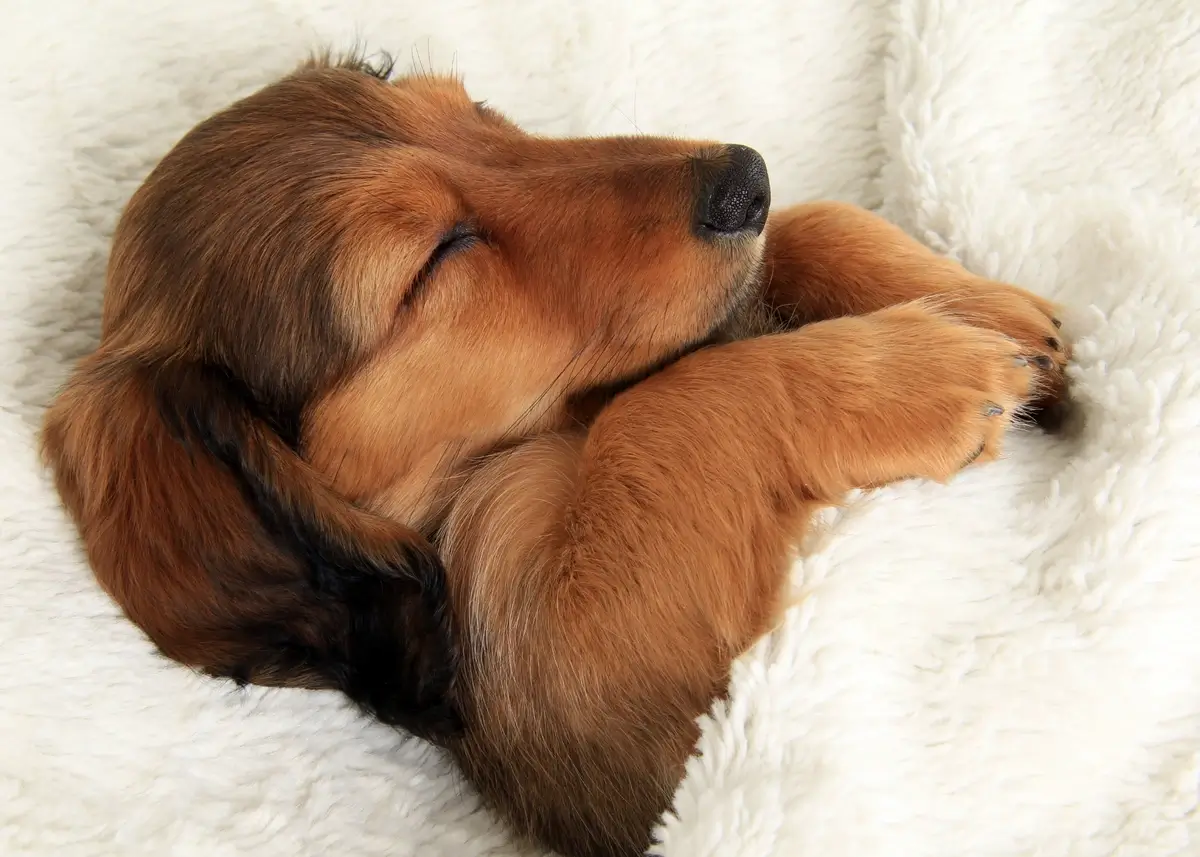
When To See The Vet About Your Puppy’s Sleep
It’s always good to have a general idea of what your puppy’s regular sleep habits look like. Consider keeping a log to note their natural naptimes which will come in handy if you notice any changes to their sleep routine.
Here are reasons to call the vet about your puppy’s sleep:
-
Lethargic upon wakening
-
Trouble getting in and out of bed/standing up
-
Change in appetite
-
Unexplained weight gain or loss
-
Skin conditions that cause discomfort
-
Soiling themselves beyond a regular potty accident
A Note About Patience
A puppy is just a baby, even if he weighs 50 pounds by his fifth month! When we get frustrated, it’s hard to think they’ve only been on this earth for a few months. You may be moved to tears because of your puppy’s sleep problems. If this is the case, first, take a deep breath. It gets better! Next, look at your current practices and bedtime routine to see how to troubleshoot some areas. Does your puppy need more positive experiences with her crate? Is she getting enough exercise? Lastly, contact your vet or a dog behavioralist if you feel you need extra guidance getting your puppy enough Zzzs. Never yell at or hit your puppy out of anger because she is having trouble sleeping! Harsh methods will backfire on you and cause your puppy to fear you rather than get them to do what you want with cruel and negative reinforcement.
Don’t Sleep on Adopting a Pawrade Puppy
If you’ve been searching for a puppy to adopt, you’ve probably encountered dead ends and puppy scams where it just seems too good to be true. Finding a puppy on your own can quickly turn into a nightmare. You may be tempted to give up, but your dream of being a puppy owner is attainable thanks to Pawrade.
Our Puppy Concierge team connects you to a reputable breeder of the puppy of your dreams. We work together to create a seamless, secure puppy adoption experience to bring the love of a puppy into your life. Browse our puppies for sale and let us know how we can make your dream of owning a puppy a reality!