Labrador Retriever
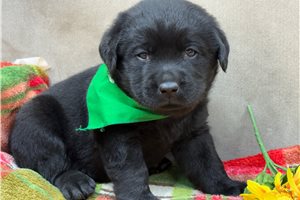
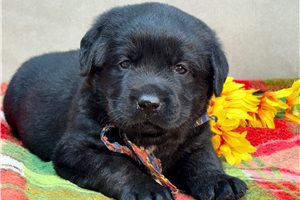
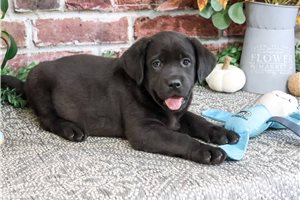
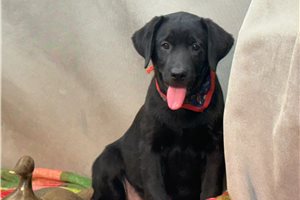
Labrador Retriever Puppies for Sale
Also called Lab and Labrador
A Labrador Retriever greets nearly everyone as a friend, often with something carried proudly in its mouth. People fall for the kind, friendly eyes, the thick 'otter' tail and a nature that is eager to please.
A Labrador Retriever greets nearly everyone as a friend, often with something carried proudly in its mouth. People fall for the kind, friendly eyes, the thick...A Labrador Retriever greets nearly everyone as a friend, often with something carried proudly in its mouth. People fall for the kind, friendly eyes, the thick 'otter' tail and a nature that is eager to please.
Puppy first, every step of the way.
Available Labrador Retriever Puppies
 From our Labrador Retriever breeders
Health Guarantee
The health of your new puppy is our primary concern. Every puppy comes with a health guarantee for a happy, healthy start to life.
Learn About Our Health Guarantee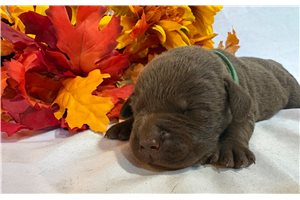
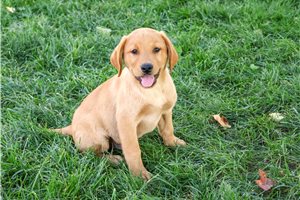


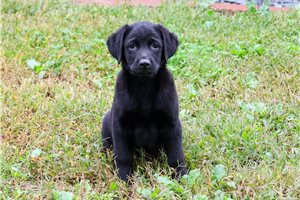
The communication from pawrade was excellent. Answered our questions within a few hours. Very thorough with steps before and after receiving our puppy. Would recommend.
Happier Puppies.
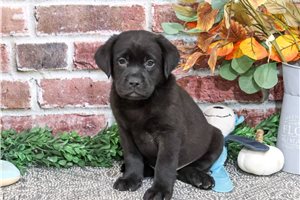
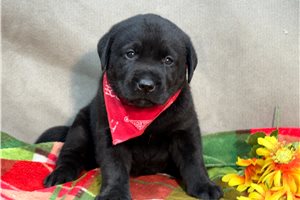
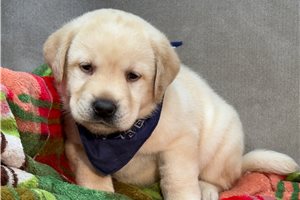
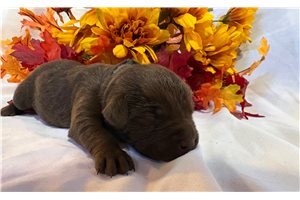
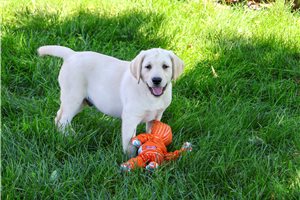
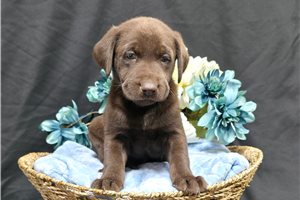
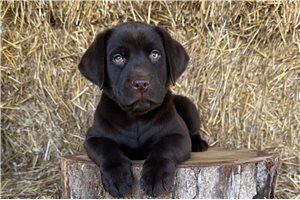
Pawrade helps coordinate safe travel from breeders nationwide, after a licensed-vet exam and with a health certificate for every state line.
Browse by Lifestyle
Find the breed that fits the life you're living.


Discover what real customers have to say about Pawrade! Check out our glowing testimonials.
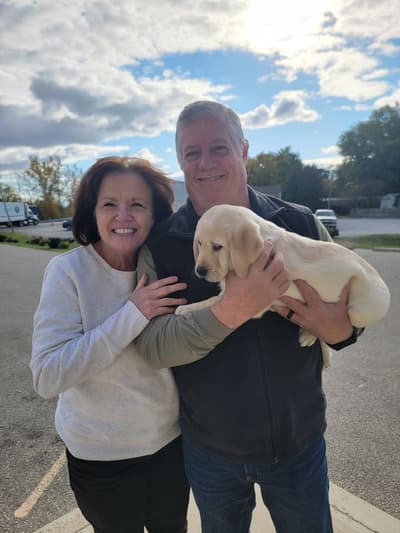 Leon · Labrador Retriever
“The communication from pawrade was excellent. Answered our questions within a few hours. Very thorough with steps before and after receiving our puppy. Would recommend.”
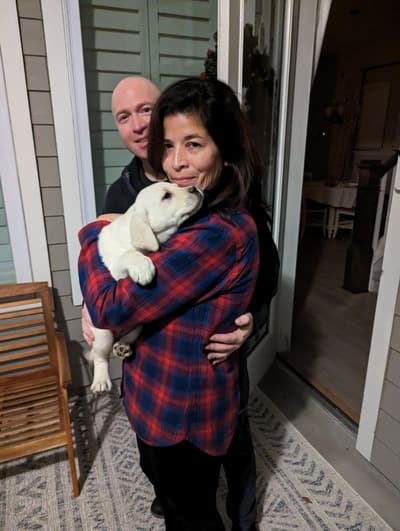 Ava · Labrador Retriever
“Courteous, profesional customer service, who maintained in constant communication with me through out the process. Ava is a healthy, lovely puppy. We are so happy to have her join our family. ”
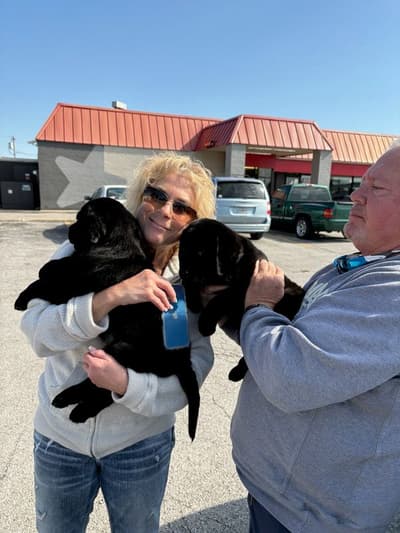 Davis · Labrador Retriever
“We had an amazing experience throughout the entire process of purchasing our two pups! I strongly recommend Pawrade!”
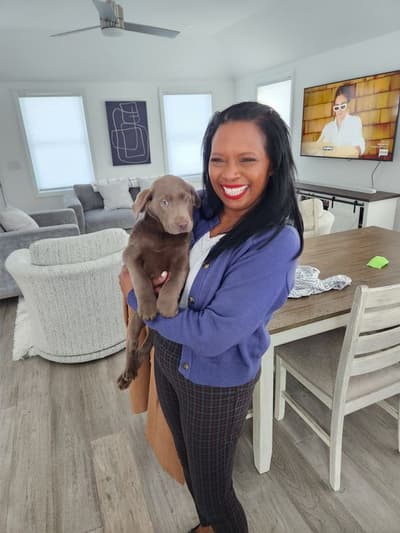 Mariah · Labrador Retriever
“The process was smooth and easy, I felt confident in Pawrade. I will be spreading your name for sure! We love our new puppy.”
A real company, on the record, since 2003.
Puppy scams cost U.S. families millions every year. Here's how you know Pawrade isn't one: we're a named, audited business with a public track record you can check anywhere.
Pet Media, Inc. — Inc. audits three years of revenue to rank the list. Scam sites don't make it.
From verified buyers. We can reply, we can't delete.
*NH, NY, RI, SC and TN excluded
1 month of MetLife pet insurance included with every puppy.
A Safer, Happier Way to Find Your Puppy
We take the guesswork out of finding a reputable breeder so you can focus on what matters most — welcoming a healthy, happy puppy into your family.
No Puppy Mill
Pledge
We have zero tolerance toward puppy mills and partner only with honest, reputable breeders who raise puppies with love and compassion.
Learn More
Health
Guarantee
Every puppy is backed by our comprehensive health guarantee because a happy, healthy puppy leads to a lifetime of tail wags.
Learn More
Fight Puppy
Scams
Browse with confidence knowing every breeder is screened, every payment is secured through PetPay and every transaction is manually reviewed.
Learn MoreLabrador Retriever at a glance
Parents' weight
65–100 lb fathers 50–85 lb mothers Pawrade data: parents of puppies placed through Pawrade (breeder-reported) 1,397 records, 2020-02 to 2026-08
Labrador Retriever Characteristics
Labrador Retriever temperament
Personality and daily life
Labs come from the St. John's water dogs of Newfoundland, which hauled nets and retrieved for fishermen, and that working past still shows. Expect a kindly, outgoing dog that is eager to please and friendly with other dogs.
Labs are patient and playful with children. A young Lab can be boisterous, so it may suit a family with older children best. They are alert but friendly toward strangers, so they make poor guard dogs.
Labs have a strong urge to retrieve and carry, and without training they will pick up and sometimes destroy household items. They are also food-motivated and will raid counters and trash, so secure both and measure meals.
Is a Labrador Retriever right for you?
Who a Lab suits best
- you want a friendly, outgoing dog that gets along with people and other dogs
- you can give it vigorous exercise every day, such as a long, brisk walk plus retrieving or swimming
- you enjoy training and will keep it fun and reward-based
- you have children and will supervise play with a boisterous youngster
- you would like a partner for the field, the water or dog sports
Among Pawrade Labrador Retriever buyers, most have a yard, about a third have children at home and about a third already have a dog.
- an active household that enjoys getting out every day
- an owner who doesn't mind dog hair, because a Lab sheds all year
- a family that wants a friend, not a guard dog
- a daily outlet for its drive to retrieve, especially in a field-bred Lab
Labrador Retriever breeders & placements
Labrador Retrievers on Pawrade
Pawrade data: parents of puppies placed through Pawrade (breeder-reported). Placements and reviews come from Pawrade's records.
“Kainani is super sweet and the folks who transported her were awesome! We are all very happy here.”
Amy M. · Cave Creek, AZ · 2026-09-23 Verified“I am very happy with the whole process of getting my puppy. You guys were easy to work with and answered any questions I had. The transport company was great with providing updates and pictures during transport.”
Terry B. · Fairlawn, OH · 2026-09-16 Verified“Everyone was on top of every aspect of this process. My questions were answered promptly and fully. Marley is a joy. Brought life back into the house and my senior dog.”
Greta D. · Runnells, IA · 2026-09-08 VerifiedLabrador Retriever care & grooming
Care and training
The routine
| Coat and grooming careWeekly | Brush weekly and more often while it sheds. |
|---|---|
| Bath timeas needed | Bathe rarely. |
| Nail trimsas needed | Keep up with nail trims. |
| Teeth and gumsas needed | Keep up with tooth care. |
Coat and shedding
The coat is short, straight and very dense over a soft, weather-resistant undercoat. It sheds moderately to heavily all year round, and most in season.
Training
Labs learn best with rewards such as food or a retrieve, in sessions kept fun and varied. They are strong dogs that tend to pull, so teach loose-leash walking early. Working-line Labs need an outlet for their drive to work and retrieve, such as AKC retriever field trials and hunting tests.
Keeping them safe
- Heat safety: The coat copes well with cold, but heat tolerance is only moderate, so exercise in the cooler hours on hot days.
Staying ahead of things
- Ear trouble · Routine vet checks: Ear infections are more common in Labs, so ask about the ears at routine vet checks.
- Joints and movement · Go easy while growing: While the joints are still growing, skip jogging and forced running, and tell your vet about any limping.
- Joints and movement · Know when to call: Sudden limping on a back leg can mean a torn knee ligament, so see your vet promptly.
- Body weight · Keep them lean and cool: Measure meals and keep your Lab lean for life.
Labrador Retriever puppy milestones
Growing up: your Lab's first years
Before your puppy comes home
Your puppy is still with its mother and littermates, and most Lab breeders on Pawrade are getting their litters used to young children and larger dogs.
- Lab-proof the kitchen before pickup day, because a food-motivated Lab puppy will raid counters and trash.
- Put shoes, socks, toys and anything else chewable out of reach, since Labs love to pick things up and carry them.
- Set up the crate or puppy pen in a room where the family spends time, or in your bedroom at night.
- Stock up on a large-breed puppy food, so your puppy grows at a steady, moderate pace.
Why it matters: A secure kitchen and a crate near people help a curious Lab settle in without trouble.
Labrador Retriever note: Labs were bred to retrieve, so carrying things around is in their nature, not bad manners.
Show the later milestones Hide the later milestones
The first week home
House-training starts on the first day, and your puppy is learning where to go and when. A puppy can usually hold its bladder for about as many hours as its age in months, so trips outside come often.
- Take your puppy outside straight after it wakes, after naps and last thing at night, and go out with it.
- Reward your puppy with a small treat the moment it goes outdoors, because Labs are quick, food-motivated learners.
- Keep the crate close enough at night to hear a whimper when your puppy needs to go out.
- Book the first vet visit early, and bring the Veterinary Health Report and your puppy's vaccination and deworming records.
Why it matters: Frequent trips outside give your puppy plenty of chances to get it right, and a quick reward each time helps it learn fast.
Labrador Retriever note: A Lab will work hard for food, so keep treats tiny.
Weeks 2 to 4
Puppies are most open to new experiences in their first 3 months, so these weeks shape the adult your Lab becomes.
- Introduce new people, friendly dogs, new places and everyday things, a little at a time.
- Join a puppy class, which can start as early as 7–8 weeks with healthy classmates and clean floors, as your vet advises.
- Until the vaccine series is done, skip dog parks and other places where unknown dogs gather.
- Keep training sessions short and fun, and use food or a retrieve as the reward.
Why it matters: Calm, positive meetings now help new people, animals and places feel normal for life.
Labrador Retriever note: Labs are strong dogs that tend to pull, so good leash manners are far easier to teach while your puppy is small.
3 to 4 months
Most puppies finish their vaccine series at about 16 weeks, as your vet advises. Baby teeth start to fall out from about 12 weeks, so expect a busy, mouthy puppy.
- Once your vet says the vaccines are complete, widen your puppy's world with new places, surfaces and sounds.
- Keep walks short, at about 5 minutes for each month of age, and skip forced running and stairs for now.
- Feed measured meals of large-breed puppy food, and keep your puppy lean as it grows.
- Brush your puppy and trim the nails regularly, so grooming becomes a normal part of life.
Why it matters: Moderate, steady growth helps protect the hips and elbows, which can form poorly in the breed.
Labrador Retriever note: Short retrieving games are a great outlet now, because they put a Lab's natural drive to work.
4 to 6 months
Teething is in full swing, and by about 6 months the adult teeth are in. Chewing is strongest now, and a Lab's urge to carry things makes household items a target.
- Keep only a few safe chew toys out at a time and rotate them, and supervise chewing.
- Keep shoes, cords and other valued items out of reach until teething is over.
- Channel the retrieving urge into fetch and other retrieving games, so carrying has a proper outlet.
Why it matters: A safe outlet for chewing protects both your puppy and your belongings while the new teeth come in.
Labrador Retriever note: Labs are quick learners, so this is a good time to build on basic manners with short, fun sessions.
6 to 12 months
Adolescence has begun, and teenage dogs test boundaries and may seem to forget their training. This is also when signs of elbow or hip trouble, such as limping or a bunny-hop run, often first show.
- Keep training consistent and patient, with plenty of exercise for body and mind.
- Growth plates stay soft while a puppy grows, so agree an exercise plan with your vet and hold off jogging for the first year.
- Talk with your vet about when to spay or neuter, since in Labs the timing is linked to the risk of a torn knee ligament.
- Show your vet any limping, or a nose that turns dry and crusted.
Why it matters: The teenage phase is normal and it passes, and steady training now shapes the calm adult you want.
Labrador Retriever note: Switch to adult food around the first birthday, and keep your Lab lean as growth slows.
1 to 2 years
Most Labs reach adult size between 12 and 18 months, and the growth plates may not close until later. Dogs are usually fully grown and settled into adulthood at around 2 years.
- Build a daily adult routine of brisk walks and retrieving or swimming, and give a field-bred Lab more.
- Book a wellness exam with your vet at least once a year, the normal routine for an adult dog.
- Keep measuring meals, because most Labs stay food-motivated for life.
- Find a dog sport you both enjoy, such as dock diving, agility, tracking or hunt tests.
Why it matters: Staying lean protects a Lab's joints for years, and daily exercise keeps it settled at home.
Labrador Retriever note: If your Lab hasn't had a DNA test for exercise-induced collapse, skip intense, excited exercise in the heat and stop at the first wobble.
Adult and senior care continues, stage by stage, on the Labrador Retriever health page.
Labrador Retriever colors & size
Appearance
Show Hide
The Lab is a strong, compact working gun dog with a broad head, kind and friendly eyes and a thick, tapering 'otter' tail. Field-bred Labs are lighter built and more active than show-bred Labs. 'English' and 'American' are informal labels for these two types, not separate breeds.
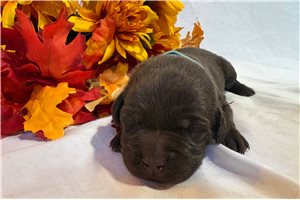
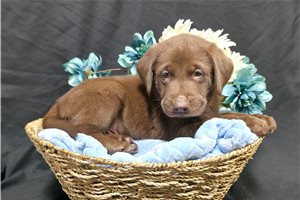
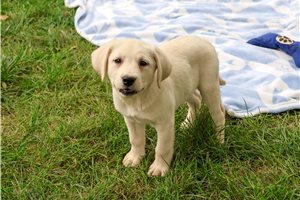
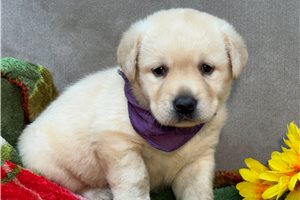
The AKC standard colors are black, yellow, from light cream to fox red, and chocolate, from light to dark. Fox red is a shade of yellow within the standard, not a separate color, and a small white spot on the chest is permitted. Dilute shades sold as silver, charcoal or champagne, brindle, and tan markings are outside the AKC breed standard. A nose that fades to a lighter shade, often with the seasons ('snow nose'), is allowed; a fully pink nose is not.
Colors listed by Pawrade breeders
Keeping your Lab healthy
Labs are known to be prone to some health conditions, and DNA tests or early checks cover many of them. A DNA result of 'at risk' means a higher chance of a condition, not a diagnosis, and a 'carrier' is healthy.
Labrador Retriever history
History and fun facts
Show Hide
The Lab descends from the St. John's water dog of Newfoundland, which worked alongside fishermen hauling nets and retrieving.
Despite its name, the breed comes from Newfoundland, not Labrador.
Dogs were taken to England in the early 1800s, where British sportsmen developed them into a gun dog.
The Earls of Malmesbury named them 'Labrador dogs' and kept early lines in England.
The Dukes of Buccleuch and the Earl of Home kept them in Scotland, and two Buccleuch dogs of the 1880s, Avon and Ned, are considered ancestors of the modern breed.
The name Labrador Retriever was in general use by the 1870s and 1880s, and chocolate and yellow Labs were first recorded in 1892 and 1899.
The St. John's dog itself declined under dog taxes in Newfoundland and British quarantine rules, and the last two known dogs were found in the late 1970s.
The AKC recognized the breed in 1917, and the Labrador Retriever Club, its AKC parent club, was incorporated in New York in 1931 by sportsmen led by Franklin B. Lord.
A black Lab, Blind of Arden, was the first dog on a Life magazine cover, in 1938, and won the first US championship retriever stake.
Sully, a Lab service dog from America's VetDogs, served George H.W. Bush and later helped rehabilitate veterans.
For all its popularity, no Labrador has won Best in Show at Westminster.
Labrador Retriever Veterinary Health Report
Your puppy's Veterinary Health Report
Before your Labrador Retriever puppy comes home, the breeder's licensed vet gives it a full hands-on exam to PetPay's exam standards, and the results go into its Veterinary Health Report.
The exam, a health certificate and a stool test for parasites all happen 3 to 5 days before your puppy leaves.
It is a check of your own puppy, not paperwork about its family, so you start with a clear record of how your puppy is doing.
If the vet finds something that could put your puppy at risk during travel, your puppy stays with the breeder until it's resolved.
Problems that can be treated before travel are treated by the breeder's licensed vet first.
Anything else the vet notes is shared with you.
A hard copy of the report travels with your puppy for your records, and a digital copy is in your PetPay account.
Puppies grow and change quickly, and their immune systems are still developing, so no exam can find everything. The Veterinary Health Report is a strong early look at your puppy and a written starting point that your own vet builds on.
- Heart
- Breathing
- Temperature, pulse and breathing rate
- Eyes
- Ears and hearing
- Mouth and bite
- Skin and coat
- Kneecaps
- Hips
- Hernias
- Soft spot on the skull
- Body condition and weight
- Reproductive organs
- History of vomiting or diarrhea
- Stool test for parasites
- Past surgery and notes
What the vet looks for in a Labrador Retriever
The vet listens to the heart for a murmur.
A heart valve defect present from birth, called tricuspid valve dysplasia, is the one to know about in Labs. A murmur is often followed up with a heart scan (echocardiogram).
With a penlight, the vet checks both eyes for signs of vision problems.
A cloudy lens (cataract) and eyelids that roll in or out are things to watch for as your puppy grows.
The vet checks that the teeth meet in a scissors bite.
The breed standard also calls for dark pigment on the nose and eye rims.
The vet weighs the puppy to see how well it is gaining weight.
Weakness or slow weight gain in a young Lab can point to an inherited muscle disease, centronuclear myopathy, which a DNA test identifies.
In a male puppy, the vet checks that both testicles are in place.
After your puppy comes home
- Your puppy's vaccination and deworming records are separate documents that travel with your puppy.
- Bring them, with the Veterinary Health Report, to your first visit so your vet starts from the same record.
- Before travel, every puppy follows PetPay's vaccination and deworming schedule as far as its age allows.
- Bordetella and corona are given at the vet's discretion, and no vaccine is given within 3 days of travel.
- Rabies is given by a licensed vet on the schedule your state requires.
- Your own vet completes the series.
- At your first visit, ask your own vet to listen to the heart and check your puppy's gait and strength.
- Plan a cheek-swab DNA panel with your vet during puppyhood.
- Hip and elbow X-rays come later in growth, at the ages your vet advises.
- Once your Lab is grown, regular eye checks help, and night blindness in an adult is worth showing your vet.
Labrador Retriever puppy health guarantee
Going home and the health guarantee
Puppies travel only once they are at least 8 weeks old and weigh at least 2 lb. Every puppy also comes with a health guarantee administered by PetPay, independent of the seller. The terms are on the health guarantee page.
Labrador Retriever puppy prices
Cost
A Labrador Retriever puppy's price reflects what goes into it: its pedigree and registration, its coat and color, and the breeder's program. Every Pawrade puppy's price also includes the pre-travel exam by the breeder's licensed vet, the Veterinary Health Report and a health guarantee administered by PetPay. See today's price range for Labrador Retriever puppies on Pawrade's Labrador Retriever listings.
- Pre-travel vet exam
- Veterinary Health Report
- PetPay-administered guarantee
- 1 month of MetLife pet insurance†
Breeds like the Labrador Retriever
Compare
Similar in size, but the Lab looks heavier and has a short coat instead of long feathering; both shed all year.
The Chessie has a wavy, oily coat, and both breeds can carry the gene change behind exercise-induced collapse.
The Labradoodle is a Lab × Poodle cross with no breed standard, so its coat varies by generation, while the Lab has a fixed standard and three colors.
Breeds related to the Labrador Retriever
Related breeds
More puppies like the Labrador Retriever
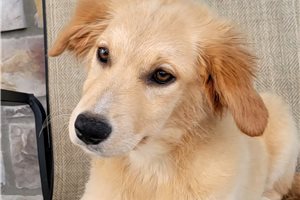
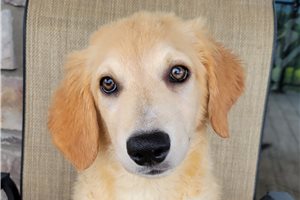
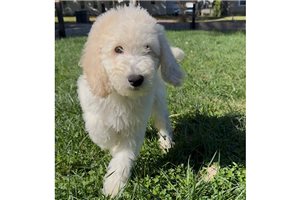
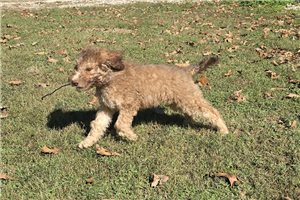
Frequently asked questions about Labrador Retriever puppies
Frequently asked questions
Adult Labrador Retrievers weigh 55–80 lb and stand 21.5–24.5 in at the shoulder. Under the AKC standard, males weigh 65–80 lb and stand 22.5–24.5 in, while females weigh 55–70 lb and stand 21.5–23.5 in.
Parents of Pawrade Labrador Retrievers typically weigh 65–100 lb (fathers) and 50–85 lb (mothers).
They are the same breed, because 'English' and 'American' are informal labels for show-bred and field-bred Labs, not separate breeds or standards. Field-bred Labs tend to be lighter built and more active, so they need more exercise.
The AKC standard allows three colors: black, yellow and chocolate. Yellow ranges from light cream to fox red, and fox red is a shade of yellow rather than a separate color.
They are dilute shades of chocolate, black and yellow, and they are outside the AKC breed standard. The dilute gene is recessive, so both parents must carry it.
A nose that fades to a lighter shade, often with the seasons ('snow nose'), is allowed under the breed standards. Yellow Labs that carry two copies of the chocolate gene have brown noses and paw pads.
Labs are kindly, outgoing and eager to please, and they are friendly with strangers and other dogs. They are patient and playful with children, and a young Lab can be boisterous.
Labs are a high-energy breed that needs at least one long, brisk walk a day plus retrieving, swimming or training games. A well-exercised Lab can be a calm housedog, and field-bred Labs are usually the more active type.
Not really, because Labs are alert but friendly toward strangers, and their guarding instinct is weak.
Labs have a strong urge to retrieve and carry objects. Without training, a Lab will pick up and sometimes destroy household items, so channel the urge into fetch and retrieving games.
Labs are patient and playful with children. A young Lab can be boisterous, so supervise play with small children. Among Pawrade Labrador Retriever buyers, about a third have children at home.
Labs are generally friendly with other dogs and non-aggressive. Most Lab litters on Pawrade meet larger dogs before going home, and about a third of Pawrade Lab buyers already have a dog.
Labs love retrieving and swimming, and an adult Lab makes an energetic outdoor companion. Hold off jogging for the first year, and go out in the cooler hours on hot days. If your Lab is at risk for exercise-induced collapse (EIC), or untested, avoid intense, excited exercise in the heat.
A Lab can manage if it is well exercised, because a Lab that gets enough activity can be a calm housedog. Labs suit active households best, and most Pawrade Lab buyers have a yard.
An adult Lab needs at least one long, brisk walk a day, plus retrieving, swimming or training games. Field-bred Labs need more, and a well-exercised Lab is a calmer housedog.
A puppy needs far less than an adult: about 5 minutes per month of age, with no forced running or stairs in the early months. Build up to longer walks gradually, and hold off jogging until after the first year.
Labs handle cold well and heat only moderately. The dense, weather-resistant coat helps in the cold, and on hot days it is best to exercise in the cooler hours.
Labs shed moderately to heavily, all year round and most in season. They are not hypoallergenic, and no dog is truly hypoallergenic. A short coat does not mean little shedding.
A Lab needs little grooming. Brush weekly, more often during shedding season, and bathe only occasionally. Add regular nail trims, tooth care and ear checks.
The coat is short, straight and very dense, over a soft, weather-resistant undercoat. A slight wave down the back is allowed.
Labs are eager to please, and they learn well with food or a retrieve as the reward. Keep sessions fun and varied.
A common rule of thumb is that a puppy can hold its bladder for about as many hours as its age in months. A 3-month-old, for example, can usually wait about 3 hours. The rule works up to about 9 months to 1 year, and every puppy is different. Take your puppy out first thing in the morning, after naps and last thing at night. Keep the crate close enough at night to hear a whimper.
Start on the first day with frequent trips outside, especially right after waking, and reward your puppy each time it goes outdoors. Labs are quick, food-motivated learners, so food rewards work well.
Use a crate or puppy pen for naps, nights and whenever no adult can supervise, and keep it where the family spends time. Breeders on Pawrade report whether they have started crate training, so ask how far your puppy has got.
Teach loose-leash walking early, because Labs are strong dogs that tend to pull. Reward-based sessions kept fun and varied work best.
Your Lab is most likely in adolescence, a normal phase when dogs test boundaries and may seem to forget their training. Adolescence runs from about 6–8 months to about 2 years. Keep training consistent and patient, with plenty of physical and mental exercise. Labs learn best with food or a retrieve as the reward, in short sessions kept fun and varied.
The Lab was developed as a gun dog, and it competes in AKC retriever field trials and hunting tests. Working-line Labs need regular outlets for their drive to work and retrieve.
Labs compete in AKC obedience, rally, agility, tracking and dock diving, and in scent work at the parent club's national specialty.
Labs work as service dogs, and the breed is known for being eager to please. Sully, a Lab service dog from America's VetDogs, served George H.W. Bush and later helped veterans. Guide dog programs also use Lab and Golden Retriever crosses.
Puppies travel only once they are at least 8 weeks old and weigh at least 2 lb. Most Labrador Retriever puppies go home at about 10 weeks, usually between 9 and 16 weeks.
Labrador Retriever breeders on Pawrade report a typical litter of 7 puppies, usually between 4 and 10.
Most Labrador Retriever litters on Pawrade meet young children and larger dogs before the puppies go home. Breeders report socializing 90% of litters with young children and 94% with large-breed dogs. They also report getting litters used to loud music or TV (67%), pots and pans (63%) and car rides (57%). These figures come from what breeders reported for 483 litters.
Secure food, counters and trash, and put shoes, socks and toys out of reach, because a Lab puppy will raid and carry almost anything. Set up a crate or puppy pen in a room where the family spends time, and stock a large-breed puppy food. Book a first vet visit that covers the heart and how your puppy walks.
Start right away, because the first 3 months are the most important time for socialization. Puppy classes can begin as early as 7–8 weeks, with healthy classmates and clean floors, as your vet advises. Introduce people, friendly dogs, places and everyday things a little at a time.
Most puppies finish teething by about 6 months, when the adult teeth are in. Baby teeth start to fall out from about 12 weeks, and chewing is strongest in between. Offer a few safe chew toys at a time and rotate them, supervise chewing, and keep shoes and socks out of reach.
Most puppies finish their core vaccine series at about 16 weeks, as your vet advises. Until your vet says the series is complete, skip dog parks and other places where unknown dogs gather. A puppy class with healthy classmates and clean floors is fine before then.
Most Labs reach adult size between 12 and 18 months, and the growth plates may not close until 18 months or later. Dogs are usually fully grown and settled into adulthood at around 2 years.
Feed a large-breed puppy food, so growth stays moderate. Measure every meal and keep treats small, because Labs are food-motivated and gain weight easily. You can ask what your puppy is eating now before it comes home.
The Veterinary Health Report is the record of your Labrador Retriever puppy's exam before it goes home. The breeder's licensed vet gives the puppy itself a full hands-on exam to PetPay's exam standards and writes down what they find. It gives you and your own vet a clear starting point for your puppy's care.
The breeder's licensed veterinarian examines every puppy before it goes home, to PetPay's exam standards. The results are recorded in the puppy's Veterinary Health Report, and a copy travels with your puppy for your records.
The breeder's licensed vet examines the whole puppy and pays close attention to a few things that matter in Labs. The vet listens to the heart, since some Labs are born with a valve defect called tricuspid valve dysplasia. The vet also checks weight gain, the eyes, the bite and, in males, the testicles.
Before travel, every puppy follows PetPay's vaccination and deworming schedule as far as its age allows: deworming at 2, 4, 6, 8, 10 and 12 weeks, and the distemper, parvo, adenovirus and parainfluenza combination shot at 6–8, 9–11 and 12–14 weeks. Bordetella and corona are given at the vet's discretion, and no vaccine is given within 3 days of travel. Rabies is given by a licensed vet on the schedule your state requires. Your own vet completes the series. Your puppy's vaccination and deworming records are separate documents that travel with your puppy. Bring them, with the Veterinary Health Report, to your first visit so your vet starts from the same record.
If the vet finds something that could put your puppy at risk during travel, your puppy stays with the breeder until it's resolved. Problems that can be treated before travel are treated by the breeder's licensed vet first. Anything else the vet notes is shared with you.
Puppies grow and change quickly, and their immune systems are still developing, so no single exam can find everything. Hips and elbows, for example, are X-rayed later in growth. The report is a strong early look at your puppy, and your own vet builds on it at every checkup.
Every puppy comes with a health guarantee administered by PetPay, independent of the seller. The terms are on the health guarantee page.
Labrador Retriever buyers rate their Pawrade experience 4.7 out of 5 on average, from 491 reviews, and about 84% of those reviews give 5 stars.
Right now, most Labrador Retriever puppies on Pawrade are listed within the typical range shown on Pawrade's Labrador Retriever listings. Each breeder on Pawrade sets their own price, and each puppy's listing shows it. A Labrador Retriever puppy's price reflects what goes into it: its pedigree and registration, its coat and color, and the breeder's program. Every Pawrade puppy's price also includes the pre-travel exam by the breeder's licensed vet, the Veterinary Health Report and a health guarantee administered by PetPay.
More ways to search
Popular Labrador Retriever searches
Other namesWhere families find Labrador Retriever puppies
Most Popular Labrador Retriever Cities
Labrador Retriever puppies by state